 Save
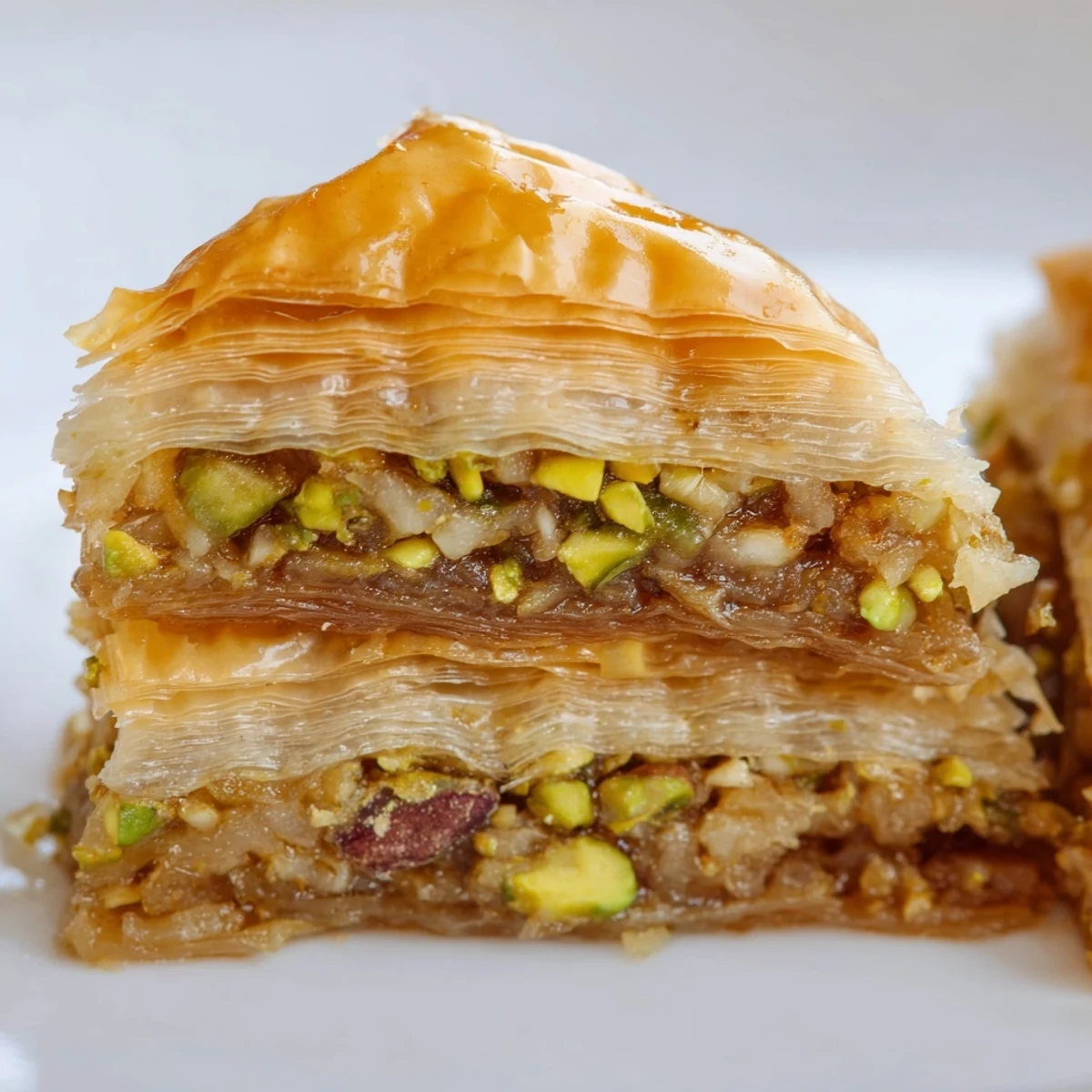
Save This traditional Balkan dessert combines delicate phyllo dough sheets with a generous filling of finely chopped walnuts, almonds, and pistachios seasoned with warming cinnamon and cloves. Each layer gets brushed with melted butter before baking to golden perfection.
Once out of the oven, hot syrup made from sugar, honey, and fragrant rose water is poured over the crispy layers, creating that signature sweet and sticky texture. The pastry needs time to cool completely, allowing the syrup to fully absorb into every nut-filled crevice.
Best enjoyed the next day with strong Bosnian coffee or black tea, this impressive dessert yields 20 pieces and keeps well in an airtight container for up to a week.
The first time I attempted Bosnian baklava, I was visiting my friend Amela in Sarajevo during winter. Her grandmother worked beside me, her weathered hands moving with practiced grace while I fumbled with tissue-thin phyllo sheets that kept tearing. That afternoon taught me that baklava rewards patience far more than precision, and that the perfect diamond cut matters less than the love poured into each buttered layer.
Last Eid, I made three trays of this baklava for our neighborhood gathering. Watching neighbors from different backgrounds bond over something as simple as phyllo and nuts reminded me why food has always been the universal language. Someone asked for the recipe, and I realized I had finally absorbed Amela grandmother's wisdom without even trying.
Ingredients
- 500 g phyllo dough (about 20–24 sheets): Thaw frozen phyllo completely in the refrigerator overnight, and keep it covered with a damp towel while working to prevent drying and cracking
- 250 g walnuts: Finely chop these by hand for varied texture or pulse briefly in a food processor, but avoid grinding them into a paste
- 100 g almonds: These add a subtle sweetness that balances the earthy walnuts, and blanched almonds create a more delicate crunch
- 100 g pistachios (optional): If you can find them, they add beautiful color pockets throughout the layers and a slightly floral note
- 100 g sugar: This sweetens the nut filling directly, creating little pockets of caramelized goodness within the layers
- 1 tsp ground cinnamon: Warm spice that bridges the gap between the rich nuts and fragrant syrup
- 1/4 tsp ground cloves (optional): Just a hint adds this incredible depth that people notice but cannot quite place
- 250 g unsalted butter: Melt this completely and clarify it if you have time, as milk solids can sometimes cause uneven browning
- 400 g sugar for syrup: This quantity creates the traditional sweet finish without overwhelming the delicate phyllo layers
- 250 ml water: Creates the right syrup consistency, not too thick and not too thin
- 100 ml honey: Adds floral notes and helps the syrup achieve that perfect glossy finish
- 1/2 lemon, juiced: The acid cuts through the intense sweetness and adds brightness
- 1 tbsp rose water or orange blossom water: This is what gives Bosnian baklava its distinctive aromatic signature
Instructions
- Prepare your workspace and oven:
- Preheat to 180°C (350°F) and generously butter a 23x33 cm pan, paying special attention to the corners where phyllo tends to stick and tear
- Mix the nut filling:
- Combine walnuts, almonds, pistachios, sugar, cinnamon, and cloves in a large bowl, then run your fingers through to break up any clumps and distribute spices evenly
- Build the buttery foundation:
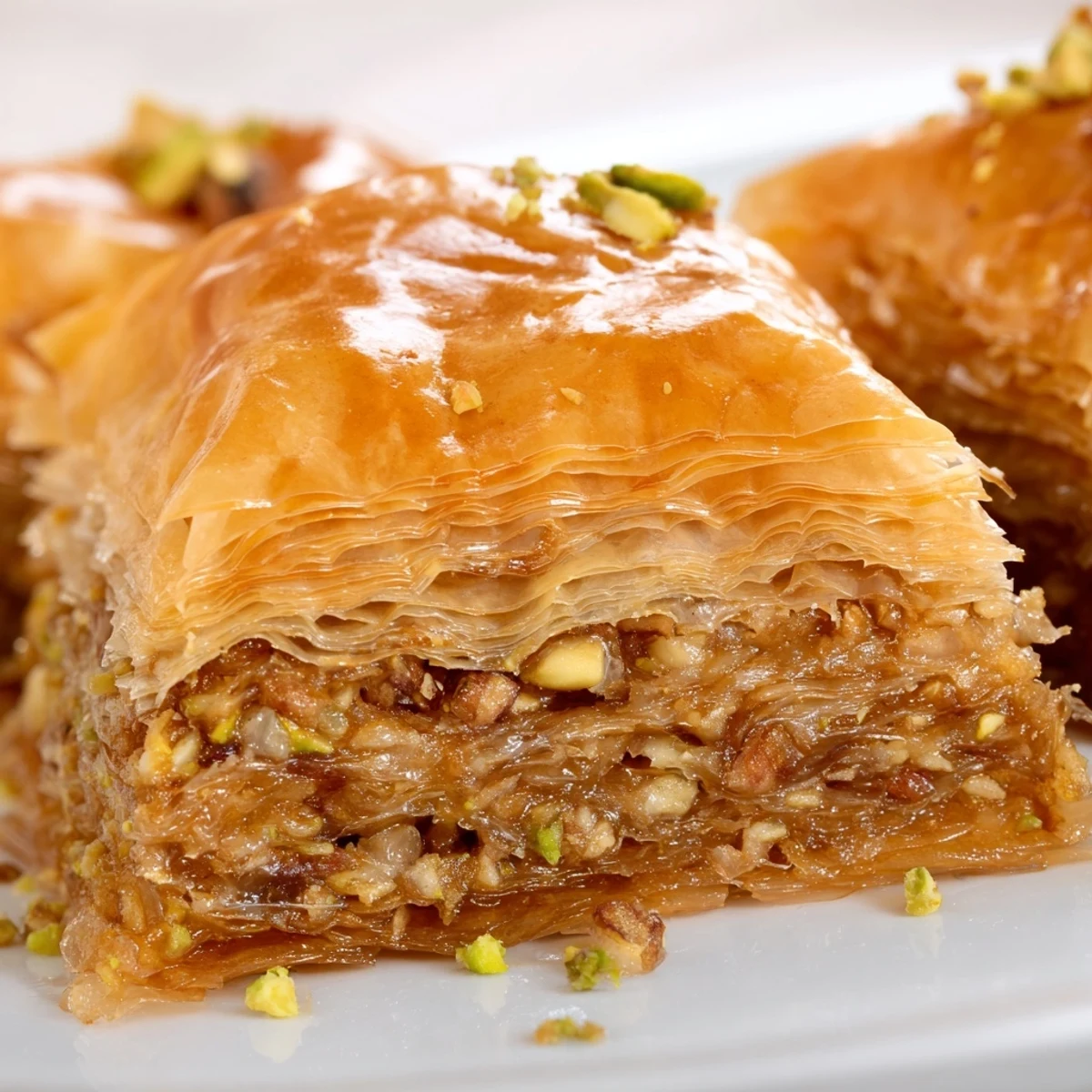
- Lay your first phyllo sheet in the pan, brush lightly with melted butter, and repeat until you have 6 to 8 sheets stacked, handling them gently but confidently
- Add first nut layer:
- Sprinkle exactly one third of your nut mixture across the phyllo, spreading it with your hands to reach the edges while keeping the layer relatively even
- Continue the layers:
- Add 4 to 5 more buttered phyllo sheets, then another third of nuts, repeating until all the filling is used and ending with a final stack of phyllo sheets on top
- Cut before baking:
- Use your sharpest knife to cut diamonds or squares, cutting all the way through to the bottom, which helps the syrup penetrate every layer later
- Bake to golden perfection:
- Bake for 35 to 40 minutes until the top turns this beautiful deep gold and you can smell the nuts toasting throughout your kitchen
- Prepare the fragrant syrup:
- While baklava bakes, combine sugar, water, and lemon juice in a saucepan and boil for 8 to 10 minutes, then remove from heat and stir in honey and rose water
- The essential syrup soak:
- Pour the hot syrup slowly over the hot baklava the moment it comes out of the oven, watching it disappear into the layers like magic
- Practice patience:
- Let the baklava cool completely at room temperature, giving the syrup several hours to fully absorb before cutting and serving
 Save
Save My sister called me at midnight once, just to say that the baklava I had made for her birthday the previous day was somehow even better after resting in the fridge. Those caramelized notes had deepened overnight, and she ended up eating two pieces standing in her kitchen in her pajamas. That is exactly the kind of food memory worth creating.
Working With Phyllo Dough
I used to panic whenever phyllo sheets tore, until I learned that nobody notices once the baklava is baked and soaked with syrup. Keep your workspace clear, cover the unused phyllo with a slightly damp towel, and work with gentle but steady movements. A few tears here and there will not ruin your baklava, but letting the sheets dry out completely will.
The Syrup Timing Secret
This is the detail that separates decent baklava from extraordinary baklava, and it comes from watching generations of Balkan bakers. The syrup must be hot and the baklava must be hot when they meet, creating this beautiful symphony of absorption that keeps each layer distinct yet perfectly bonded. I start the syrup about fifteen minutes before the baklava finishes baking, which gives me perfect timing every single time.
Serving And Storage Wisdom
Baklava actually improves after a day or two, as the syrup has time to work its way through every single layer and the flavors meld together beautifully. Serve it at room temperature, never chilled, alongside strong black coffee or traditional Bosnian coffee for the most authentic experience. The contrast between the bitter coffee and sweet, nutty pastry is absolutely perfect.
- Use a serrated knife for the final cutting after cooling, as it cuts through the sticky layers more cleanly than a straight blade
- Tuck bay leaves into the storage container, a traditional trick that keeps the phyllo crisp and adds a subtle aromatic note
- Bring baklava to room temperature for at least thirty minutes before serving, as cold temperatures mute the complex flavors
 Save
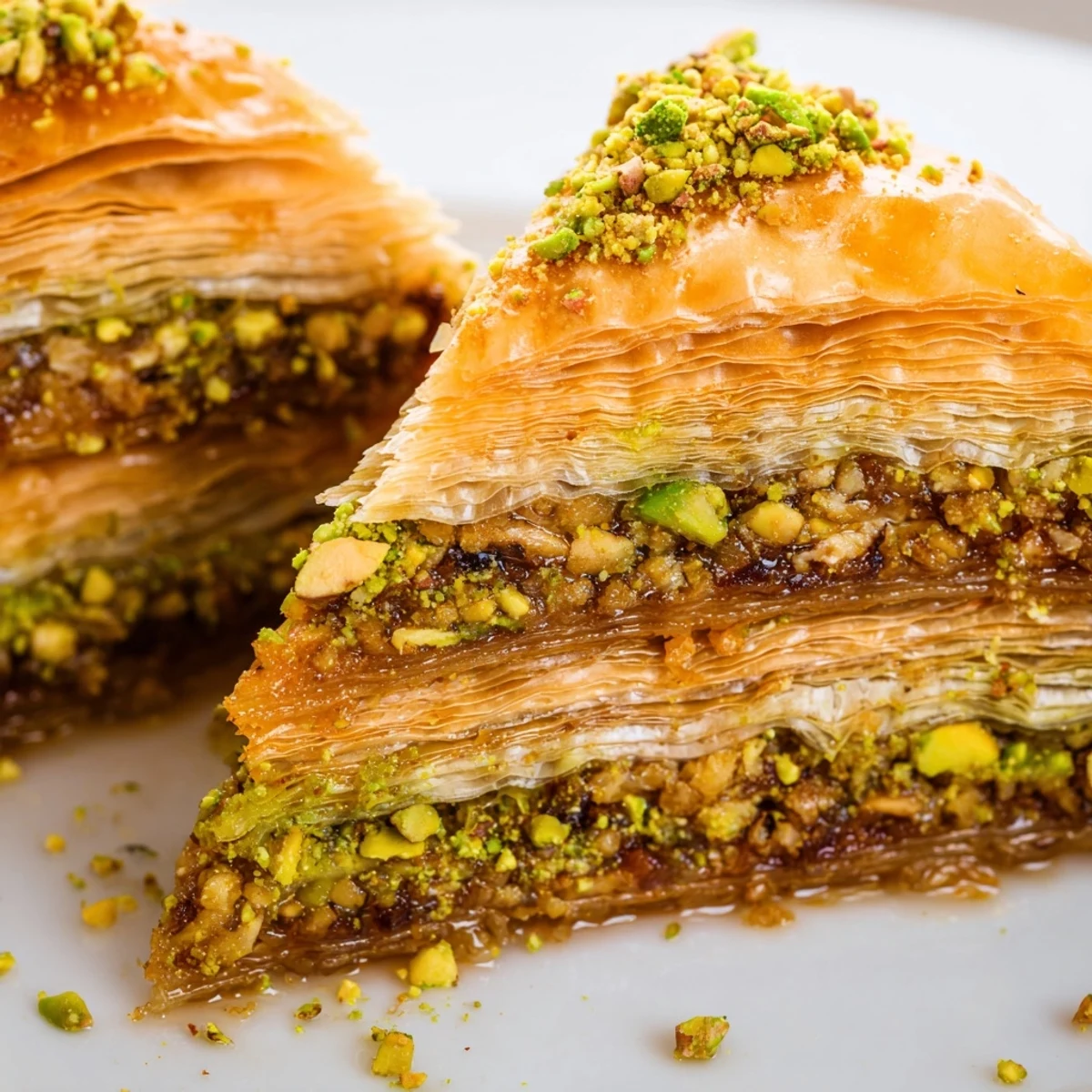
Save Every time I pull a tray of golden baklava from the oven, I am transported back to that small kitchen in Sarajevo, learning more than just a recipe. This is the kind of dessert that creates memories, not just satisfies a sweet tooth.
Recipe Q&A
- → Can I make baklava ahead of time?
-
Yes, baklava actually improves when made a day ahead. This allows the syrup to fully penetrate all layers, resulting in a moister, more flavorful pastry. Store in an airtight container at room temperature.
- → What nuts work best in this filling?
-
Walnuts and almonds form the traditional base, while pistachios add color and subtle flavor. You can substitute hazelnuts or use all walnuts if preferred. All nuts should be finely chopped for even distribution.
- → Why must syrup and baklava both be hot?
-
Pouring hot syrup over hot pastry ensures proper absorption. The temperature difference helps the syrup penetrate the crisp layers without making them soggy. This technique creates the ideal texture—crisp yet syrupy.
- → How do I prevent phyllo from drying out?
-
Keep unused phyllo covered with a damp towel while working. Work quickly but gently, and butter each layer immediately after placing it. Thaw frozen phyllo completely in the refrigerator overnight before using.
- → Can I freeze baklava?
-
Freshly baked baklava freezes well for up to 3 months. Wrap tightly in plastic and foil before freezing. Thaw at room temperature, but note that freezing may slightly affect the crisp texture of the phyllo layers.
- → What's the purpose of lemon juice in the syrup?
-
Lemon juice prevents the sugar syrup from crystallizing while adding a subtle brightness that balances the rich sweetness. It also helps the syrup achieve the right consistency for perfectly coating the pastry layers.