
 Save
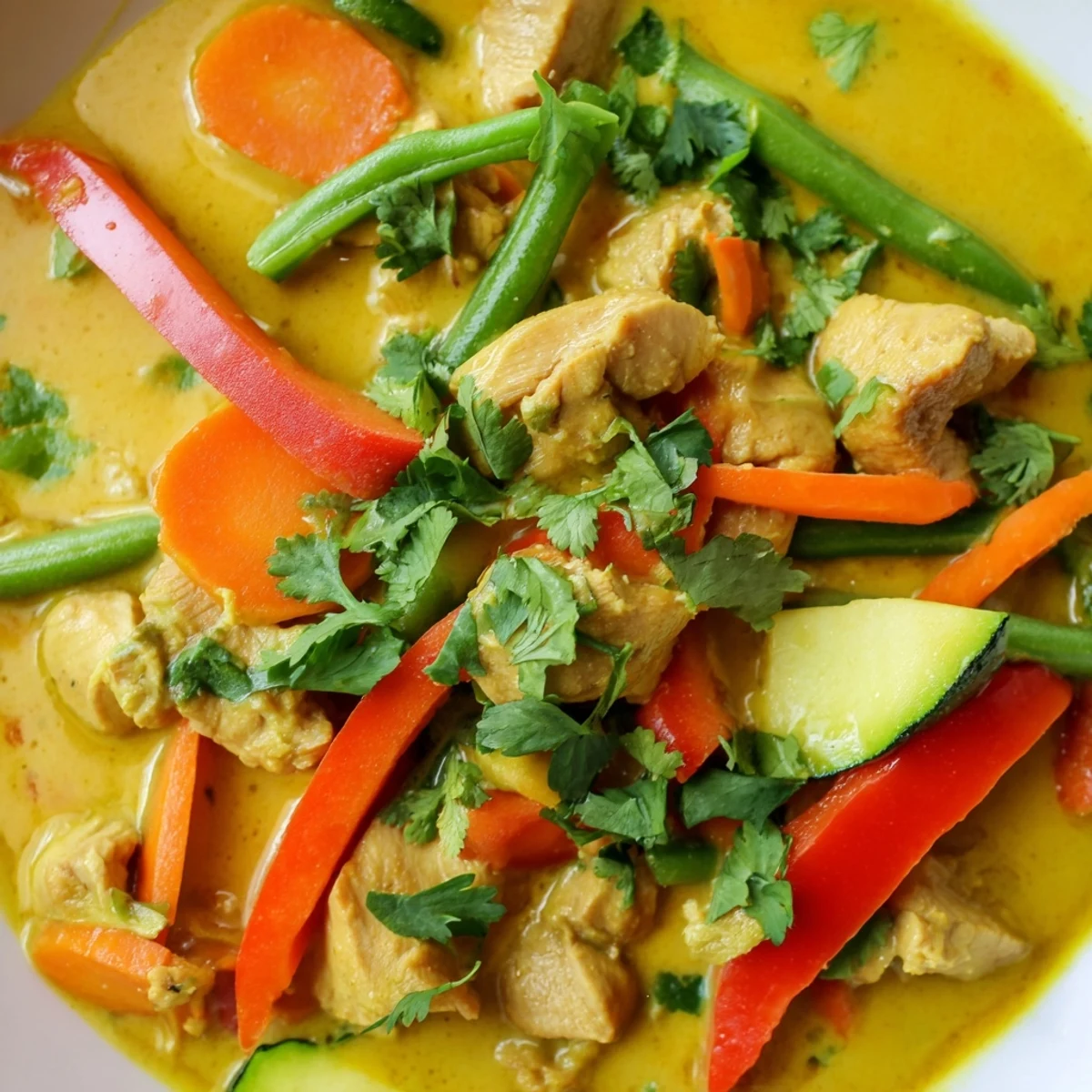
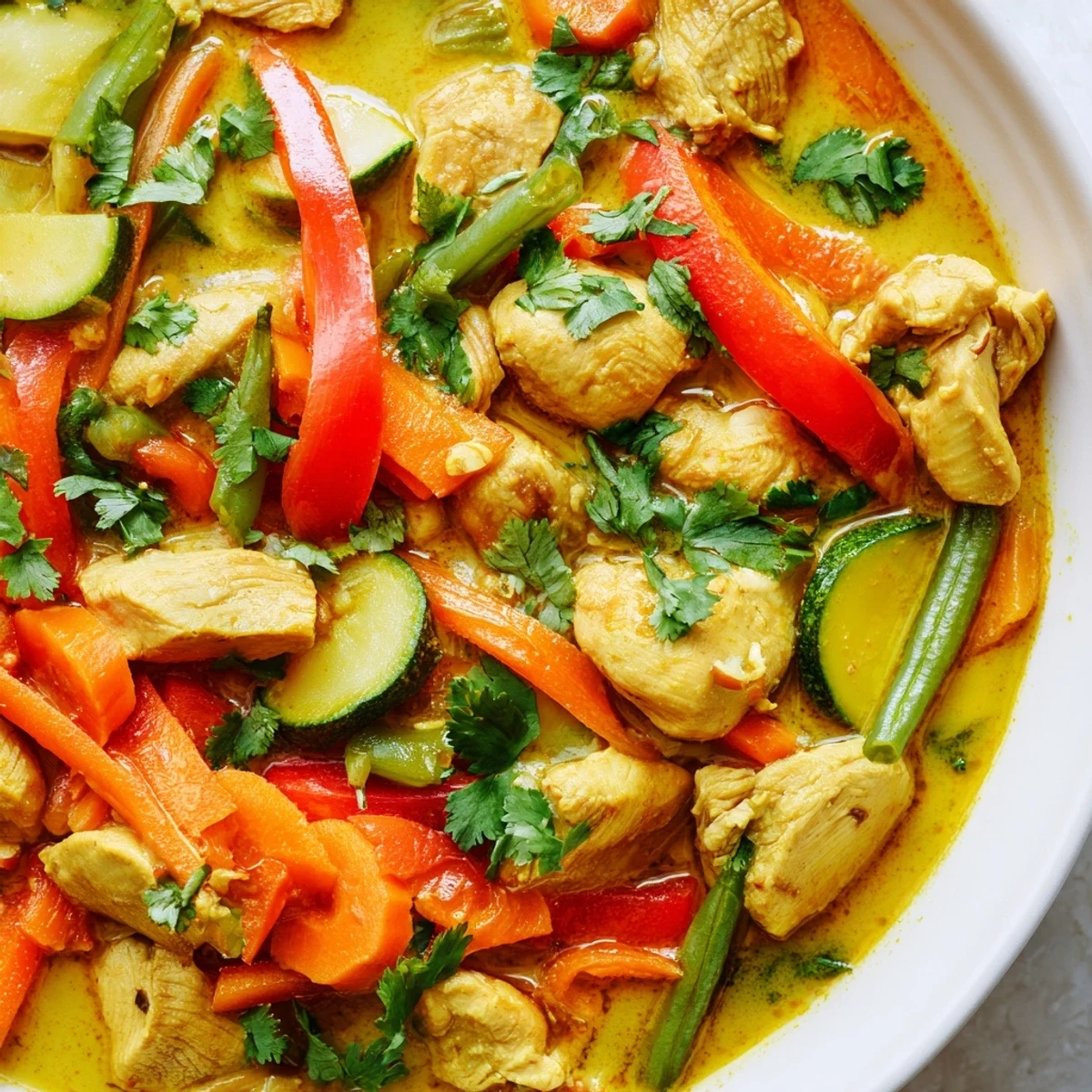
Save This vibrant Thai-inspired curry brings together tender chicken pieces simmered in a rich, fragrant yellow coconut sauce. The dish features fresh vegetables like bell peppers, zucchini, carrots, and green beans, all infused with aromatic ingredients including garlic, ginger, lemongrass, and kaffir lime leaves.
Perfect for serving over jasmine rice or rice noodles, this medium-difficulty dish yields four generous portions and is naturally gluten-free when using tamari. The balance of sweet coconut milk, savory fish sauce, and aromatic curry paste creates a deeply satisfying meal that's both comforting and exciting.
My tiny apartment smelled like a Thai street stall after I first attempted this curry, the lemongrass and curry paste aromas drifting so strongly that my neighbor knocked to ask what restaurant I'd ordered from. I'd stumbled on yellow curry paste at an Asian market earlier that week, something golden and turmeric-stained that promised more warmth than the red curries I usually made. That evening taught me that yellow curry has this incredible way of making vegetables feel luxurious, the sauce coating everything in this silky, coconut-rich embrace. Now it's my go-to when I want something that feels special but doesn't require hours at the stove.
Last winter, my friend Sarah came over for dinner during that awful week when everyone seemed to be getting sick. I made a double batch of this curry, and we sat at my kitchen table wrapped in blankets, steam rising from our bowls as the snow fell outside the window. She kept saying how the broth was healing her soul, and honestly, I think she was right. That's the thing about a well-made curry, it somehow manages to be both comfort food and something that feels a little exotic, all at once.
Ingredients
- Boneless chicken thighs (600 g): Thighs stay juicy and tender in the simmering sauce, unlike breast meat which can turn dry and stringy
- Yellow curry paste (2 tbsp): This is the flavor foundation, look for one with galangal and turmeric listed high on the ingredients
- Coconut milk (400 ml): Full-fat is essential here, the richness is what transforms this from a soup into a proper curry
- Chicken stock (200 ml): This stretches the coconut milk without thinning it too much, adding depth to the sauce
- Fish sauce (1 tbsp): Don't be scared by the smell, it dissolves into pure umami that makes the curry taste restaurant-quality
- Lemongrass (2 stalks): Bruising them with the back of your knife releases those citrusy oils that make the sauce sing
- Vegetables (bell pepper, zucchini, carrot, green beans): The colors look beautiful against the yellow sauce, and they add texture that keeps each bite interesting
Instructions
- Build Your Foundation:
- Heat your oil in a large wok or deep skillet over medium heat, then add the sliced onion, letting it soften and turn translucent for about 2 minutes. Add the garlic, ginger, and bruised lemongrass, stirring constantly until the garlic becomes fragrant but not browned.
- Wake Up the Curry Paste:
- Stir in the yellow curry paste and let it cook for a full minute, pressing it into the hot oil to release its essential oils. The paste will darken slightly and become incredibly aromatic, coating the bottom of the pan in this golden layer of flavor.
- Sear the Chicken:
- Add the chicken pieces in batches if needed, letting them develop a light golden brown color on all sides, about 5 minutes. This step creates those flavorful browned bits that will dissolve back into the sauce later.
- Create the Sauce:
- Pour in the coconut milk and chicken stock, stirring to dissolve all those caramelized bits from the bottom of the pan. Add the fish sauce, soy sauce, brown sugar, and kaffir lime leaves, bringing everything to a gentle simmer.
- Simmer Together:
- Add all your vegetables and let everything cook uncovered for 15 to 20 minutes, until the chicken is cooked through and the vegetables are tender but still have some bite. The sauce will thicken slightly and become this gorgeous, glossy yellow.
- Finish and Serve:
- Fish out and discard the lemongrass stalks and kaffir lime leaves, then taste your sauce and adjust the seasoning if needed. Serve hot over steamed jasmine rice, topped with fresh cilantro and those lime wedges for squeezing over each bowl.
 Save
Save This curry became my dinner party secret weapon because I can prep everything in advance and just simmer it when guests arrive. There's something so satisfying about setting a steaming pot on the table and watching everyone dive in, the aroma alone making people feel like they're somewhere warm and tropical.
Making It Your Own
I've learned that Thai curries are wonderfully forgiving once you understand the basic structure. Sometimes I'll add baby corn or bamboo shoots if I have them in the pantry, and fresh Thai basil instead of cilantro creates this completely different but equally delicious finish. The sauce is the template, everything else is negotiable.
Perfect Rice Every Time
Jasmine rice is the traditional pairing for a reason, its floral sweetness balancing the savory curry perfectly. I rinse my rice until the water runs clear, then cook it with a bit less water than usual since the curry sauce is meant to coat each grain generously. The rice should be fluffy and separate, not sticky, so it doesn't become a mushy platform for your beautiful curry.
Serving Suggestions
A simple cucumber salad dressed with rice vinegar makes a refreshing counterpoint to the rich curry, cutting through the coconut milk with its cool crunch. I also love setting out small bowls of extra toppings like chopped peanuts, sliced chilies, or fried shallots so everyone can customize their bowl. Some crusty bread isn't traditional, but don't tell me you won't want to mop up every last drop of that sauce.
- Squeeze that lime over your bowl just before eating, it brightens the entire dish
- If you can't find kaffir lime leaves, lime zest added at the end helps approximate that fragrance
- Leftovers reheat beautifully, though you might need to add a splash of water to thin the sauce
 Save
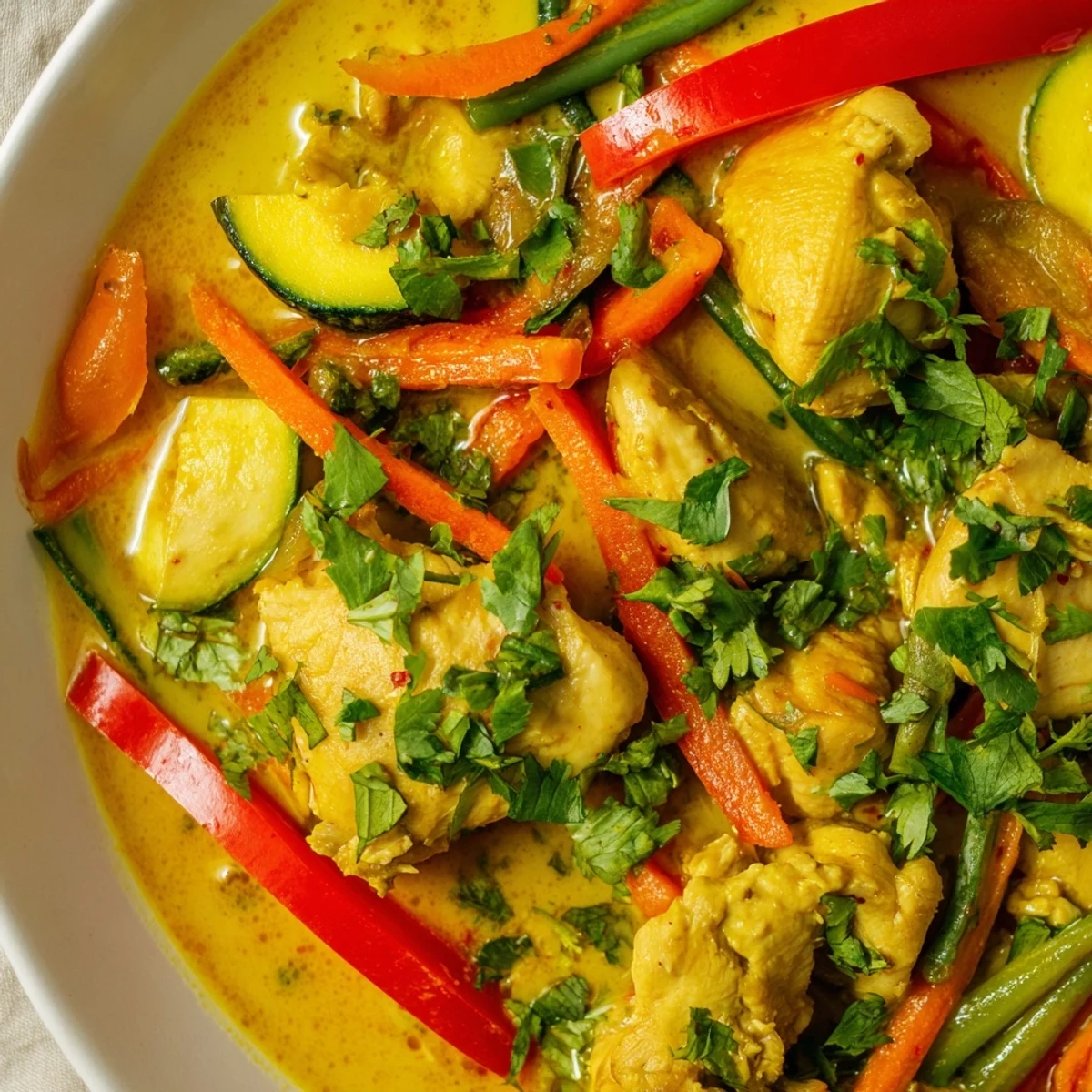
Save There's something about the color yellow that just makes food feel happy, and this curry has never failed to turn a regular Tuesday into something worth savoring.
Recipe Q&A
- → What makes this curry yellow?
-
The vibrant yellow color comes from the yellow curry paste, which typically contains turmeric as a primary ingredient. This gives the dish its characteristic golden hue and earthy, warm flavor profile.
- → Can I make this curry spicier?
-
Absolutely. Add fresh sliced Thai chilies during cooking or sprinkle red chili flakes to taste. You can also increase the amount of yellow curry paste, or serve with extra chili on the side for those who prefer more heat.
- → What vegetables work best in this dish?
-
Bell peppers, zucchini, carrots, and green beans are excellent choices that hold their texture well during simmering. You can also add bamboo shoots, baby corn, or eggplant. Avoid delicate vegetables that might become mushy.
- → Is this curry suitable for meal prep?
-
Yes, this curry actually develops deeper flavors when stored overnight. Keep refrigerated in airtight containers for up to 3-4 days. The sauce may thicken when chilled—simply add a splash of water or coconut milk when reheating.
- → Can I use chicken breast instead of thighs?
-
While chicken thighs remain more tender and juicy during simmering, you can substitute boneless skinless chicken breasts. Reduce cooking time slightly to prevent drying, and consider cutting into slightly larger pieces to maintain moisture.
- → What can I substitute for fish sauce?
-
For vegetarian versions, use vegetarian fish sauce or additional soy sauce/tamari. You can also add a pinch of salt and a squeeze of lime to approximate the umami flavor that fish sauce provides.