
 Save
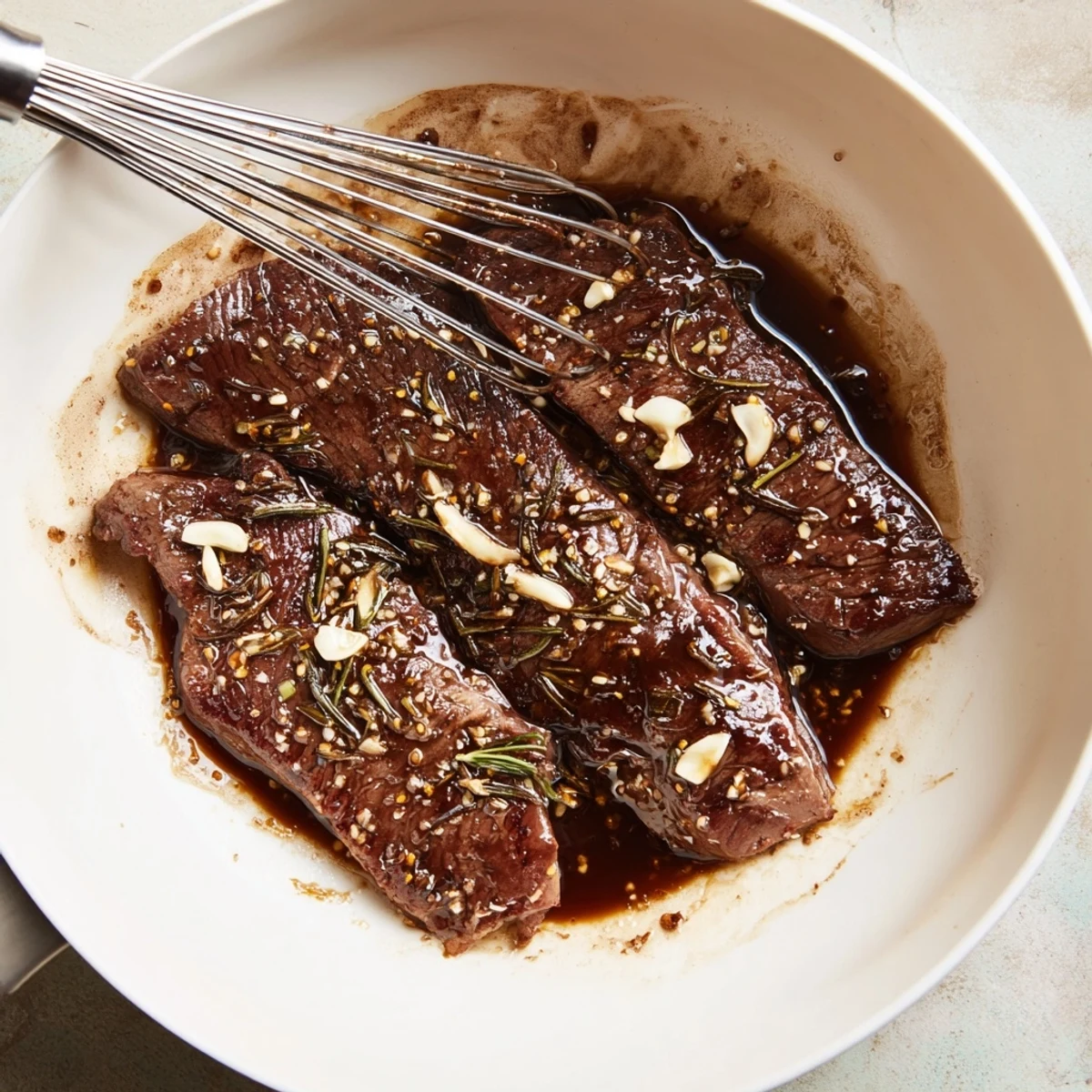
Save This soy-and-balsamic marinade combines soy sauce, olive oil, Worcestershire, lemon and brown sugar with garlic, Dijon and rosemary to both tenderize and build savory brightness. Marinate steaks 2–24 hours, turning occasionally. Pat dry before high-heat grilling, pan-searing or broiling for a caramelized crust and juicy interior. Use tamari for gluten-free needs.
Soy sauce, Worcestershire, and the faint zip of balsamic always meant something smoky and delicious was on the horizon. The first time I tossed together this steak marinade, my apartment filled with an aroma that made my neighbor knock, curious if I was secretly opening a steakhouse. I learned quickly that a bowl and a whisk could turn a plain steak night into something worth pausing for. Sometimes, I even catch myself sneaking a taste before the steaks go in—just to check, of course.
There was a backyard dinner once where I underestimated how much my friends would love these steaks. The marinade’s garlicky perfume floated through the open window, drawing everyone inside well before I was ready. We ended up laughing at the grill, turning steaks together, taste-testing just to be sure the char was right. That night, even the salad was ignored in favor of extra bites of beef.
Ingredients
- Soy Sauce: The salty base that soaks deep into the meat—if you can, reach for a good-quality soy or swap for tamari if you need gluten-free.
- Olive Oil: This helps everything cling to the steak; extra virgin is my go-to, but plain works too if that’s what’s on hand.
- Worcestershire Sauce: This one’s magic—the ingredient that makes people ask what’s in your marinade.
- Balsamic Vinegar: A splash smooths out the salty edges and brings sweetness; if yours is aged and syrupy, that’s even better.
- Lemon Juice: Freshly squeezed wakes up all the other flavors—I always roll my lemons on the counter first to get more juice.
- Garlic (minced): Don’t be shy; four cloves (or more) guarantee your neighbors will be jealous.
- Dijon Mustard: Adds depth and a subtle tang; whisk it well to avoid little clumps.
- Brown Sugar: Balances out all the punchy ingredients; honey can work for a floral note.
- Black Pepper (freshly ground): Peppery bites throughout the steak are always worth a little extra grinding.
- Rosemary (dried or fresh): Fresh rosemary makes the kitchen smell like a garden—I crush dried between my palms to wake it up.
- Onion Powder: Rounds out the flavor so nothing is missing; just a teaspoon packs a big punch.
Instructions
- Gather and Measure:
- Set out every ingredient so you’re not digging for spices midway—the smell of garlic and rosemary already hints at what’s coming.
- Whisk the Base:
- Pour soy sauce, olive oil, Worcestershire, balsamic, and lemon juice into a medium bowl and whisk until the mixture looks glossy and uniform.
- Add the Aromatics:
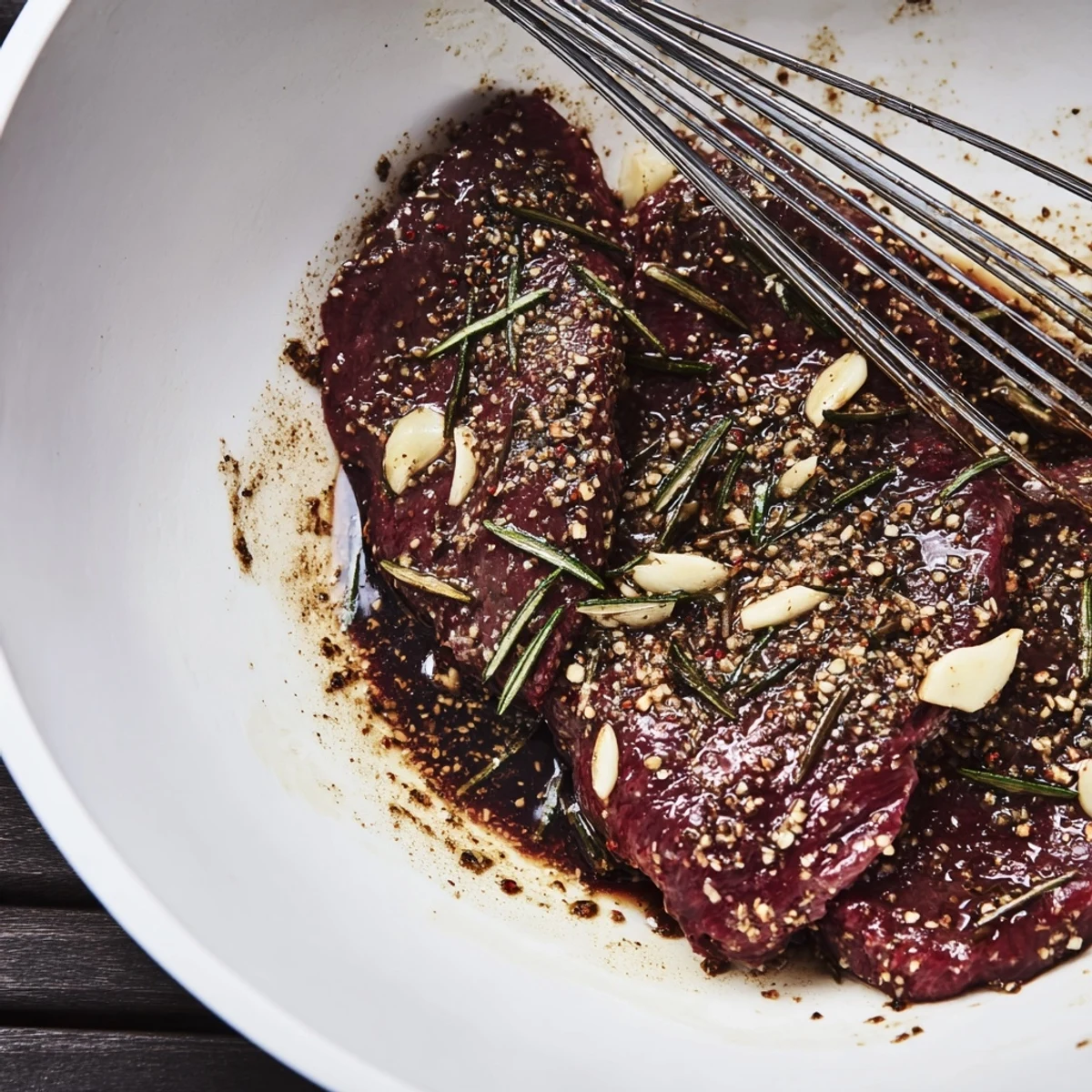
- Slide in the garlic, Dijon, brown sugar, pepper, rosemary, and onion powder, whisking again until everything’s dissolved; don’t be afraid to pause and inhale.
- Marinate the Steaks:
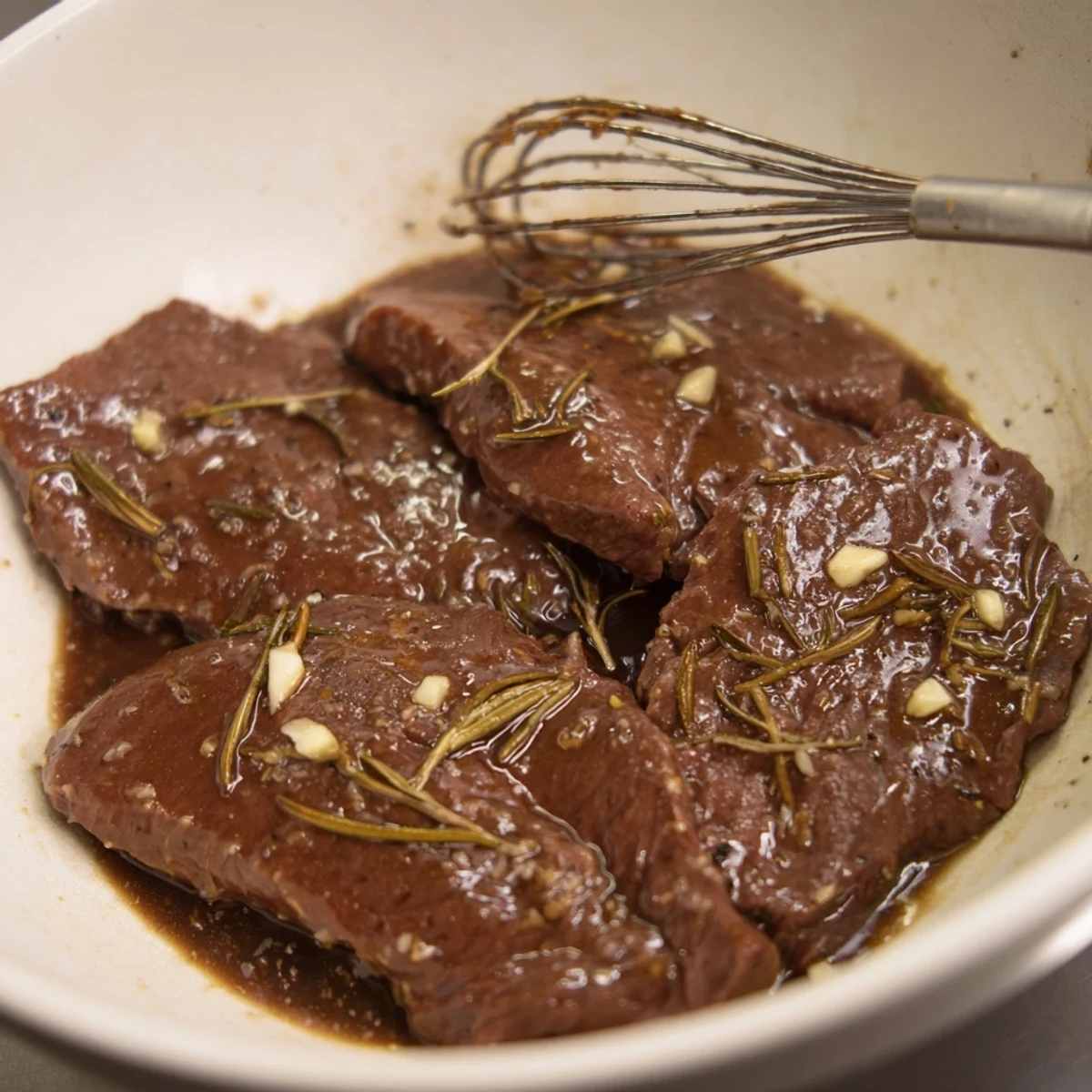
- Place the steaks into a large resealable bag or dish, then pour in your marinade and massage gently so each steak is coated.
- Fridge Time:
- Seal and refrigerate for at least two hours, but letting it soak overnight makes every bite extra tender. Flip the steaks halfway if you remember.
- Pat and Cook:
- Remove the steaks, pat them dry (to encourage a crisp sear), discard the marinade, and cook however you like—my favorite is a blazing hot grill.
 Save
Save The night my friend celebrated a big promotion, we grilled these steaks under string lights, and every bite felt like a toast. It’s the kind of meal where conversation lingers long after the last bit is gone.
What to Serve With Marinated Steak
Sometimes I’ll whip up garlicky mashed potatoes or pile grilled vegetables beside the steak. A simple green salad with a lemony vinaigrette always cuts through the richness. When there’s time, crusty bread for mopping up any juices is never a bad idea.
Ingredient Swaps That Work
If you’re out of brown sugar, honey gives the marinade a shiny glaze and a hint of floral sweetness. Fresh herbs take this to the next level, but dried rosemary still delivers. For gluten-free needs, tamari and gluten-free Worcestershire keep the flavor big and inclusive.
Quick Tricks for Marinating Success
If I’m in a rush, I poke the steaks a few times with a fork—just lightly—to help the marinade get inside quicker. For extra garlic punch, I sometimes toss in an extra clove. Scattering a little flaky salt after the steak is cooked gives a perfect finish.
- Always marinate in the fridge, never at room temp.
- Pour any leftover marinade over roasted veggies for a no-waste punch.
- Don’t reuse marinade for basting unless you boil it first to kill bacteria.
 Save
Save However you cook these steaks, I hope the smell brings everyone to the kitchen before dinner’s even ready. There’s nothing better than sharing a meal that’s been quietly preparing itself in the fridge all day.
Recipe Q&A
- → How long should I marinate steaks for best tenderness?
-
Allow at least 2 hours for surface flavor; 6–12 hours gives good penetration and tenderness. Up to 24 hours is fine for tougher cuts, but avoid much longer to prevent an overly soft texture from the acids.
- → Can I reuse the marinade after the steaks sit in it?
-
Discard used marinade that has contacted raw meat. If you want to use it as a sauce, reserve a portion before adding raw steak and boil that reserved portion for several minutes to kill bacteria.
- → What are good substitutions for brown sugar and Worcestershire?
-
Substitute honey for brown sugar for a floral sweetness and slight glaze. For Worcestershire, use a splash of balsamic plus a touch of anchovy paste or a few dashes of soy sauce to mimic the umami depth.
- → How do I adapt this mix for gluten-free needs?
-
Replace regular soy sauce and Worcestershire with gluten-free tamari and a gluten-free Worcestershire alternative, or omit Worcestershire and boost balsamic and lemon for balance. Always check labels.
- → Which cooking methods work best after marinating?
-
High-heat methods—grilling, pan-searing or broiling—create a caramelized crust while preserving juiciness. Pat steaks dry before cooking to encourage browning and prevent steaming.
- → Can this mix be used on other proteins?
-
Yes. It works well on pork chops and chicken breasts; reduce marination time for delicate proteins (30 minutes to 4 hours) to avoid over-tenderizing from the acids.