
 Save
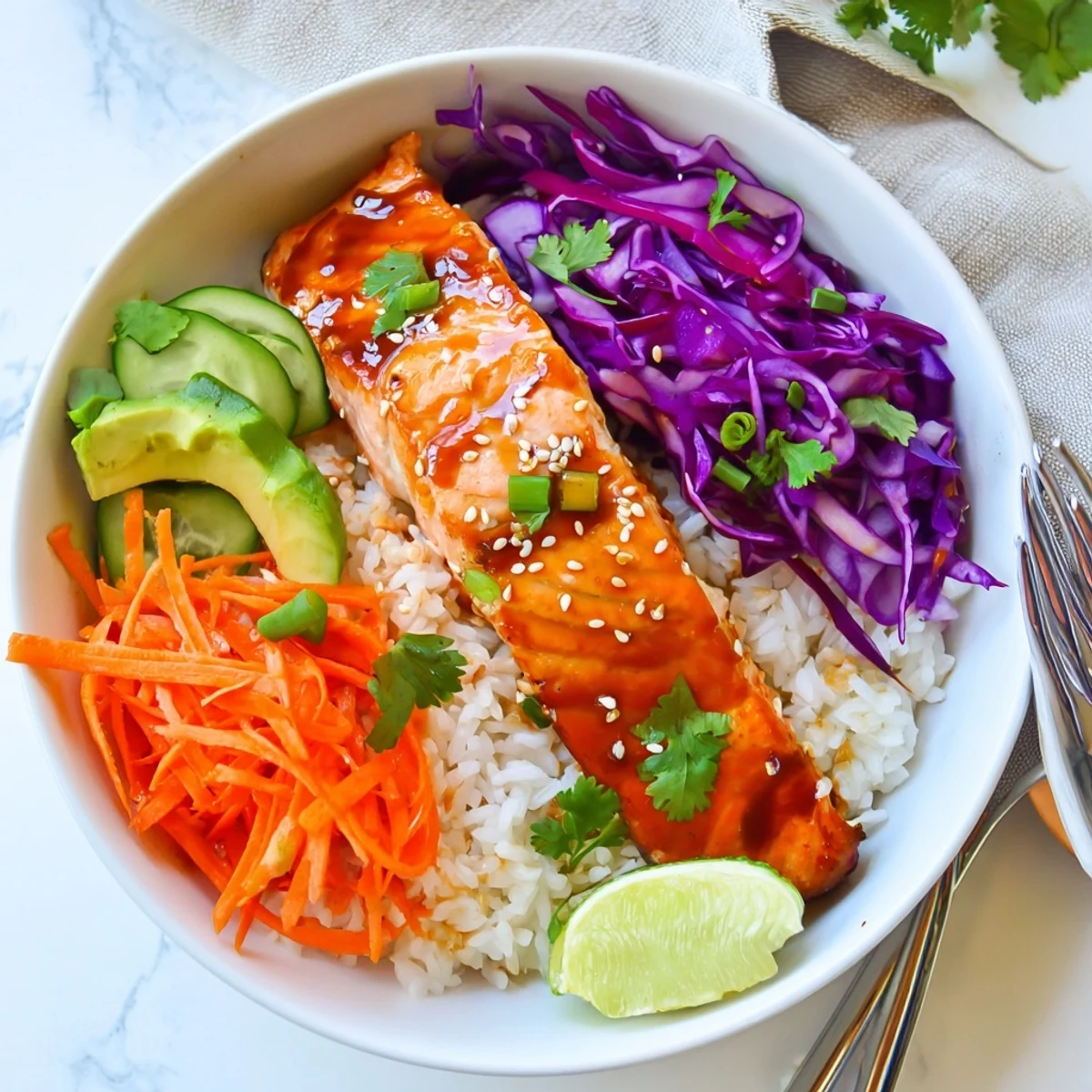
Save These sriracha honey glazed salmon bowls bring together tender, caramelized salmon fillets with a sticky sweet-and-spicy glaze that balances heat from sriracha with natural honey sweetness.
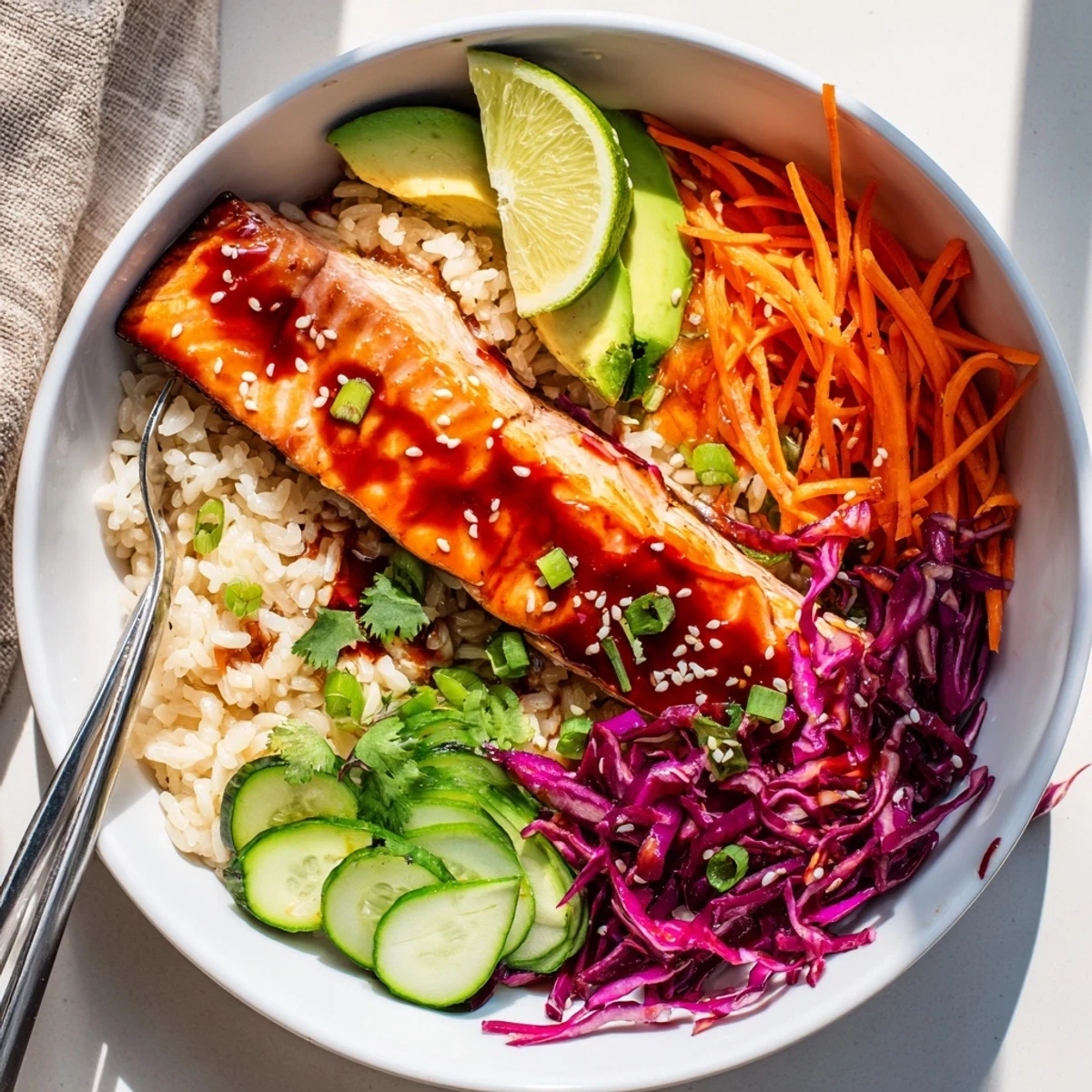
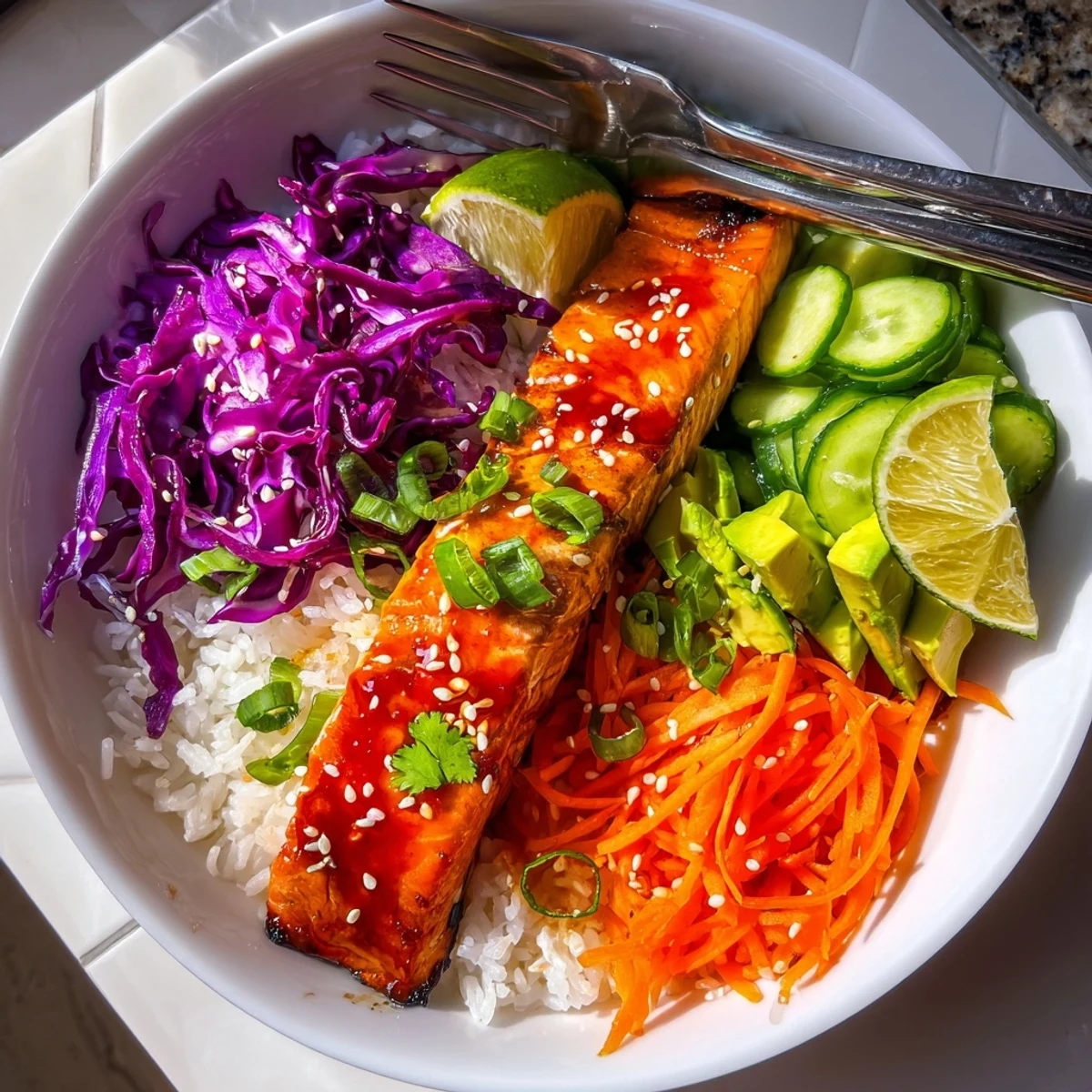
Served over a bed of fluffy jasmine rice and topped with shredded red cabbage, julienned carrots, creamy avocado, and cool cucumber, each bowl is a vibrant mix of textures and flavors.
With just 15 minutes of prep and 15 minutes of cooking, this dish is perfect for busy weeknights when you want something nourishing and satisfying without spending hours in the kitchen.
The sizzle of salmon hitting a hot pan on a Tuesday evening changed my entire weeknight dinner game forever. I had stumbled home from a long day at work with nothing planned and a bottle of sriracha sitting front and center in the fridge door, practically daring me. What happened next was a sticky, sweet, fiery accident that has since become the most requested meal in my household.
My neighbor Dave once knocked on my door to borrow a tool and ended up staying for dinner because he could smell the glaze thickening in the pan from the hallway. He now texts me every Sunday asking if this is a salmon bowl week, and I have stopped pretending I will ever say no.
Ingredients
- 4 salmon fillets, skinless, about 150 g each: Skinless fillets soak up the marinade faster and caramelize evenly without the barrier of skin.
- 3 tbsp honey: This is the glue that makes the glaze stick and the sweetness that tempers all that fire.
- 2 tbsp sriracha sauce: Start here if you are cautious with heat, and add more later once you know what you are dealing with.
- 2 tbsp soy sauce: Brings a deep salty umami backbone that makes everything taste more like itself.
- 1 tbsp rice vinegar: A little brightness that cuts through the richness of the salmon and honey.
- 2 tsp sesame oil: Toasted sesame oil adds a nutty aroma that signals something special is happening.
- 1 garlic clove, minced: One is enough here because the sriracha already carries a garlicky punch beneath the surface.
- 1 tsp grated fresh ginger: Fresh ginger grated on a microplane melts into the glaze and gives it a subtle warmth without overpowering.
- 2 cups cooked jasmine or basmati rice: Fluffy, fragrant rice is the quiet foundation that soaks up every drop of extra glaze.
- 1 cup shredded red cabbage: Adds a satisfying crunch and a pop of purple that makes the bowl look like you tried harder than you did.
- 1 cup julienned carrots: Thin strips cook slightly in the residual heat of the rice and bring natural sweetness.
- 1 cucumber, sliced: Cool and refreshing, it balances the sticky heat of the salmon beautifully.
- 1 avocado, sliced: Creamy avocado mellows out the spice and makes everything feel indulgent.
- 2 green onions, sliced: A sharp, fresh finish that wakes up each bite right at the end.
- 1 tbsp sesame seeds: Sprinkle these on for a gentle crunch and a visual flourish that makes the bowl camera ready.
- Fresh cilantro leaves, optional: Some people love it, some think it tastes like soap, so I leave this one entirely up to you.
- Lime wedges, to serve: A squeeze of lime at the very end ties every flavor together with a single bright note.
Instructions
- Whisk the glaze together:
- In a small bowl, combine the honey, sriracha, soy sauce, rice vinegar, sesame oil, minced garlic, and grated ginger. Whisk until the honey dissolves completely and the mixture looks glossy and unified, then take a small taste and adjust the sriracha if you want more fire.
- Marinate the salmon:
- Lay the salmon fillets in a shallow dish and pour roughly half the glaze over them, turning each piece gently so every surface gets coated. Let them sit for about ten minutes while you prep the bowls, keeping the remaining glaze separate for later.
- Cook the salmon:
- Heat a large nonstick skillet over medium heat and place the fillets skin side up, letting them cook undisturbed for three to four minutes until the edges turn opaque and the underside develops a deep golden crust. Flip carefully and cook another three to four minutes on the other side.
- Glaze and thicken:
- In the final minute, pour the reserved glaze into the pan around the salmon and watch it bubble and thicken into a sticky lacquer that coats every fillet beautifully. Use a spoon to baste the salmon with the pooling glaze so nothing is wasted.
- Build the bowls:
- Divide the warm rice among four bowls and arrange the shredded cabbage, julienned carrots, cucumber slices, and avocado on top in sections so each ingredient is visible and inviting.
- Finish and serve:
- Set a glazed salmon fillet on each bowl, drizzle any remaining pan sauce over the top, and scatter with sliced green onions, sesame seeds, and cilantro if using. Hand everyone a lime wedge and tell them to squeeze generously before digging in.
 Save
Save I once packed these bowls in containers for a picnic and ate them cross legged on a blanket while the sun went down, and even lukewarm they were the best thing I had eaten all week.
Swaps and Additions
Brown rice or quinoa work beautifully if you want a heartier, nuttier base, and I have tossed in edamame and snap peas on nights when the vegetable drawer needed clearing out. Radishes sliced paper thin add a peppery bite that surprises people in the best way.
What to Serve Alongside
A cold glass of Sauvignon Blanc alongside this bowl is my go-to on warm evenings when cooking feels less like a chore and more like a small celebration. The citrusy brightness of the wine plays perfectly with the lime and the heat.
Tools That Make This Easier
A nonstick skillet is honestly the most important tool here because that sticky glaze will fuse to anything else and you will spend your evening scrubbing instead of eating. Beyond that, keep a rice cooker or saucepan handy, a sharp knife for the vegetables, a whisk for the glaze, and a couple of mixing bowls.
- A microplane makes quick work of the ginger and releases more flavor than chopping ever could.
- Tongs are better than a spatula for flipping the salmon without breaking it apart.
- Always check your sriracha and soy sauce labels if you are cooking for someone who needs gluten free.
 Save
Save Some recipes become staples because they are easy, and others earn their spot because they make people happy around your table. This one does both without asking much of you at all.
Recipe Q&A
- → Can I use frozen salmon fillets for this dish?
-
Yes, frozen salmon works well. Thaw it completely in the refrigerator overnight before marinating. Pat the fillets dry with paper towels to ensure the glaze adheres properly and you get a nice sear in the skillet.
- → What can I substitute for sriracha if I want less heat?
-
You can use a milder chili sauce like sweet chili sauce, or replace part of the sriracha with ketchup and a dash of hot sauce. For a completely mild version, use a tablespoon of tomato paste with a pinch of paprika to maintain color and depth without the spice.
- → How do I know when the salmon is cooked through?
-
Salmon is done when it flakes easily with a fork and reaches an internal temperature of 145°F (63°C). The flesh should turn from translucent to opaque pink. For these fillets, 3 to 4 minutes per side over medium heat typically yields perfectly cooked results.
- → Can I meal prep these salmon bowls ahead of time?
-
You can prepare the glaze and cut all vegetables up to 2 days in advance and store them separately in the refrigerator. Cook the salmon fresh when ready to serve for the best texture. Assembled bowls will keep for one day refrigerated, though the avocado may brown slightly.
- → What rice alternatives work best in these bowls?
-
Brown rice, quinoa, cauliflower rice, or soba noodles all make excellent bases. Cauliflower rice is a great low-carb option, while quinoa adds extra protein. For a cold bowl variation, try chilled glass noodles or vermicelli.
- → How can I make this dish gluten-free?
-
Simply swap the regular soy sauce for tamari or a certified gluten-free soy sauce. Check the sriracha label as well, since some brands contain wheat. All other ingredients in this dish are naturally gluten-free.