
 Save
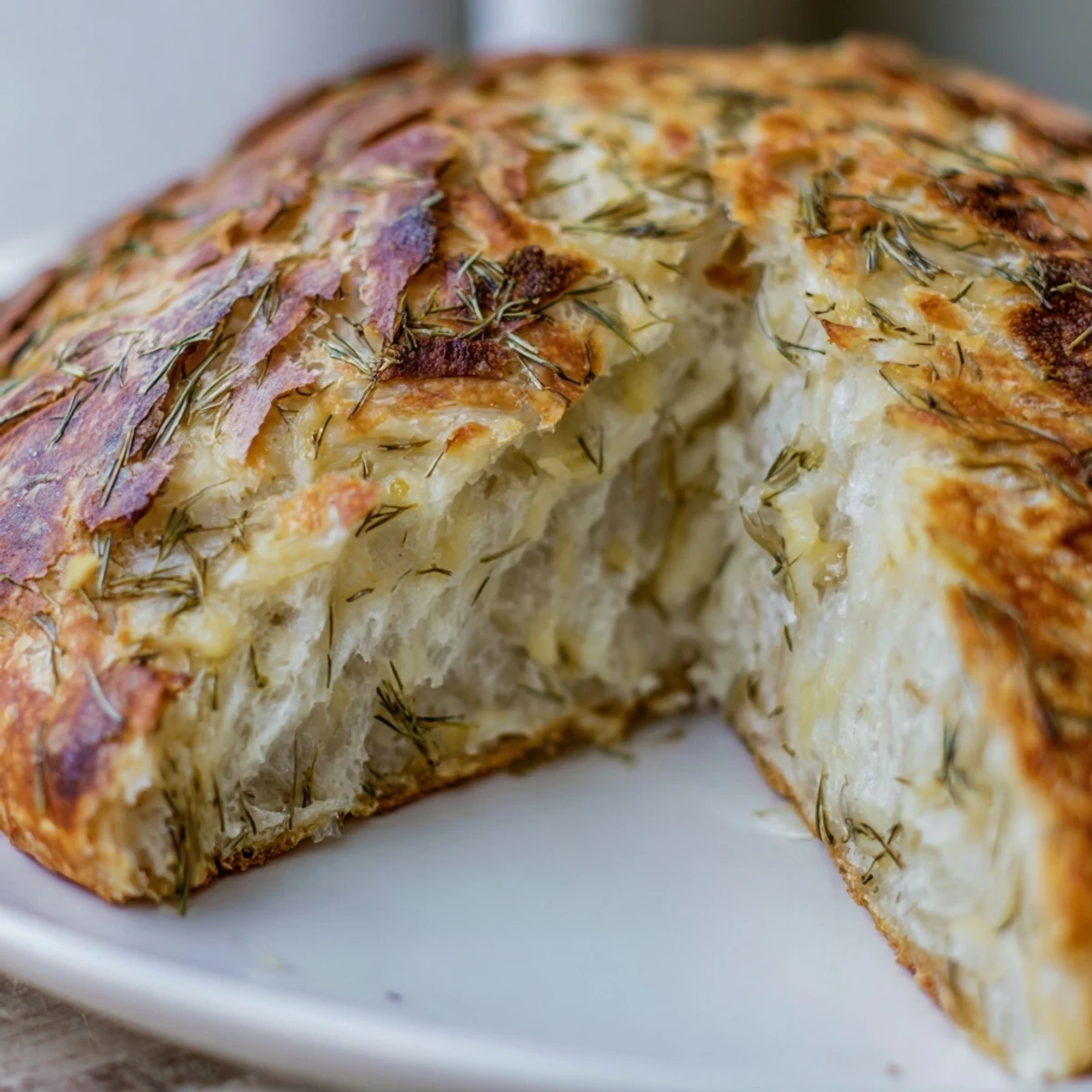
Save This artisan bread combines the aromatic freshness of dill with rich, creamy Gouda cheese for a deeply flavorful European-style loaf. The no-knead method makes it incredibly accessible - simply mix the ingredients, let them ferment overnight, then bake in a preheated Dutch oven for that perfect bakery-quality crust.
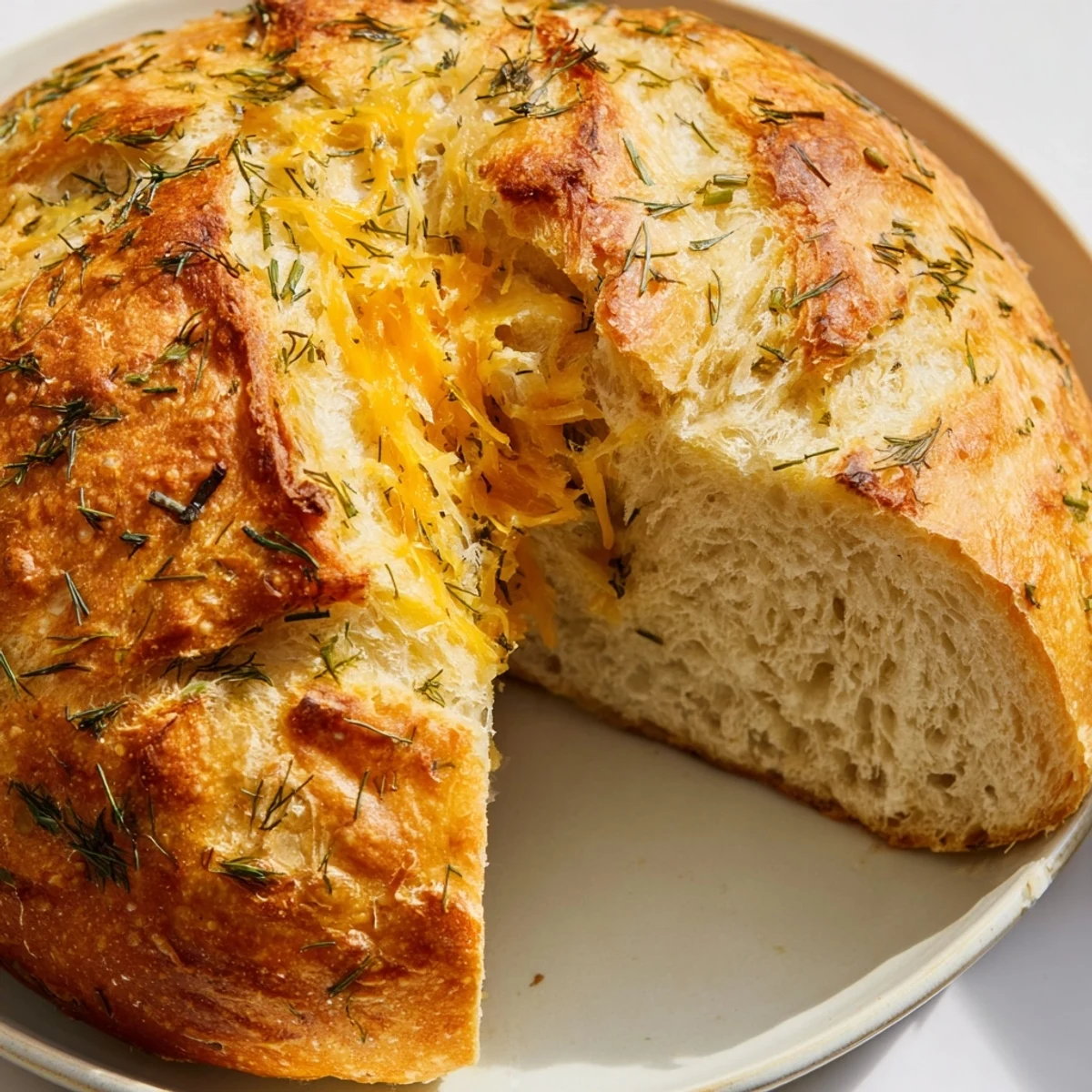
The result is a beautifully golden, crackly exterior protecting a tender, airy interior filled with savory cheese and herb notes. It pairs wonderfully with herbed butter, smoked salmon, or simply toasted with olive oil.
The smell of dill and melting Gouda drifting through my apartment is still vivid in my mind. I was experimenting with bread recipes during a particularly snowy winter, tired of the same plain loaves. Something told me that the sharp brightness of fresh dill would play beautifully against the creamy nuttiness of aged Gouda. When I pulled that first golden loaf from the oven, I knew I had stumbled onto something special.
My sister came over unexpectedly that first day I made this bread. We stood at the kitchen counter, breaking off warm pieces and eating them with nothing but a little salted butter. She took three slices before admitting she had already eaten lunch. The loaf was gone by dinner.
Ingredients
- 3 1/4 cups (400 g) bread flour: High protein flour is essential for structure in this hydrated dough, giving you those beautiful airy holes while still supporting the cheese weight
- 1 1/2 tsp salt: Enhances all flavors and helps control fermentation
- 3/4 tsp instant yeast: Instant yeast works beautifully here, dissolving easily into the shaggy dough without needing proofing first
- 1 cup (120 g) Gouda cheese, coarsely grated: Grate it yourself for the best melt, and use aged Gouda for that deep caramel sweetness that develops during baking
- 3 tbsp fresh dill, finely chopped: Fresh dill transforms into something almost floral in the oven, though dried works in a pinch with a more concentrated flavor
- 1/2 tsp cracked black pepper: Just enough to add a gentle warmth behind the cheese and herbs
- 1 1/2 cups (360 ml) lukewarm water: This high hydration is what creates that gorgeous open crumb and bakery style crust
Instructions
- Mix the base:
- In a large bowl, whisk together flour, salt, and yeast until thoroughly combined. Stir in the grated Gouda, chopped dill, and black pepper until evenly distributed throughout the dry mixture.
- Form the dough:
- Pour in the lukewarm water and mix with a spatula or wooden spoon until you have a shaggy, sticky dough with no dry flour remaining. The dough will look messy and rough, which is exactly right.
- Let it work:
- Cover the bowl tightly with plastic wrap or a lid. Let the dough rest at room temperature for 12 to 18 hours, until it has doubled in size and bubbles are visible on the surface.
- Shape the loaf:
- Generously flour your work surface and scrape the dough out. With well floured hands, gently fold the edges toward the center to form a round, then place seam side down on parchment paper.
- Second rise:
- Cover loosely with a clean towel and let rise for 30 to 60 minutes while you preheat your oven and Dutch oven.
- Prepare for baking:
- Place your Dutch oven with its lid in the oven and preheat to 450 degrees F (230 degrees C) for at least 30 minutes to get it thoroughly hot.
- Bake covered:
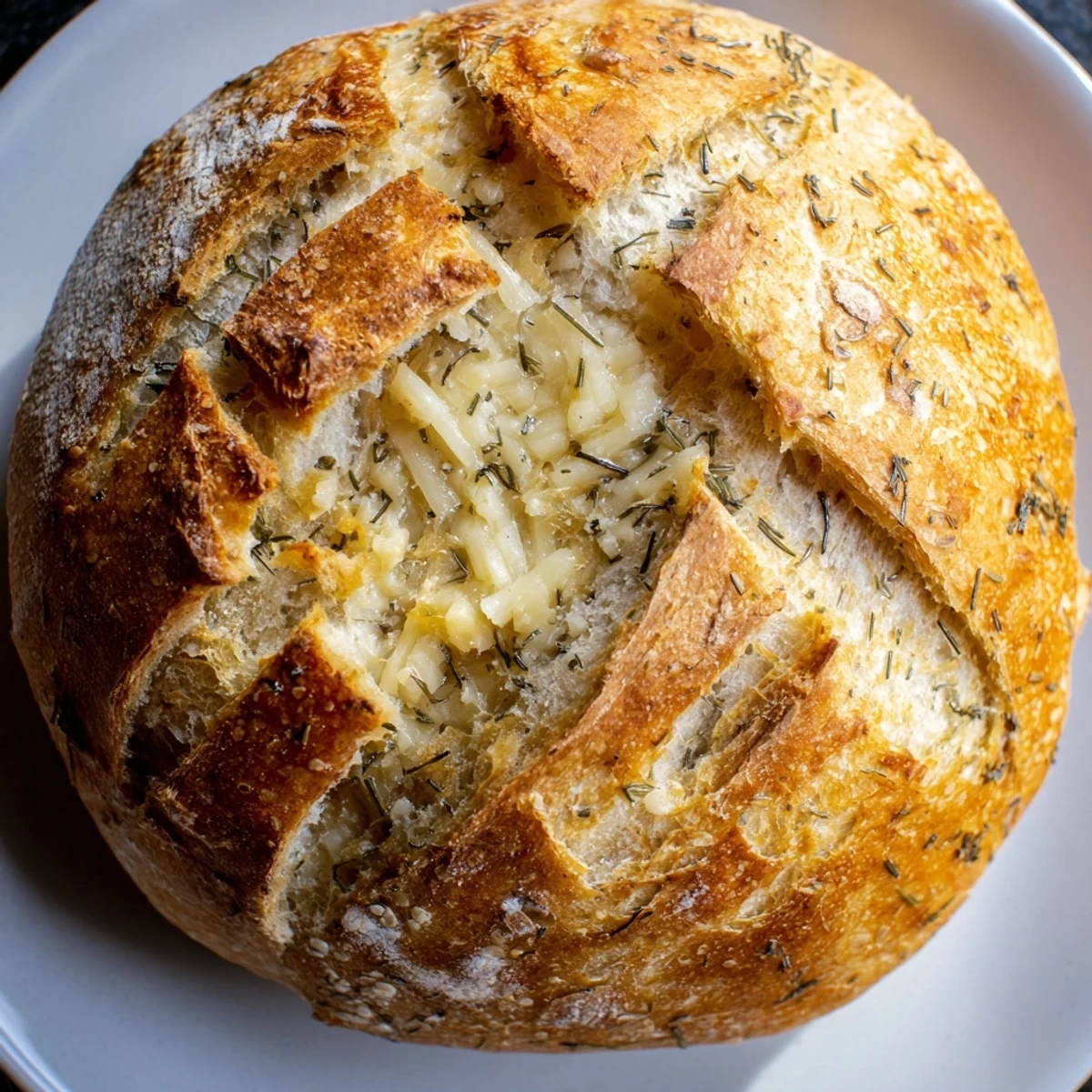
- Carefully transfer the dough on its parchment into the screaming hot Dutch oven. Score the top with a sharp knife, cover, and bake for 30 minutes.
- Finish with crust:
- Remove the lid and bake for an additional 15 to 20 minutes until deeply golden brown and the crust sounds hollow when tapped.
- Cool completely:
- Let the bread cool on a wire rack for at least 1 hour before slicing to ensure the crumb sets properly.
 Save
Save This bread has become my go to for housewarming gifts and dinner party hosts. Something about the combination of flavors makes people feel immediately at home. I always keep the ingredients handy now, never knowing when I might need to bake someone a little comfort.
Cheese Variations That Work
While Gouda creates this incredibly tender crumb, I have had great success substituting aged cheddar for a sharper bite. Emmental adds lovely pockets and a Swiss style nuttiness. A smoked gouda version I tried last winter became an instant favorite, the smoke flavor intensifying beautifully in the crust.
Perfect Pairings
This bread shines alongside hearty vegetable soups, where the dill complements root vegetables and the cheese enriches each spoonful. I have also built incredible sandwiches with sharp cheddar, tart apple slices, and arugula. My favorite might be thick slices toasted, topped with a poached egg and everything bagel seasoning.
Storage And Refreshing
Store the bread cut side down on a cutting board for up to two days, or wrap well and freeze for up to a month. To refresh a day old loaf, sprinkle it lightly with water and bake at 375 degrees F for 10 minutes. This restores that irresistible crackle to the crust.
- Wrap slices individually in parchment before freezing for quick toasting
- Stale bread makes the most incredible croutons for soups and salads
- Leftover slices transform into exceptional grilled cheese with just a little butter
 Save
Save There is something deeply satisfying about pulling this beautiful, fragrant loaf from your own oven. Your kitchen will smell like a professional bakery, and your first warm bite will tell you that the wait was absolutely worth it.
Recipe Q&A
- → What makes this bread 'no-knead'?
-
The long fermentation period (12-18 hours) allows gluten to develop naturally without kneading. Time does the work for you, creating a well-structured dough through gentle hydration and yeast activity.
- → Can I use dried dill instead of fresh?
-
Yes, substitute 1 tablespoon of dried dill for the 3 tablespoons fresh. The flavor will be slightly less vibrant, but still delicious. Add it directly to the dry ingredients.
- → Why bake in a Dutch oven?
-
The Dutch oven creates a steam-filled environment that produces a professional bakery-style crust. The trapped moisture allows the bread to expand fully before the crust sets, resulting in that signature crackly exterior.
- → Can I substitute the Gouda cheese?
-
Absolutely. Cheddar, Emmental, Gruyère, or aged provolone work beautifully. Choose a cheese that melts well and has good flavor intensity to complement the dill.
- → How do I know when the bread is done?
-
The bread should be deeply golden brown with a firm, crackly crust. An instant thermometer inserted into the center should read 200-205°F (93-96°C). The bottom should sound hollow when tapped.
- → Can I freeze this bread?
-
Yes, slice the cooled loaf and wrap individual slices in plastic, then store in a freezer bag for up to 3 months. Toast directly from frozen for best results.