
 Save
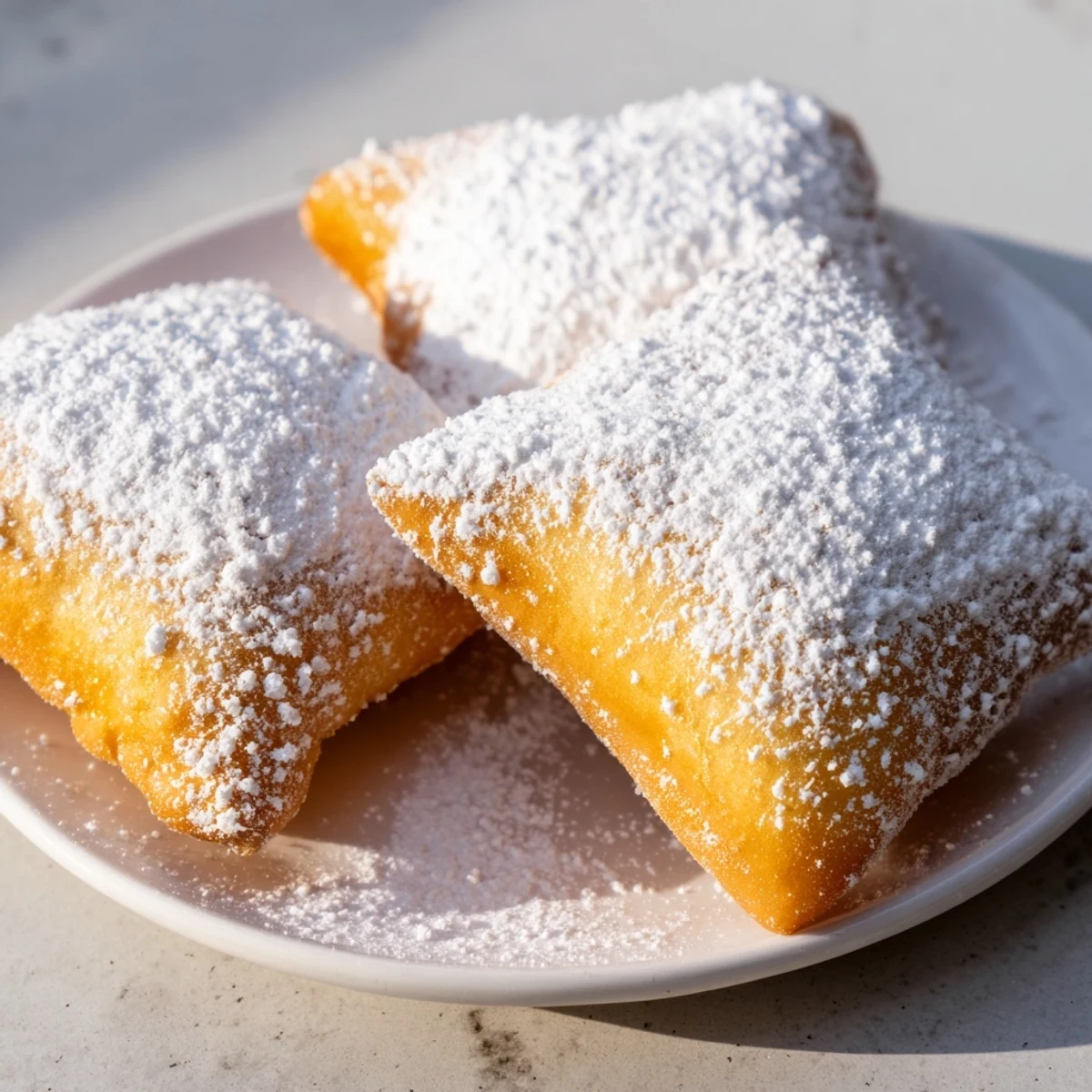
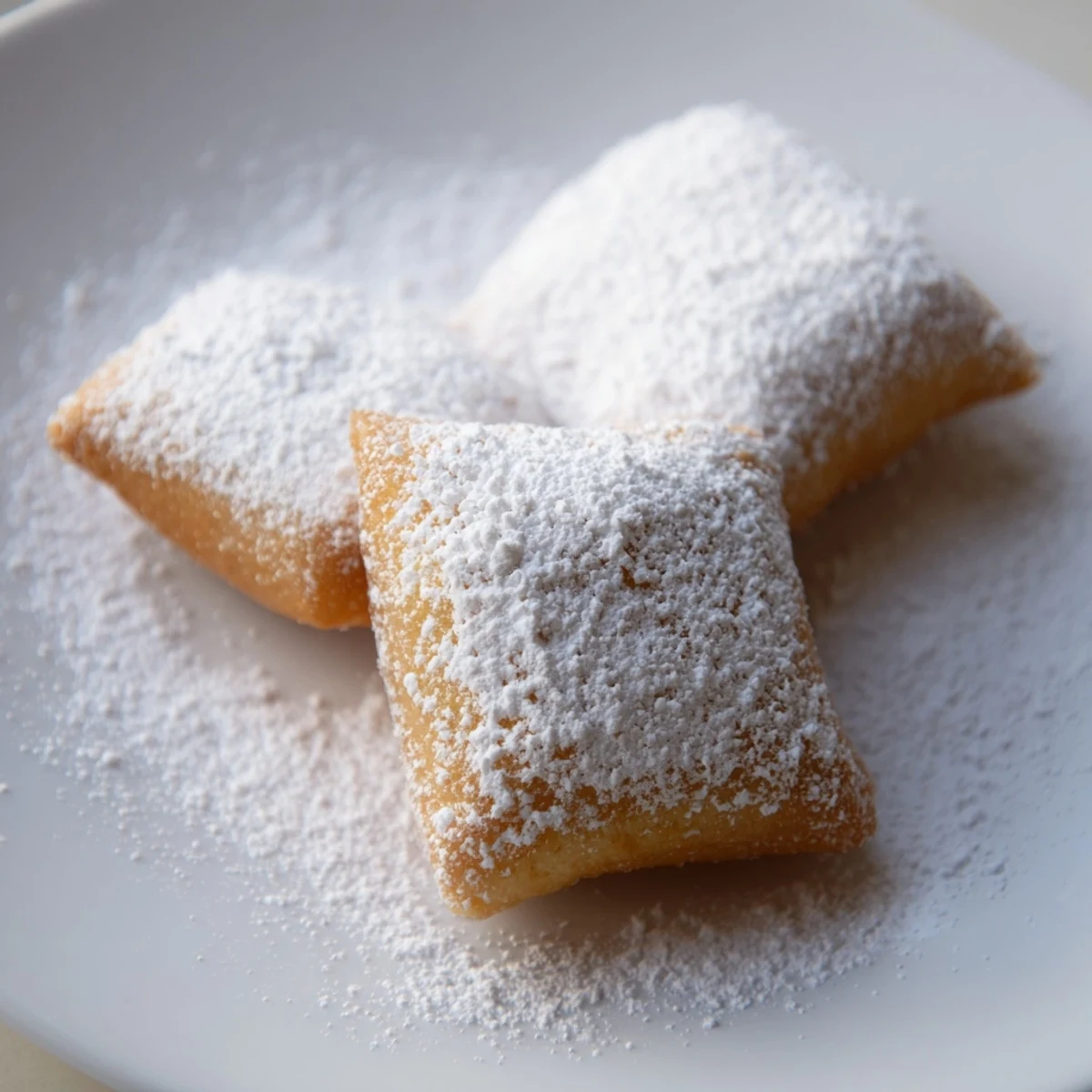
Save Discover the art of making light, airy beignets characteristic of New Orleans. This dough rises to create soft, pillowy squares fried to a golden brown. Finished with a generous dusting of powdered sugar, the beignets offer a perfect balance of crisp exterior and tender interior. With simple ingredients like flour, yeast, milk, and butter, this treat brings classic French Quarter flavors to your kitchen. Ideal for a cozy dessert or a special breakfast delight, these beignets are best enjoyed warm and fresh alongside a café au lait.
Standing on a balcony in the French Quarter at midnight, watching powdered sugar snow down onto my black sweater like I'd been caught in a sweet, magical storm. That first bite—crisp outside, cloud-like inside, sugary chaos everywhere—is exactly why these little fritters became such a beloved tradition.
My first attempt at beignets ended in what I affectionately called the powdered sugar explosion of 2018. I learned quickly that there's an art to the dusting—gentle, generous, and always with a towel underneath because that sugar goes everywhere beautiful.
Ingredients
- All-purpose flour: The foundation that creates structure while keeping the interior tender and light
- Warm whole milk: Activates the yeast and adds richness that water alone cannot provide
- Granulated sugar: Feeds the yeast and adds subtle sweetness to the dough itself
- Active dry yeast: The magical agent that creates those irresistible air pockets inside
- Large egg: Adds structure and contributes to the golden color when frying
- Unsalted butter: Melted into the dough for flavor and a soft texture
- Salt: Balances sweetness and enhances overall flavor
- Vanilla extract: Deepens the flavor profile beyond just sugar and flour
- Vegetable oil: Neutral oil that creates the perfect crispy exterior without overpowering flavors
- Powdered sugar: The essential finishing touch that makes beignets instantly recognizable
Instructions
- Wake up the yeast:
- Combine warm milk, sugar, and yeast in a small bowl, letting it stand until foamy and alive, about 5-10 minutes
- Build the dough:
- Whisk flour and salt in a large bowl, then add the yeast mixture, egg, melted butter, and vanilla
- Work the dough:
- Mix until sticky and knead on a floured surface for 5 minutes until smooth and elastic
- Let it rise:
- Place dough in a greased bowl, cover, and let it double in a warm spot for 1-1.5 hours
- Shape the squares:
- Roll dough to half-inch thickness and cut into 2.5-inch squares with a sharp knife or pizza cutter
- Heat the oil:
- Bring vegetable oil to 350°F in a deep pot or fryer, maintaining steady temperature
- Fry to golden:
- Cook 3-4 beignets at a time for 2-3 minutes per side until puffed and beautifully browned
- Drain and coat:
- Remove with a slotted spoon, drain on paper towels, and dust generously with powdered sugar while warm
 Save
Save These became my go-to comfort food during a particularly difficult winter, the process of kneading dough and watching it rise feeling like a small victory every single time.
The Art of the Fry
Frying beignets is a sensory experience worth savoring. The oil should bubble gently around each square, and you will see them puff up dramatically as they cook, transforming from flat dough into golden clouds.
Serving Suggestions
A steaming cup of café au lait alongside warm beignets creates the perfect morning or afternoon treat. The contrast between hot coffee and sweet, fried dough is pure magic.
Make Ahead Wisdom
You can prepare the dough the night before and let it rise slowly in the refrigerator. In the morning, roll and fry for fresh beignets without the morning prep work.
- The dough can also be frozen after the first rise for up to two weeks
- Let frozen dough thaw completely in the refrigerator before rolling and frying
- Room temperature dough fries more evenly than cold dough
 Save
Save There is something profoundly satisfying about making beignets at home, turning simple ingredients into moments of pure joy that taste like celebration.
Recipe Q&A
- → What is the best oil for frying beignets?
-
Vegetable oil with a high smoke point, like canola or peanut oil, works well to achieve a crispy golden exterior without burning.
- → How can I tell when the dough has risen enough?
-
The dough should double in size and feel soft and airy when gently pressed with a finger.
- → Can I add spices to the dough?
-
Yes, adding a pinch of nutmeg or cinnamon can enhance the flavor profile without overpowering the light texture.
- → What thickness should I roll the dough to?
-
Roll the dough to about 1/2 inch thickness to ensure a pillowy interior after frying.
- → How should beignets be served for best taste?
-
Serve warm immediately after frying with a generous dusting of powdered sugar, optionally alongside a café au lait.
- → Can I prepare the dough in advance?
-
Yes, the dough can be prepared ahead and allowed to rise slowly in the refrigerator overnight for enhanced flavor.