
 Save
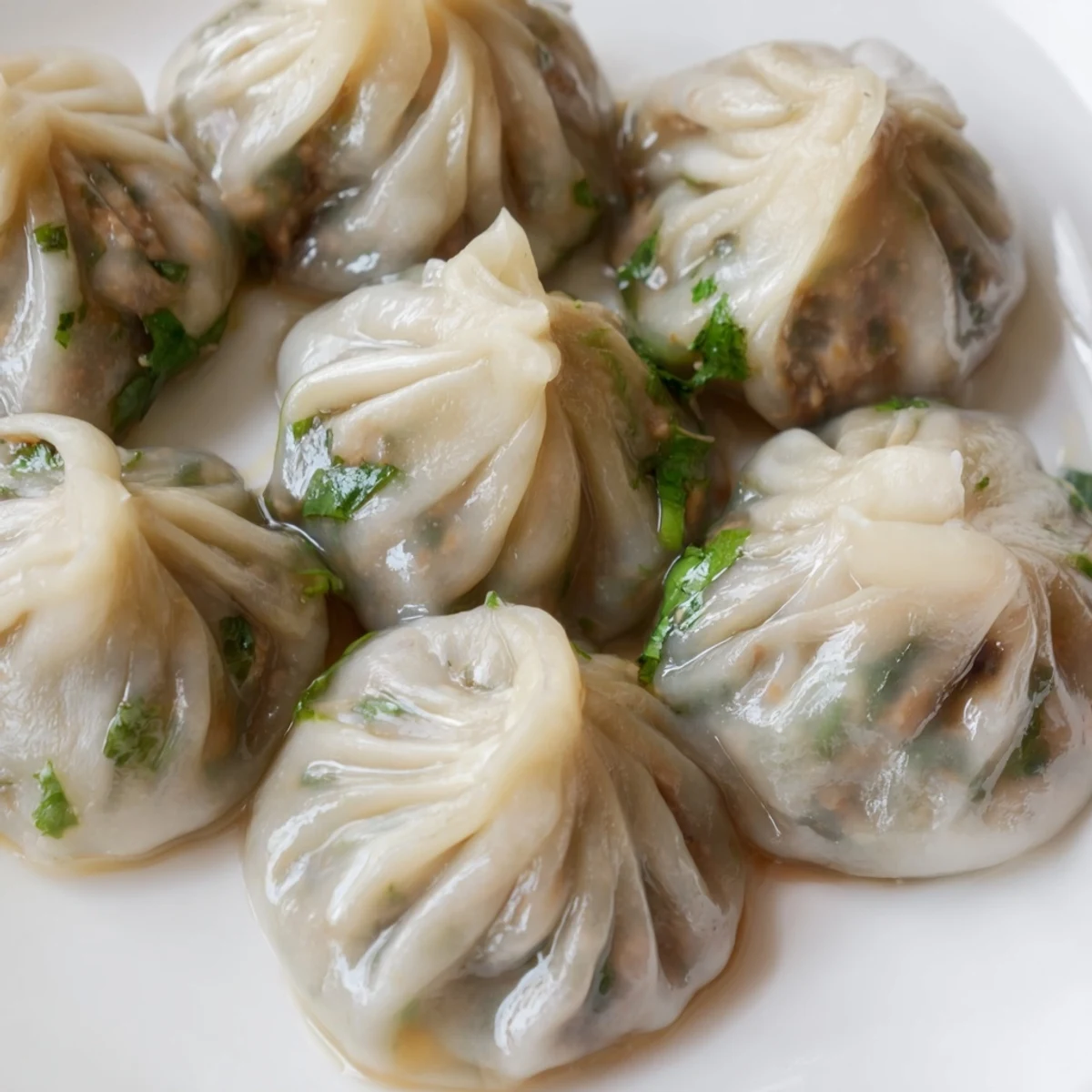
Save Create these beloved Himalayan dumplings with tender wrappers and flavorful fillings. The traditional meat version combines ground chicken or pork with aromatic ginger, garlic, and warm spices like cumin and coriander. Vegetarians can enjoy crumbled tofu with cabbage and carrots. The key lies in kneading smooth, elastic dough and mastering the pleating technique. Steam for 10-12 minutes until translucent and serve with a zesty charred tomato sauce seasoned with sesame and fresh herbs.
My friend Bina invited me over for what she called a little dumpling gathering, and I walked into her tiny kitchen to find four of us crowded around a flour-dusted table, hands moving in this rhythmic pleating motion I couldnt quite grasp. She showed me how to fold the edges, laughing when my first three attempts looked more like crumpled napkins than proper momos. By the time we sat down to eat, I had flour in my hair and a newfound appreciation for the art of wrapping.
Last winter during a snowstorm, I made a double batch and my roommate sat at the counter watching the steamer, pulling them out as soon as they were done and burning her fingers every single time because she couldnt wait. We stood there eating off paper towels, dipping the momos into that spicy red sauce, steam rising between us as the snow piled up outside the window.
Ingredients
- All-purpose flour: Creates that tender yet sturdy wrapper that holds up during steaming while remaining pillowy soft
- Ground meat or crumbled tofu: The foundation of your filling, absorbing all those aromatics and spices
- Fresh ginger and garlic: These two are non negotiable for that authentic Nepali flavor profile
- Green onions and cilantro: Fresh herbs that brighten the rich filling and add pops of color
- Soy sauce and spices: Cumin and coriander ground together create that warm earthy backbone
- Roma tomatoes for charring: Charring them over an open flame gives the dipping sauce its signature smoky depth
Instructions
- Make the dough and let it rest:
- Mix flour and salt in a large bowl, gradually adding water until you have a smooth elastic dough that bounces back when pressed. Cover it and walk away for at least 30 minutes because this rest period is what makes the dough easier to roll and less likely to tear.
- Mix your filling:
- Combine your chosen protein with onions, garlic, ginger, herbs, and spices in a bowl. Mix thoroughly until everything is evenly distributed and the mixture starts to feel sticky which helps it hold together inside the dumplings.
- Roll and wrap like a pro:
- Divide the dough into 24 small balls and roll each into a thin circle about 3 inches across, keeping the edges slightly thinner than the center. Place a tablespoon of filling in the middle, then fold and pleat the edges together, working your way around until sealed tight.
- Steam until perfect:
- Line your steamer basket with oiled parchment or give it a light coating of oil, then arrange the momos so they are not touching. Steam over boiling water for 10 to 12 minutes until the dough is translucent and cooked through and the filling is hot.
- Blaze the sauce:
- Char your tomatoes directly over a gas flame or under the broiler until the skins blister and blacken in spots. Peel them and blend with chilies, garlic, ginger, sesame seeds, cilantro, and lemon juice until smooth, then adjust salt and heat to taste.
 Save
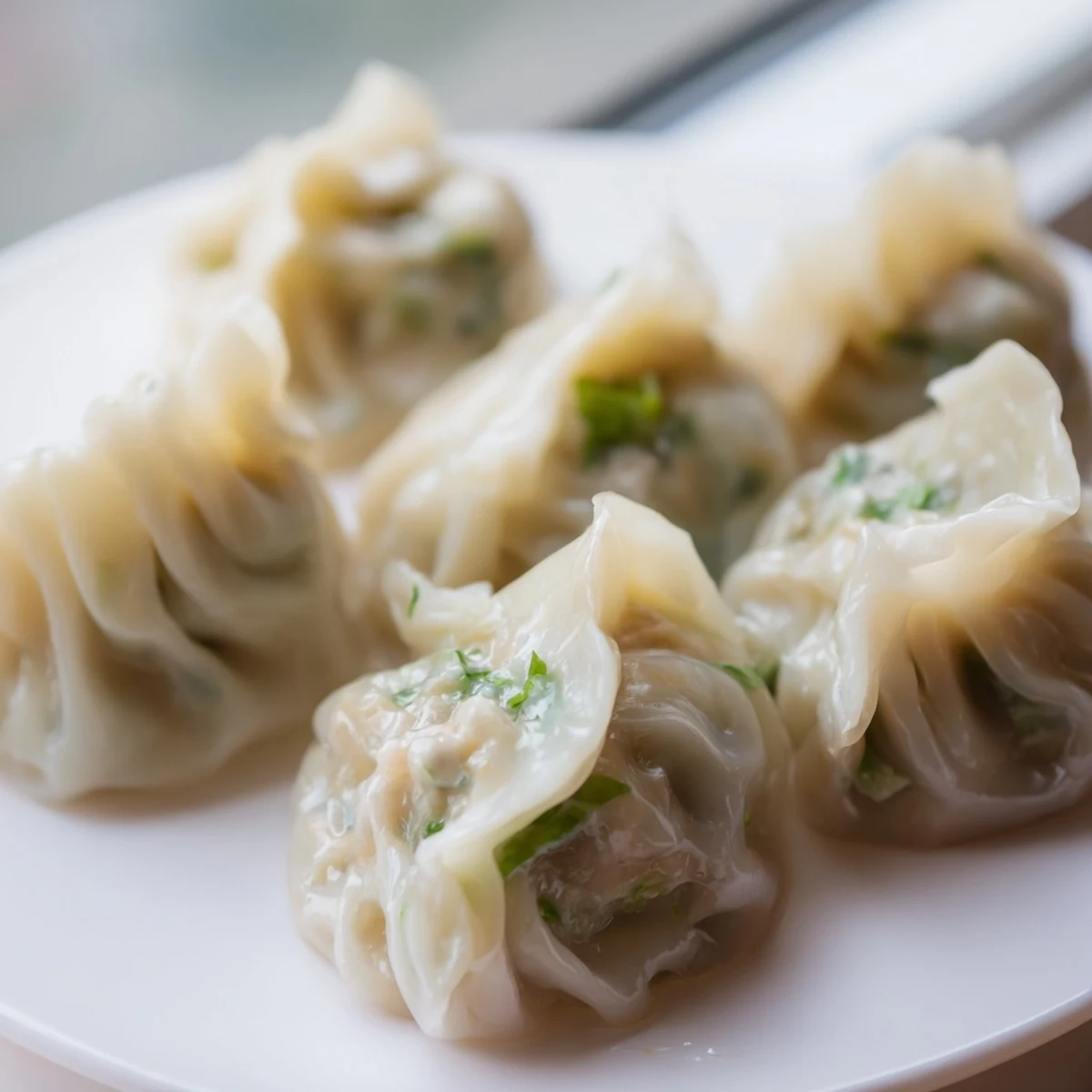
Save I made these for my parents anniversary and my dad who claims he does not like dumplings ended up eating eight of them, standing by the steamer like he was guarding it from the rest of us. Now every time they visit, the first thing my mom asks is whether I have the ingredients for momo night.
Mastering the Pleat
The trick I learned after many crumpled attempts is to keep one hand stationary while using the other to fold small sections of dough over and press them together. Your first few will look awkward and that is completely normal, but by the time you reach the fifth or sixth one, your fingers will start developing that muscle memory.
Freezing for Later
Place unsteamed momos on a baking sheet in the freezer until firm, then transfer them to a freezer bag. They can go straight from the freezer to the steamer, just add a couple extra minutes to the cooking time, which makes them perfect for those nights when you want comfort food without all the work.
Getting the Steam Right
Make sure your water is at a full rolling boil before you add the dumplings, and resist the urge to lift the lid too often. Every time you peek, you release the steam and extend the cooking time, so trust the process and let them work their magic in that enclosed steam environment.
- A drop of sesame oil brushed on the steamer basket keeps momos from sticking without affecting the flavor
- If your filling seems too wet, add a tablespoon of breadcrumbs or crushed cornflakes to bind it
- Let steamed momos rest for one minute before removing them so they firm up slightly
 Save
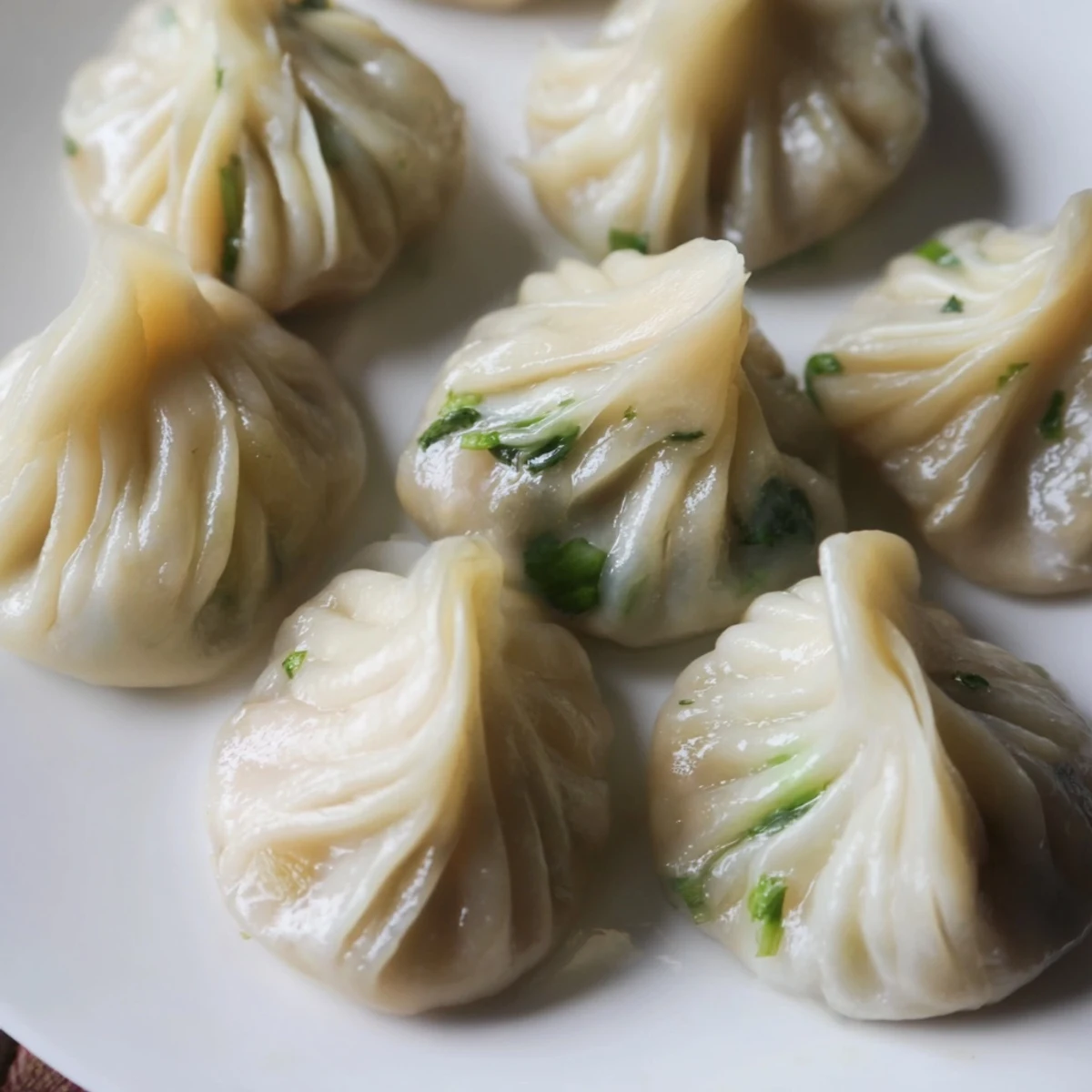
Save There is something almost meditative about standing at the counter, folding dumpling after dumpling while the pot of water comes to a boil behind you. Whether you are cooking for a crowd or just yourself, these little packages of spiced joy have a way of turning any evening into something special.
Recipe Q&A
- → What makes momo different from other dumplings?
-
Momo features distinct spices like cumin, coriander, and fresh ginger-garlic paste. The dough is typically thinner and more elastic than Chinese dumplings, and the signature charred tomato dipping sauce sets it apart with smoky, tangy flavors.
- → Can I freeze uncooked momos?
-
Yes, arrange shaped momos on a baking sheet and freeze until firm. Transfer to airtight bags and store for up to a month. Steam directly from frozen, adding 2-3 minutes to cooking time.
- → How do I prevent momos from sticking?
-
Lightly oil your steamer basket or line with parchment paper. Leave space between each dumpling so they don't touch during steaming. The cooked surface should be smooth and glossy.
- → What's the secret to juicy filling?
-
Don't overwork the meat mixture, keep ingredients cold before mixing, and consider adding a small cube of butter inside each dumpling. The steam creates natural juices within the sealed wrapper.
- → Can I make momo without a traditional steamer?
-
Use a metal colander set over a pot of boiling water, covered with a tight-fitting lid. Alternatively, place a heatproof plate on a trivet inside a large pot with an inch of water.
- → How do I know when momos are cooked?
-
The wrapper becomes translucent and slightly glossy. Touch the surface—it should feel dry and firm, not sticky. The filling should be hot throughout, which takes about 10-12 minutes.