
 Save
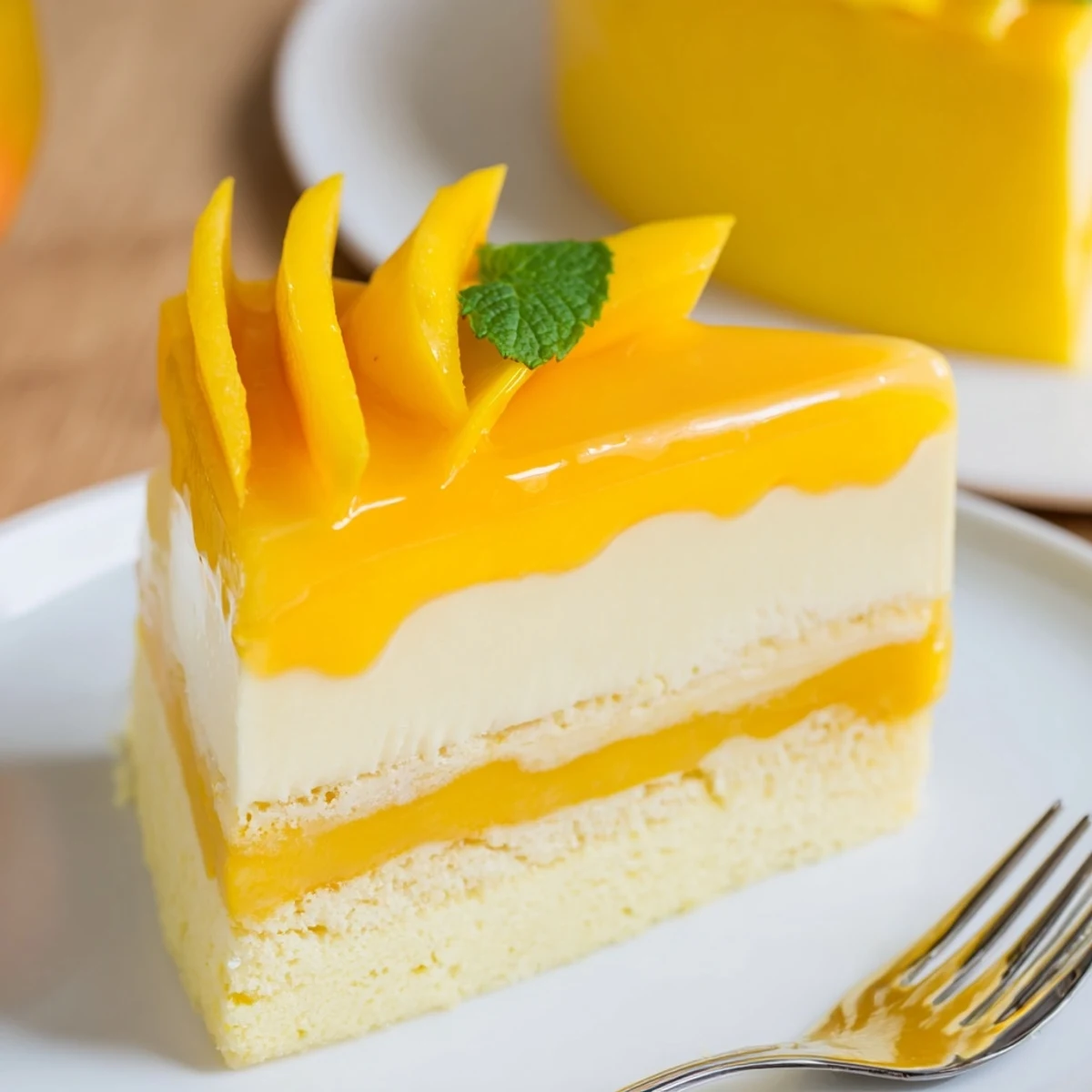
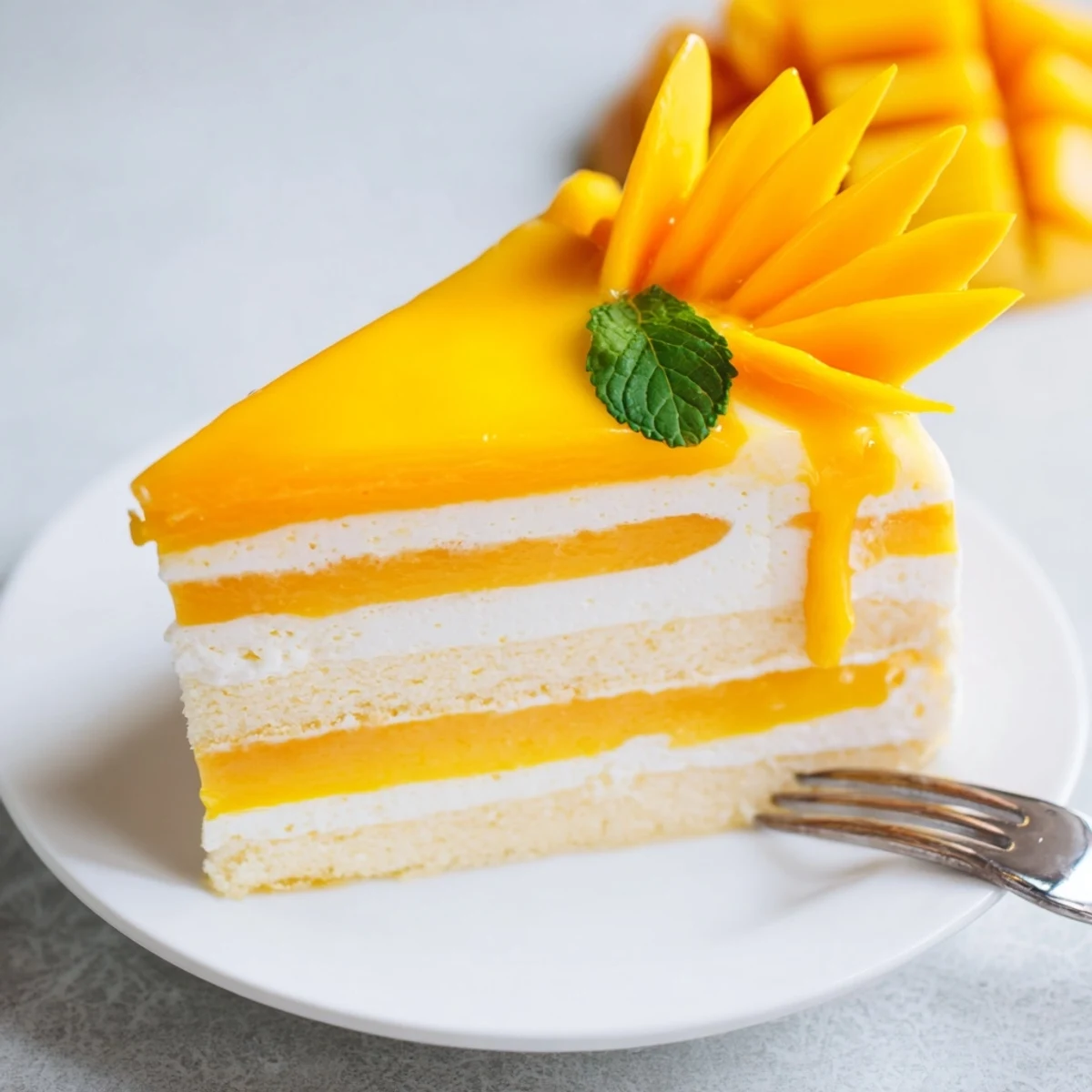
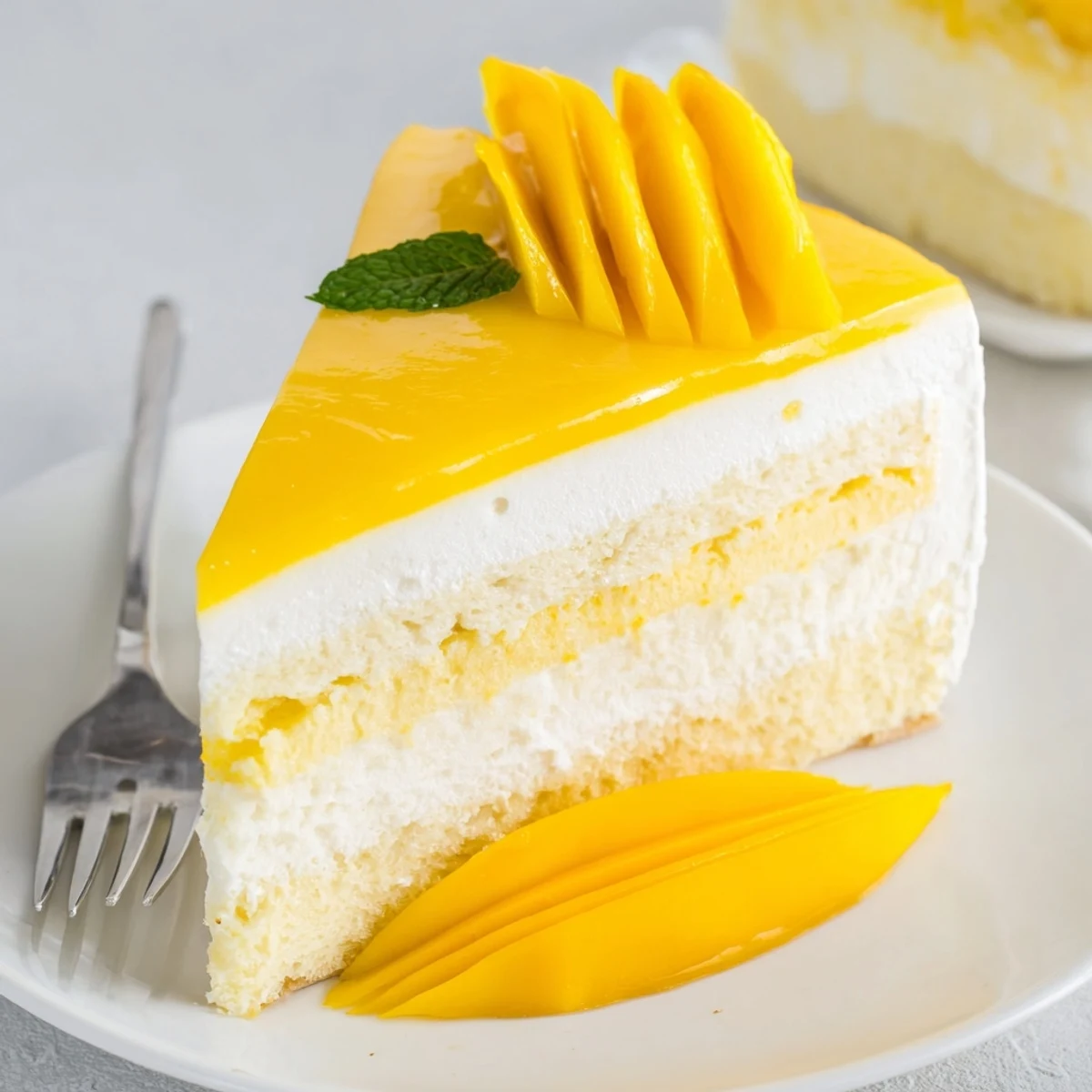
Save This elegant mango mousse cake combines three delightful layers: a tender vanilla sponge base, a cloud-like mango mousse filling, and a mirror-like glossy mango glaze on top. The result is a refreshing dessert that perfectly balances sweetness with the tropical tang of fresh mangoes. Each slice delivers a beautiful contrast of textures—soft, creamy, and smooth—making it an impressive centerpiece for summer gatherings, birthdays, or dinner parties.
The preparation involves creating a classic sponge cake, whipping up a silky mango mousse with fresh puree and cream, then finishing with a jewel-toned glaze. While it requires chilling time to set properly, the hands-on work is straightforward and rewarding. The finished cake stays fresh in the refrigerator for days, allowing you to prepare it ahead of time for stress-free entertaining.
The first time I attempted a mango mousse cake, it was for my sister's birthday and I was absolutely terrified of working with gelatin. Something about that transformation from granules to silky smooth suspension felt like kitchen alchemy beyond my skill level. But when that first slice revealed those gorgeous layers and my sister took that first bite and went completely silent, I knew I'd stumbled onto something special. Now I make it every summer and somehow the gelatin anxiety has completely vanished.
Last summer I brought this cake to a pool party and honestly forgot about it in the fridge until dessert time. The host had ordered a bakery cake that nobody touched once they saw my mango creation shining under the patio lights. Suddenly everyone was asking for the recipe and taking photos, and I had to quietly admit it was my first successful attempt after two previous failures.
Ingredients
- 3 large eggs at room temperature: Temperature matters here cold eggs will not achieve that proper volume no matter how long you beat them
- 90 g granulated sugar: This precise amount sweetens the sponge without making it overly sweet since the mousse will bring plenty of sweetness
- 90 g allpurpose flour: Regular flour works perfectly but measure by weight for the most consistent tender crumb
- 1/2 tsp vanilla extract: Adds that warm background note that makes the sponge feel homemade and special
- Pinch of salt: Just enough to brighten all the flavors without making anything taste salty
- 400 g ripe mango flesh: Use mangoes that yield slightly when pressed underripe ones will not have that fragrant tropical intensity
- 60 g granulated sugar: Adjust this based on your mango sweetness some mangoes need more than others
- 2 tbsp lemon juice: This brightness is absolutely essential it keeps the mango mousse from tasting cloyingly sweet
- 1 tbsp unflavored gelatin powder: Blooms in cold water and melts with gentle heat do not let it boil or it loses setting power
- 300 ml heavy cream cold: Must be very cold to whip properly and fold without deflating the mixture
- 150 g mango puree: Strain this through a fine mesh for the silkiest glaze possible
- 1 tbsp lemon juice: Adds needed acidity to balance the sweetness of the glaze
- 1 tbsp granulated sugar: Just enough to give the glaze body and shine without making it too sweet
- 1.5 tsp unflavored gelatin powder: This smaller amount creates that perfect jelly like finish that sets but still quivers beautifully
- Fresh mango slices and mint leaves: Purely for visual impact but that pop of green against golden mango makes it look professional
Instructions
- Preheat your oven and prepare the pan:
- Set your oven to 180C and line just the bottom of a 23cm springform pan with parchment paper do not grease the sides.
- Whip the eggs and sugar:
- Beat eggs and sugar with an electric mixer until pale yellow and tripled in volume about 5 minutes this creates the sponge structure.
- Fold in the dry ingredients:
- Gently fold in flour salt and vanilla just until combined some streaks are better than overworking and deflating the batter.
- Bake the sponge:
- Pour into the prepared pan and bake 12 to 15 minutes until a toothpick comes out clean then let cool completely in the pan.
- Bloom the gelatin for the mousse:
- Sprinkle 1 tbsp gelatin over 3 tbsp cold water let it sit 5 minutes then gently heat until completely dissolved.
- Prepare the mango base:
- Blend mango puree sugar and lemon juice until completely smooth then stir in the dissolved gelatin.
- Whip the heavy cream:
- Whip cold cream to soft peaks then gently fold into the mango mixture until no white streaks remain.
- Set the mousse layer:
- Pour the mousse over the cooled sponge smooth the top and refrigerate at least 2 hours until completely set.
- Make the glossy glaze:
- Bloom 1.5 tsp gelatin in 2 tbsp cold water heat to dissolve then stir into mango puree lemon juice and sugar.
- Add the final glaze layer:
- Let the glaze cool to room temperature then pour over the set mousse and chill 2 more hours until firm.
- Release and decorate:
- Run a warm knife around the pan edge unlock the springform and top with fresh mango slices and mint if desired.
 Save
Save My friend who claims she does not like mango desserts took one bite and asked if I could make this for her wedding next year. Something about the combination of that tender vanilla sponge with the intensely mango mousse just won her over completely. Now whenever mango season comes around I get that text asking if the cake is happening again soon.
Making It Ahead
This cake actually improves after a night in the fridge as all the layers settle into each other and flavors meld together. I have made it two days ahead and it stayed absolutely perfect covered in the refrigerator.
Mango Selection Secrets
The best mangoes for this recipe are Ataulfo or Champagne varieties they are sweeter less fibrous and have that gorgeous deep yellow color. Regular Tommy Atkins mangoes work but may need extra sugar and the texture will be slightly less smooth.
Serving And Storing
Always serve this cake very cold straight from the refrigerator for the cleanest slices and best texture. Use a sharp knife dipped in hot water and wiped clean between each slice for those restaurant quality portions.
- Dip your knife in hot water and wipe it clean between every single slice
- The cake keeps perfectly for 3 days in the refrigerator covered loosely
- Let slices sit at room temperature for 5 minutes before serving for optimal texture
 Save
Save There is something deeply satisfying about serving a dessert that looks this impressive but was built in simple stages over one lazy afternoon. Every slice is a little celebration of summer sunshine.
Recipe Q&A
- → Can I use frozen mango instead of fresh?
-
Yes, you can substitute high-quality frozen mango chunks for fresh mangoes. Thaw them completely and drain any excess liquid before pureeing. Frozen mango works well in both the mousse and glaze layers, though fresh mango may have a slightly brighter flavor profile.
- → How long does the mango mousse cake need to chill?
-
The complete chilling process takes approximately 4 hours. The mango mousse layer needs at least 2 hours to set firmly in the refrigerator. After adding the mango glaze, chill for an additional 2 hours until the glaze is firm and set. For best results, you can make the entire cake the day before serving.
- → Can I make this dessert gluten-free?
-
Absolutely! Simply replace the all-purpose flour in the sponge base with a high-quality gluten-free flour blend. The rest of the ingredients—mango puree, cream, gelatin, sugar, and eggs—are naturally gluten-free, making this an easy adaptation for those with gluten sensitivities.
- → How do I store the mango mousse cake?
-
Store the finished cake in the refrigerator, covered loosely with plastic wrap or in an airtight container. It will keep well for 3-4 days when properly chilled. The texture remains creamy and the glaze stays glossy. Avoid freezing, as the mousse texture may become grainy when thawed.
- → What can I use instead of gelatin?
-
Gelatin provides the essential structure for both the mousse and glaze layers. While agar-agar can be substituted, it requires different proportions and may result in a slightly firmer texture. For best results with this specific technique, gelatin powder or sheets are recommended to achieve the proper consistency.
- → Can I make individual portions instead of one large cake?
-
Yes, you can adapt this dessert into individual servings. Use small glasses, ramekins, or silicone molds to create personal mango mousse cakes. The assembly process remains the same, but chilling time may be slightly reduced due to smaller portions. This presentation is elegant for dinner parties.