
 Save
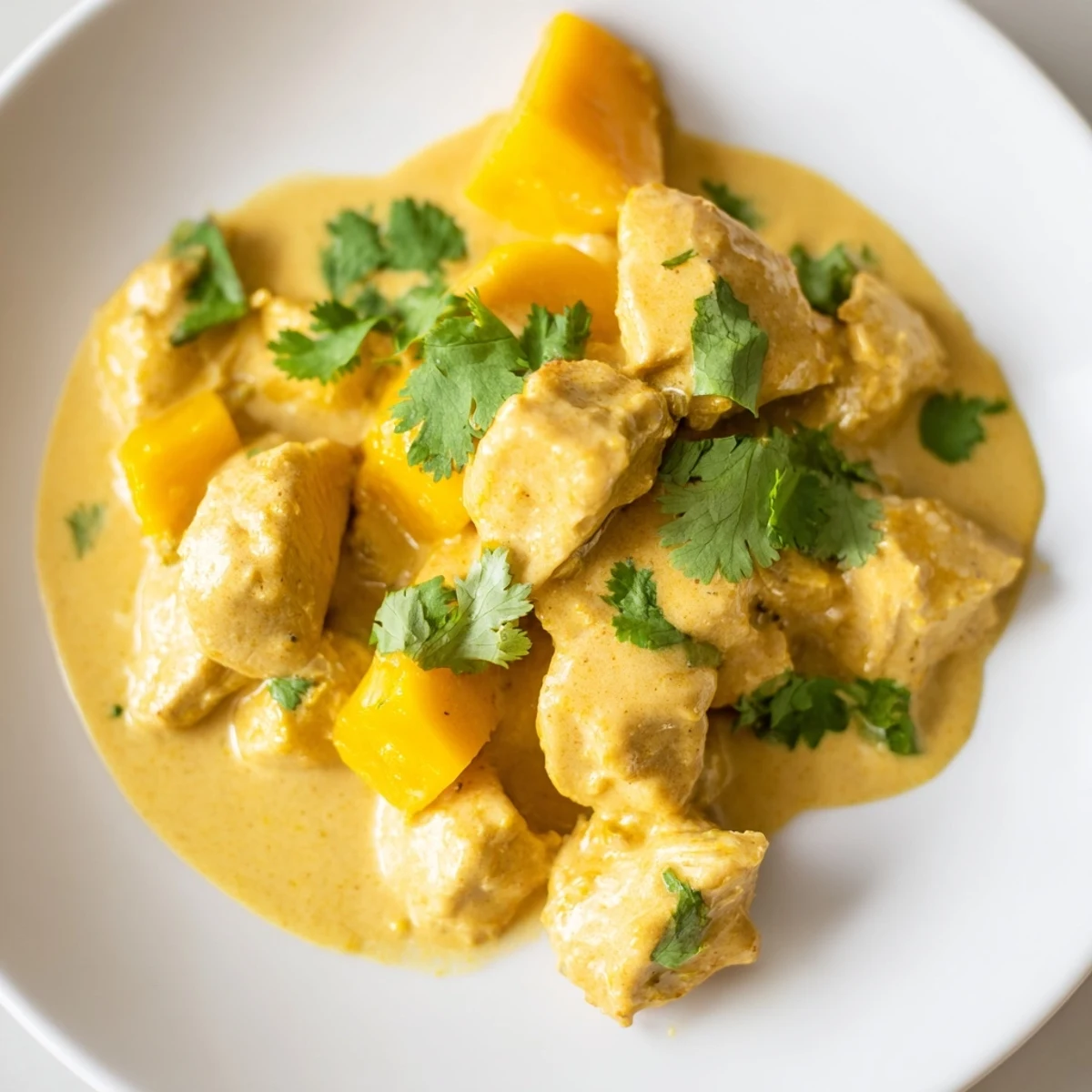
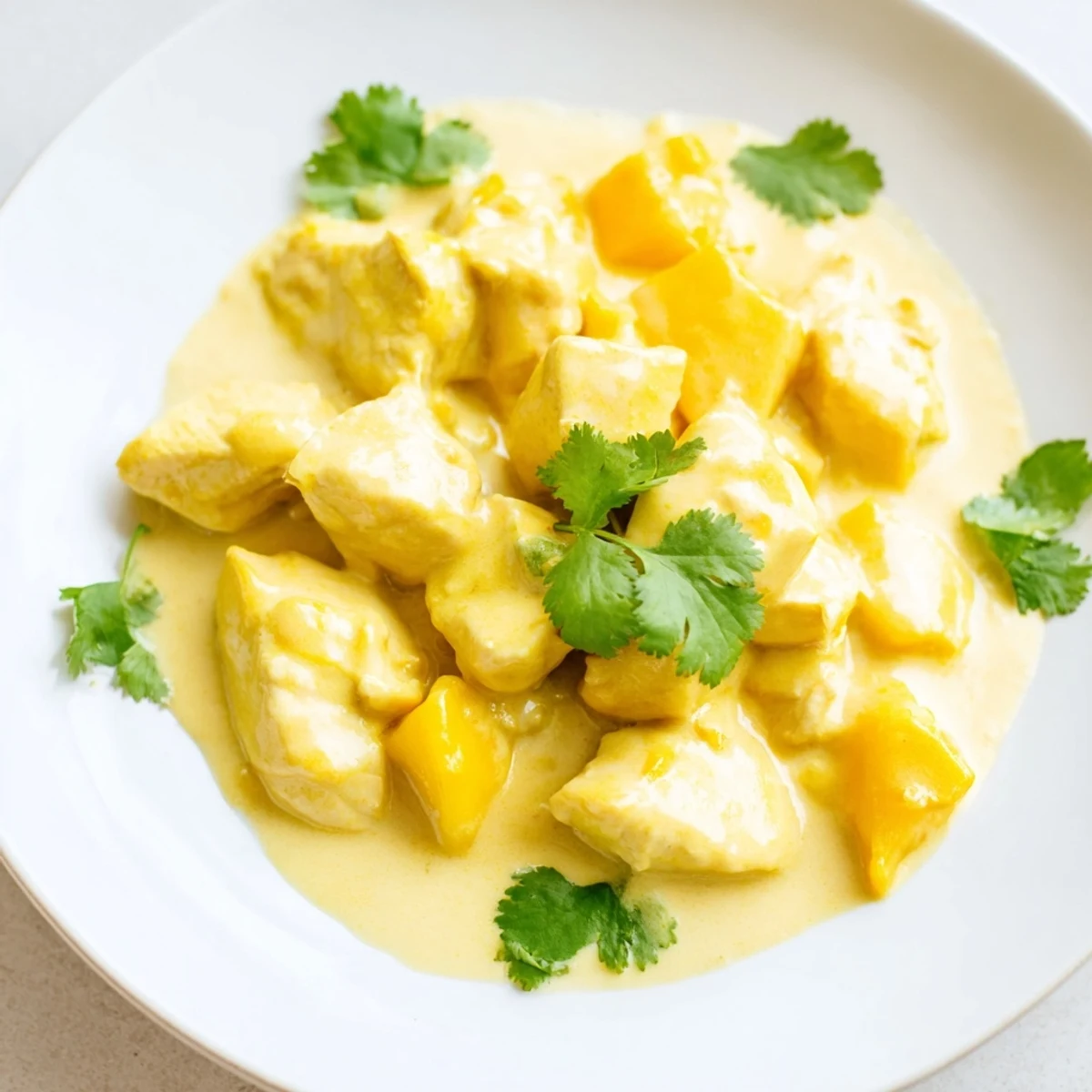
Save This vibrant curry combines tender chicken with a rich, creamy mango and coconut sauce infused with warming spices. The dish balances sweetness from ripe mango with savory notes from aromatic spices, creating a tropical twist on classic comfort food. Perfect for weeknight dinners or special occasions, this gluten-free and dairy-free dish pairs beautifully with basmati rice or naan.
The first time I made mango curry, I stood in my kitchen absolutely convinced I'd ruined dinner. The mango I'd bought was firmer than I expected, and I worried it wouldn't blend into that silky sauce everyone promised. But somewhere between the smell of toasted cumin hitting hot oil and that first taste of the finished dish, I realized mango curry isn't about perfection.
I served this at a small dinner party last summer when the heat outside made heavy comfort food feel wrong. My friend Sarah took one bite and actually stopped talking for a full minute, which for her is basically a standing ovation. Now she requests it every time she comes over, especially on rainy evenings when something tropical feels like rebellion against the weather.
Ingredients
- Chicken thighs: I've learned the hard way that thighs stay juicy while breast dries out in this sauce, so don't swap them unless you absolutely must
- Yogurt marinade: The acidity here does double duty tenderizing the meat and helping those spices really sink in
- Ripe mango: Look for fruit that gives slightly when you press it, with a fragrant smell at the stem end
- Coconut milk: Full fat makes the sauce luxurious, but light coconut milk works if you're watching the richness
- Tomato paste: This tiny addition grounds the mango sweetness and gives the sauce its gorgeous deep orange color
Instructions
- Marinate the chicken:
- Toss the chicken pieces with yogurt, lemon juice, turmeric, and salt until everything's well coated. Let it sit for at least 15 minutes while you prep everything else, though an overnight marinade in the fridge makes the flavors even better.
- Build the aromatics:
- Heat your oil over medium heat and cook the onions until they're soft and golden, about 5 minutes. Stir in the garlic and ginger for just a minute until you can really smell them, watching carefully so they don't burn.
- Toast the spices:
- Add the cumin, coriander, garam masala, and chili powder to the pan, stirring constantly for about a minute. You'll know they're ready when the fragrance suddenly blooms and fills your entire kitchen.
- Brown the chicken:
- Add the marinated chicken to the pot, letting it cook until it's lightly browned on all sides. This takes about 5 minutes and develops the deep flavor base that makes this curry special.
- Simmer into sauce:
- Pour in the mango puree, coconut milk, and tomato paste, then bring everything to a gentle bubble. Lower the heat, cover, and let it simmer for 15 to 20 minutes until the chicken is cooked through and the sauce has thickened enough to coat a spoon.
 Save
Save This curry has become my go-to when I want to feed people something that feels special but doesn't require me to be attached to the stove all evening. There's something about the combination of tropical sweetness and warming spices that makes everyone at the table slow down and really enjoy their food.
Choosing Your Mango
I've made the mistake of using underripe mango more times than I care to admit. The sauce ends up tart and never quite achieves that lush creaminess you're looking for. A ripe mango should smell fragrant at the stem end and yield slightly to gentle pressure. If you can only find firm ones, let them sit on the counter for a couple days before making this recipe.
Making It Your Own
Sometimes I add bell peppers or spinach during the last few minutes of cooking when I want to bulk up the vegetables. I've also thrown in a handful of cashews for crunch, and once I even stirred in some tamarind paste when I wanted extra tang. The base recipe is forgiving enough that you can play with it once you've made it a few times.
Serving Suggestions
Basmati rice is classic, but I've served this over cauliflower rice for a lighter version that still feels substantial. Naan bread is essential for soaking up every last drop of that sauce. My kids actually eat this curry when I serve it with roti, tearing pieces off to scoop up the chicken and mango sauce.
- Make extra rice the next day because the sauce reheats beautifully for lunch
- A simple cucumber raita on the side helps balance the heat if you went heavy on the chili
- Squeeze fresh lime over each bowl right before eating to wake up all the flavors
 Save
Save There's something about mango chicken curry that turns a regular Tuesday dinner into a tiny vacation. The way the sweet mango mingles with those warming spices feels like sunshine on a plate, even when it's cold and gray outside.
Recipe Q&A
- → What type of mango works best for this curry?
-
Ripe but firm mangoes work best as they provide the perfect balance of sweetness and texture. Avoid overripe mangoes as they may make the sauce too watery. If fresh mango isn't available, canned mango puree is a great substitute.
- → Can I use chicken breast instead of thighs?
-
Yes, you can substitute chicken breast for thighs, but you'll need to adjust the cooking time. Chicken breast cooks faster and can become dry, so reduce the simmering time to 10-15 minutes instead of 15-20 minutes.
- → How can I make this curry spicier?
-
For extra heat, increase the chili powder to 1 teaspoon or add fresh green chilies. You can also add a pinch of cayenne pepper or use a spicier garam masala blend. Taste the sauce as it simmers and adjust seasonings accordingly.
- → Is this curry suitable for meal prep?
-
Absolutely! This curry reheats well and can be stored in the refrigerator for up to 3 days. The flavors actually develop more depth when allowed to sit overnight. Just reheat gently on the stovetop or in the microwave before serving.
- → What's the best way to serve this curry?
-
This curry pairs beautifully with steamed basmati rice or warm naan bread. For a complete meal, add a side of raita (yogurt cucumber salad) or a fresh green salad. The creamy sauce also works well with quinoa or cauliflower rice for a lighter option.