
 Save
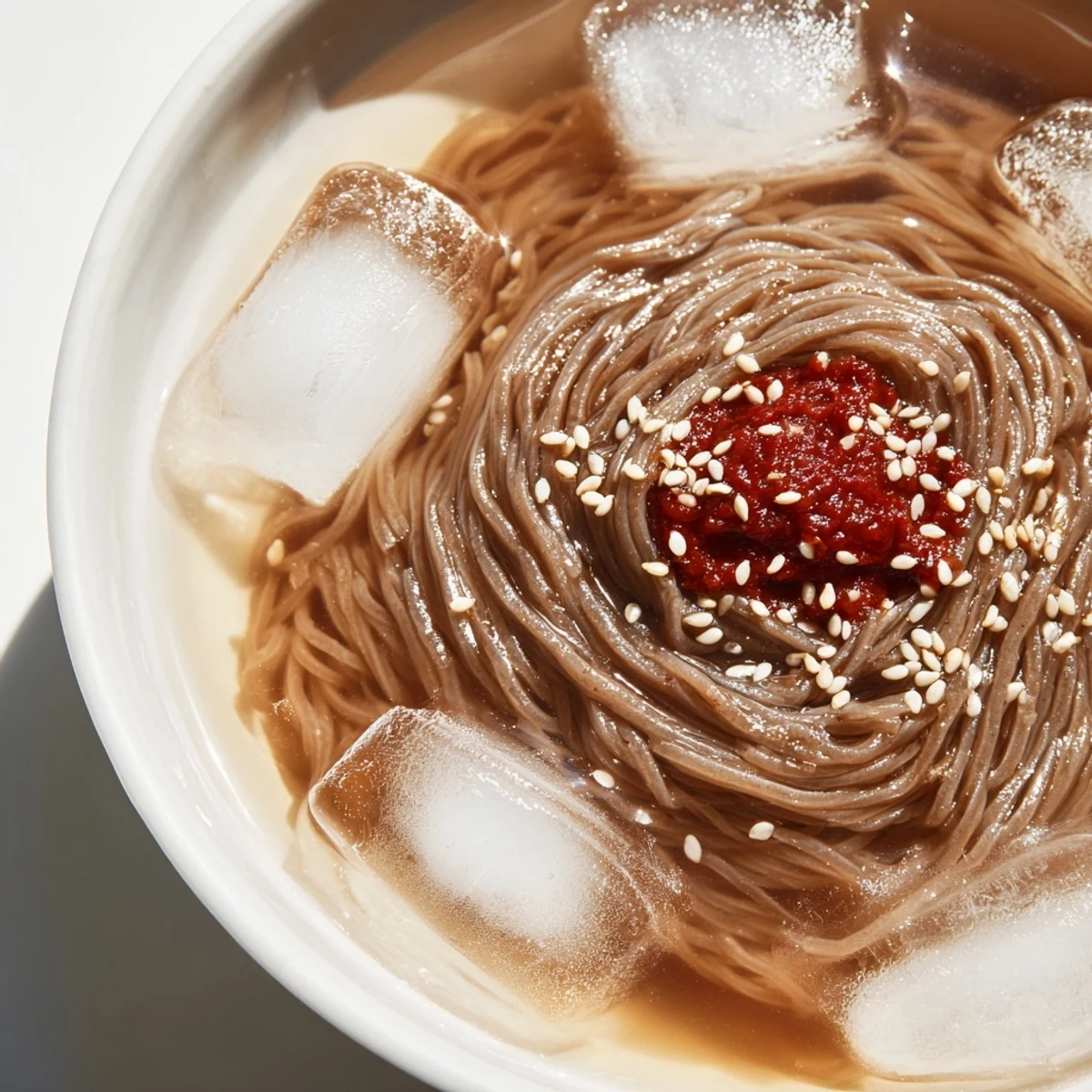
Save Experience the refreshing sensation of authentic Korean naengmyeon, featuring springy buckwheat noodles submerged in an ice-cold, tangy beef broth. This beloved summer dish combines the perfect balance of sweet, sour, and savory flavors, topped with crisp cucumber slices, sweet Asian pear, tender beef brisket, and creamy hard-boiled eggs. The secret lies in serving everything thoroughly chilled, with ice cubes added to maintain that signature refreshing temperature that makes this dish so invigorating.
The first time I encountered naengmyeon was at a bustling Korean restaurant in mid-July, when the air conditioning had quit and every table was fanning themselves with menus. When this icy bowl arrived, steam literally rising from the cold, I watched in fascination as the waiter used scissors to cut through the noodles. That first slurp was shocking—electrically tangy, impossibly chewy, and so refreshing it felt like someone had opened a window in my brain.
Last summer, I made a massive batch for a rooftop dinner party. My friend Sarah, whos notoriously picky about textures, took one skeptical bite and her eyes went wide. She ended up asking for thirds, and now she texts me every heatwave asking if Im making the cold noodles again.
Ingredients
- Beef broth: Homemade gives the best depth, but in a pinch, a quality low-sodium brand works perfectly fine
- Rice vinegar: This is the backbone of that signature tang—dont be tempted to swap it for other vinegars
- Naengmyeon noodles: Look for buckwheat-based ones in the Asian aisle, though soba makes an acceptable substitute
- Asian pear: Adds this incredible crisp sweetness that cuts through the vinegar beautifully
- Gochujang: Optional, but a small dollop transforms the whole bowl into something spicy and complex
Instructions
- Mix the chilled broth:
- Combine the beef broth, cold water, rice vinegar, sugar, soy sauce, sesame oil, and salt in a large bowl. Stir until the sugar completely dissolves, then pop it in the fridge to get icy cold
- Prep your toppings:
- Boil your eggs for exactly 10 minutes, then plunge them into ice water for easy peeling. Thinly slice your beef, cucumber, and Asian pear while keeping everything crisp and cold
- Cook and chill the noodles:
- Boil the noodles for 3-4 minutes until theyre chewy but not mushy, then drain and rinse under freezing cold water until theyre thoroughly chilled
- Assemble the bowls:
- Divide the noodles among four bowls, pour over that chilled broth, and arrange your toppings beautifully on top
- Add the finishing touches:
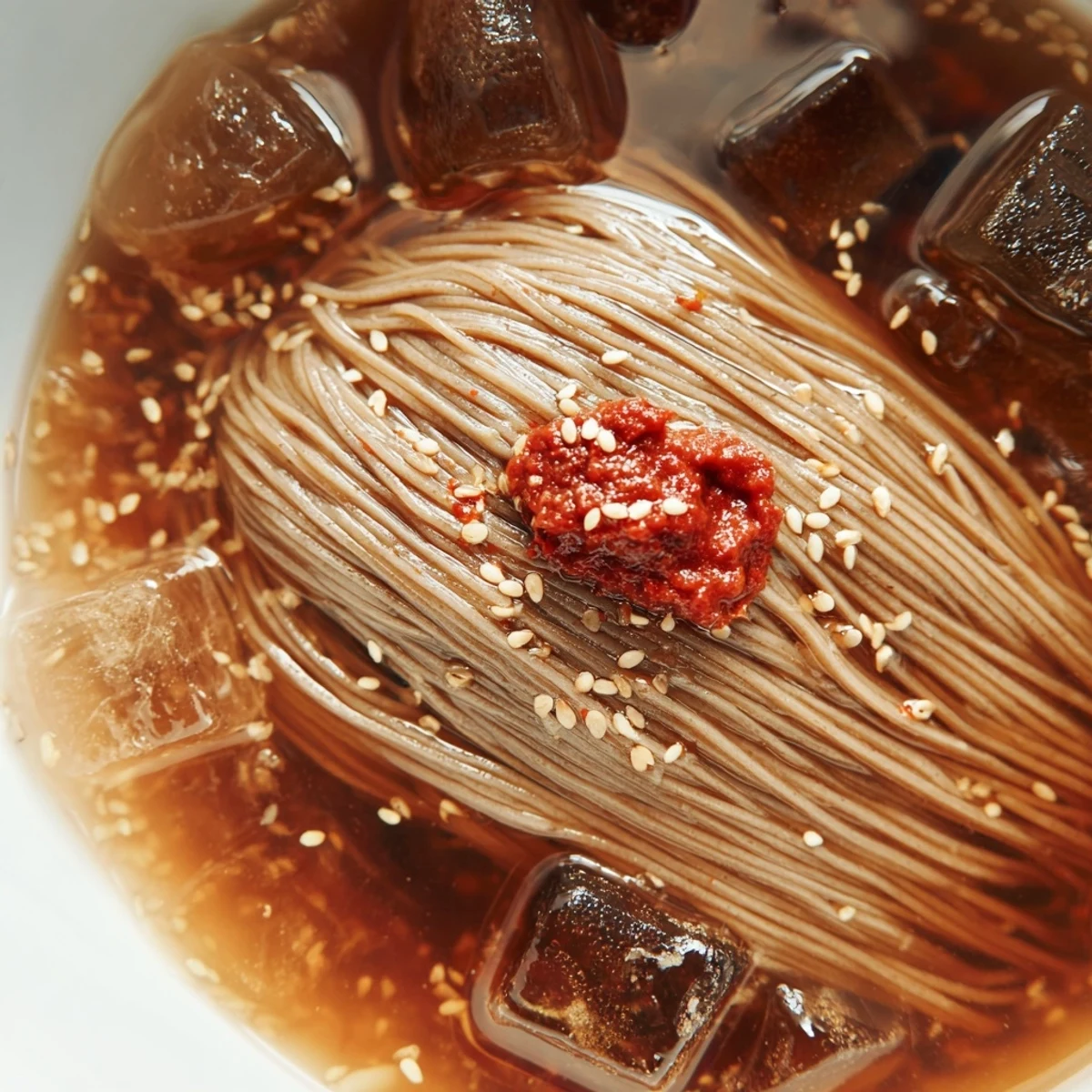
- Tuck in some ice cubes to keep everything extra cold, sprinkle with sesame seeds, and add gochujang if you want some heat
 Save
Save My Korean neighbor taught me to eat this with scissors on hand, cutting the noodles as you go. Theres something so satisfying about that snip sound against the clinking of ice in the bowl.
Making It Your Own
Ive played around with adding dongchimi brine when I can find it at the Korean market—that fermented radish water adds this incredible funky depth that takes the broth to another level entirely.
Serving It Right
Put out small bowls of extra vinegar and mustard at the table so everyone can adjust their bowl to taste. Some days I want mine face-puckeringly sour, other days I go lighter on the acid.
Texture Secrets
The contrast between the slippery noodles, crisp pear, and tender beef is what makes each bite exciting. I always slice everything as thinly as possible for that delicate mouthfeel.
- Dont skip the ice cubes—theyre not just for presentation
- If your noodles seem too sticky after rinsing, toss them with a tiny drop of sesame oil
- The broth actually tastes better after it sits for a few hours, so make it ahead
 Save
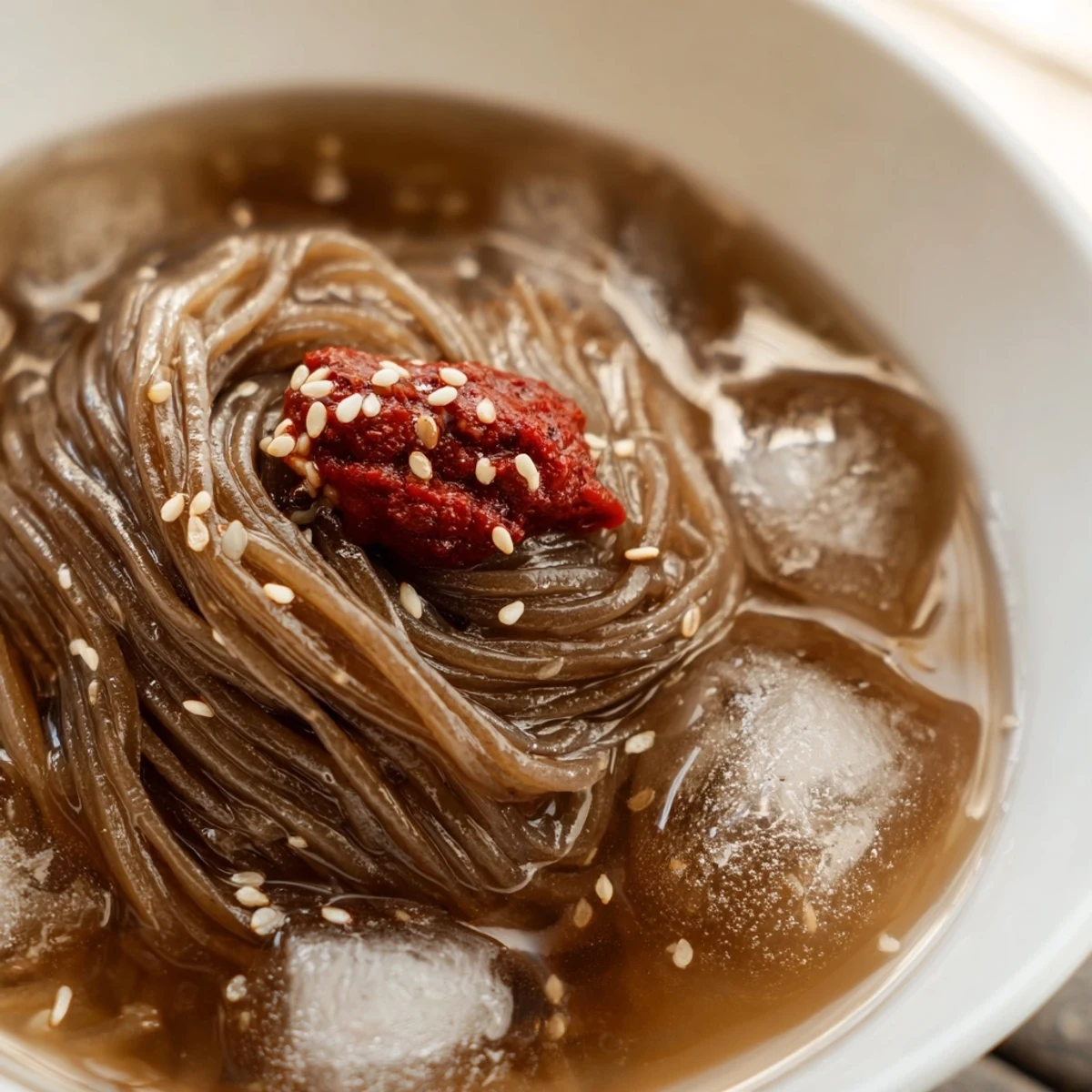
Save Theres something almost meditative about eating this—slurping cold noodles when sweat is still drying on your forehead feels like the ultimate summer reset.
Recipe Q&A
- → What makes naengmyeon noodles unique?
-
Naengmyeon noodles are made primarily from buckwheat and sweet potato starch, creating an exceptionally chewy and springy texture that holds up beautifully in cold broth. Unlike regular wheat noodles, they maintain their firm texture even when soaked in liquid.
- → Can I make this dish vegetarian?
-
Absolutely. Substitute the beef broth with a rich vegetable broth or shiitake mushroom stock for depth. Replace beef brisket with marinated tofu or additional vegetables like thinly sliced carrots and radishes.
- → How far in advance can I prepare the broth?
-
The broth actually benefits from being made 1-2 days ahead, allowing flavors to meld. Store it in an airtight container in the refrigerator, and keep it as cold as possible until serving time.
- → What's the proper way to eat naengmyeon?
-
Traditionally, you cut the long noodles with kitchen scissors before eating (they can be quite challenging to slurp whole). Mix everything together thoroughly, adding vinegar or mustard at the table to adjust the tanginess to your preference.
- → Can I use other noodles if I can't find naengmyeon?
-
Soba noodles made from buckwheat are the closest substitute and work well. For a gluten-free option, look for 100% buckwheat soba. The texture will differ slightly but still delivers a satisfying experience.
- → Why add ice cubes to the soup?
-
Ice cubes are essential for maintaining the bracing cold temperature that defines naengmyeon. As the ice melts, it also slightly dilutes the broth, creating a more delicate flavor profile while keeping the dish refreshingly cold until the last bite.