
 Save
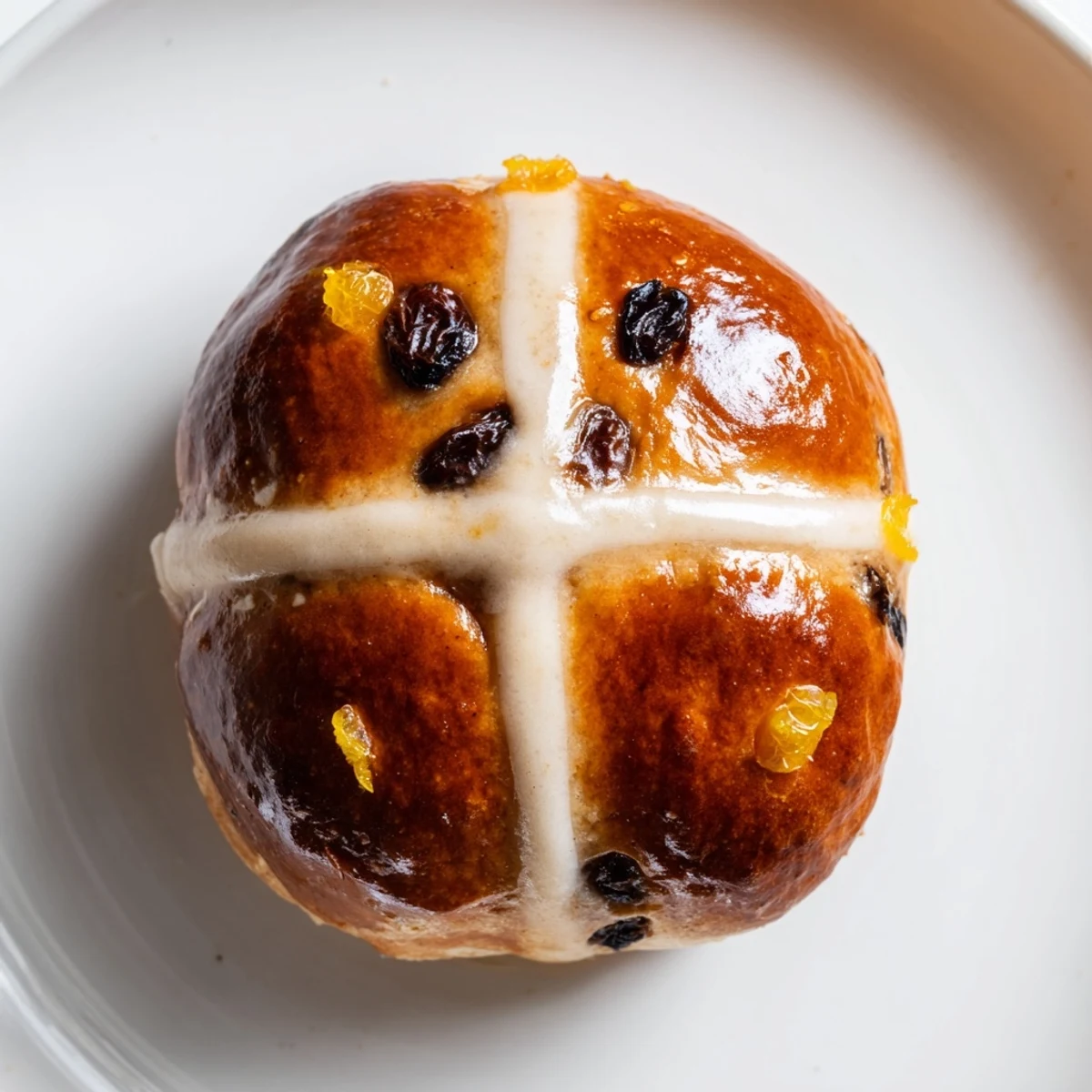
Save These soft hot cross buns are beautifully spiced with cinnamon, allspice, and nutmeg, filled with juicy currants and orange zest for a bright, fruity touch. The dough is enriched with butter, milk, and eggs to create a tender crumb. After rising twice, each bun is topped with a traditional flour cross and baked to a golden brown, then glazed with apricot jam for a shiny finish. Perfect for a comforting breakfast or special occasion, they offer delicious sweetness and warm spice in every bite.
My flatmate walked in at midnight last Holy Week to find me cross-legged on the kitchen floor, surrounded by twelve rising buns I'd refused to go to bed before finishing. Something about yeast working quietly in the dark feels like keeping company with an old friend who doesn't need to speak.
Last year I made double batches and delivered them still warm to neighbors, watching surprise crack open faces I'd only nodded to across the street. Food has this way of saying what we're too English to speak aloud.
Ingredients
- Bread flour: Higher protein content gives these buns their characteristic pillowy chew while still holding their shape beautifully
- Instant yeast: Skip the proofing step entirely, trusting this workhorse to deliver reliable rises every single time
- Ground cinnamon, allspice, and nutmeg: This trio creates that signature warmth that makes these buns unmistakably Easter
- Unsalted butter: Softened butter incorporates more evenly into the dough, creating tender crumbs that melt on your tongue
- Lukewarm whole milk: Temperature matters here, too hot kills your yeast, too cold makes it sluggish, aim for body temperature
- Orange zest: The oils in the zest brighten the spices and cut through the richness with fragrant citrus notes
- Currants: Smaller and more tart than raisins, they distribute evenly without overwhelming each bite
- Plain flour and water paste: Creates the iconic cross that stays distinct through baking without becoming tough or hard
- Apricot jam: The secret to that professional bakery shine, brushed on while the buns are still hot from the oven
Instructions
- Mix the foundation:
- Combine flour, sugar, yeast, spices, and salt in your largest bowl, whisking to distribute everything evenly before any wet ingredients touch the dry mix
- Build the dough:
- Add softened butter and orange zest first, rubbing them into the flour mixture before pouring in lukewarm milk and egg, stirring until shaggy and sticky
- Knead to development:
- Work the dough by hand or mixer for 8 to 10 minutes until it feels smooth, elastic, and slightly tacky but not clinging to your fingers
- Incorporate the fruit:
- Fold currants in gently at the end to avoid crushing them, distributing them throughout without overworking the gluten you've just developed
- First rise:
- Place dough in an oiled bowl, cover with a damp cloth, and let rise somewhere warm until doubled, about an hour, untouched and undisturbed
- Shape the buns:
- Turn dough onto a floured surface, divide into 12 equal pieces, and tuck edges underneath to form tight, smooth balls that will hold their shape
- Second rise:
- Arrange buns on parchment with space to expand, cover loosely, and let rise for 45 minutes until puffy and pressing against each other
- Preheat strategically:
- Heat your oven to 200°C while buns finish their second rise, so they bake immediately once risen, preserving all that precious lift
- Pipe the crosses:
- Mix flour and water into a thick paste, transfer to a piping bag, and draw steady crosses over each risen bun with confident, continuous strokes
- Bake to golden:
- Bake for 20 to 25 minutes until deeply golden on top, rotating the tray halfway through for even color and proper internal crumb development
- Glaze while hot:
- Warm apricot jam with water until loosened, brush generously over the buns immediately while they're still hot to create that signature glossy finish
- Cool completely:
- Let buns rest on a wire rack until cool to the touch, allowing the crumb to set before tearing into your first warm, fragrant bun
 Save
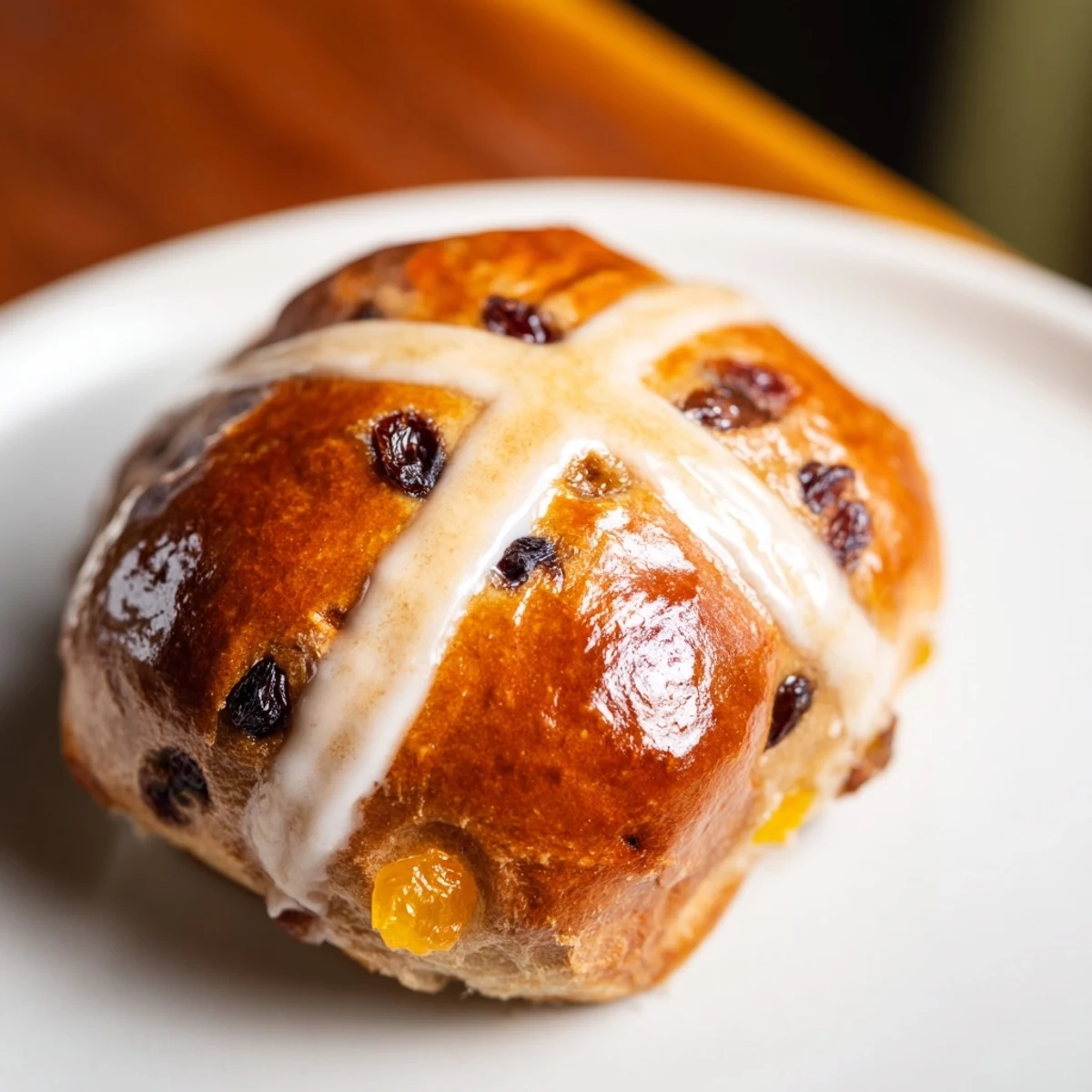
Save My grandmother claimed the crosses were meant to remind us that even something sweet carries its burdens, but I think she just liked how the pastry looked determined, like little soldiers standing at attention on the baking tray.
Making These Ahead
You can shape these buns completely after their first rise, then refrigerate them overnight on a baking tray, covered tightly. Let them come to room temperature and finish rising while your oven preheats the next morning.
Getting the Perfect Rise
Find the warmest spot in your kitchen, which might be atop your refrigerator or near a preheating oven. Drafts kill yeast activity, so protect your dough with a clean, damp towel that traps moisture without sagging.
Serving Suggestions
Split these while still slightly warm and slather with salted butter that melts into every crevice. The temperature contrast creates layers of texture you cannot achieve any other way.
- Toasted leftovers with clotted cream turn an already special morning into something almost ceremonial
- Try serving alongside sharp cheddar and apple slices for a savory sweet afternoon tea situation
- Day old buns make exceptional bread pudding, their spices already perfectly distributed throughout
 Save
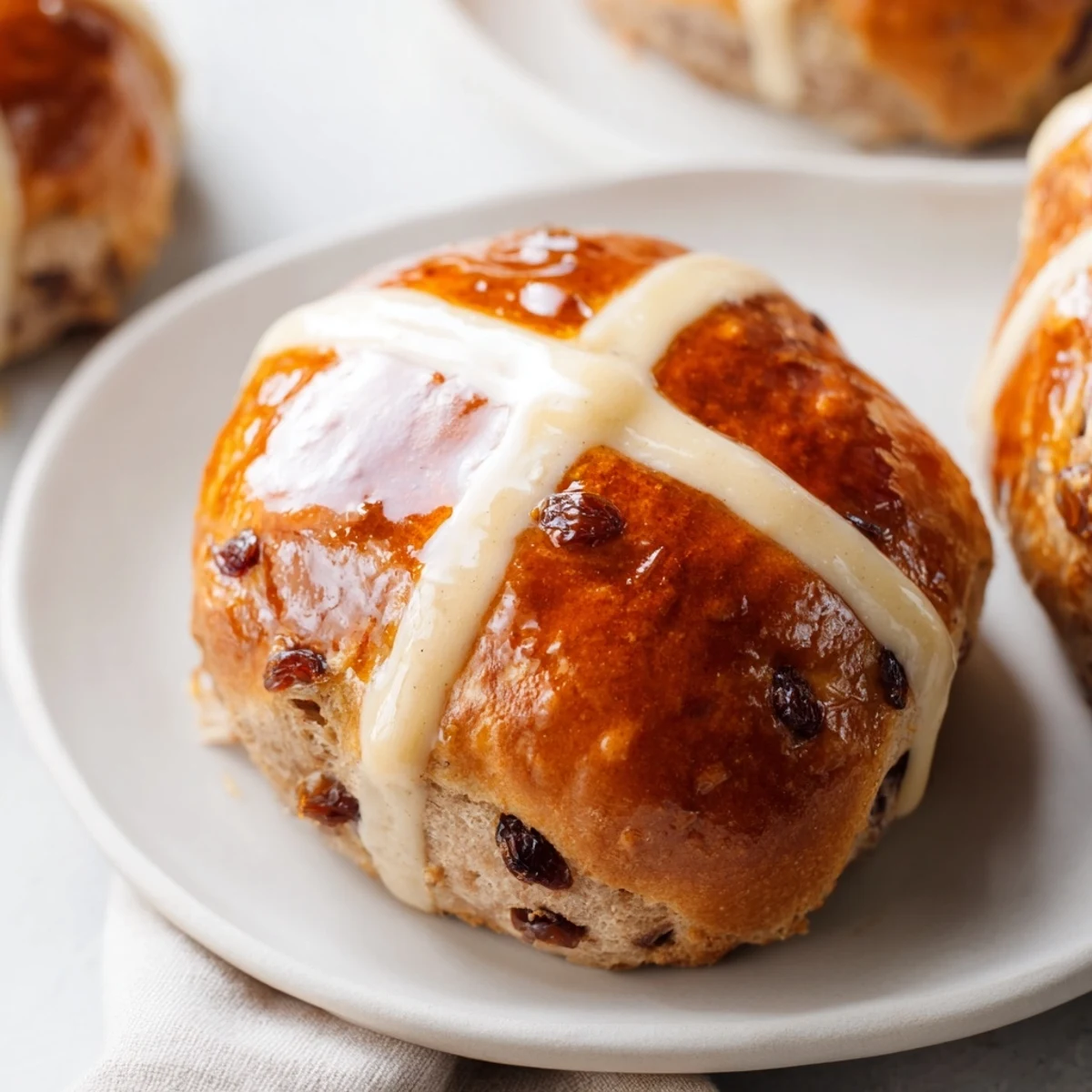
Save However you serve them, however rushed or ritualistic the occasion becomes, may your kitchen smell of cinnamon and possibility.
Recipe Q&A
- → What type of flour is best for these buns?
-
Bread flour is recommended for a chewier texture and better rise, but all-purpose flour can be used if needed.
- → Can I substitute currants with other dried fruits?
-
Yes, raisins or dried cranberries work well as alternatives, offering similar sweetness and texture.
- → How important is the rising time for the dough?
-
Allowing the dough to rise until doubled is crucial for a light and airy texture, so don’t rush this step.
- → What is the purpose of the cross on top?
-
The cross is a traditional decoration made from a simple flour paste, added before baking to distinguish the buns.
- → Can I prepare the dough ahead of time?
-
Yes, dough can be refrigerated after the first rise and shaped later, allowing a slower ferment for enhanced flavor.
- → What is the best way to serve these buns?
-
Serve warm or at room temperature, optionally with salted butter or clotted cream for extra richness.