
 Save
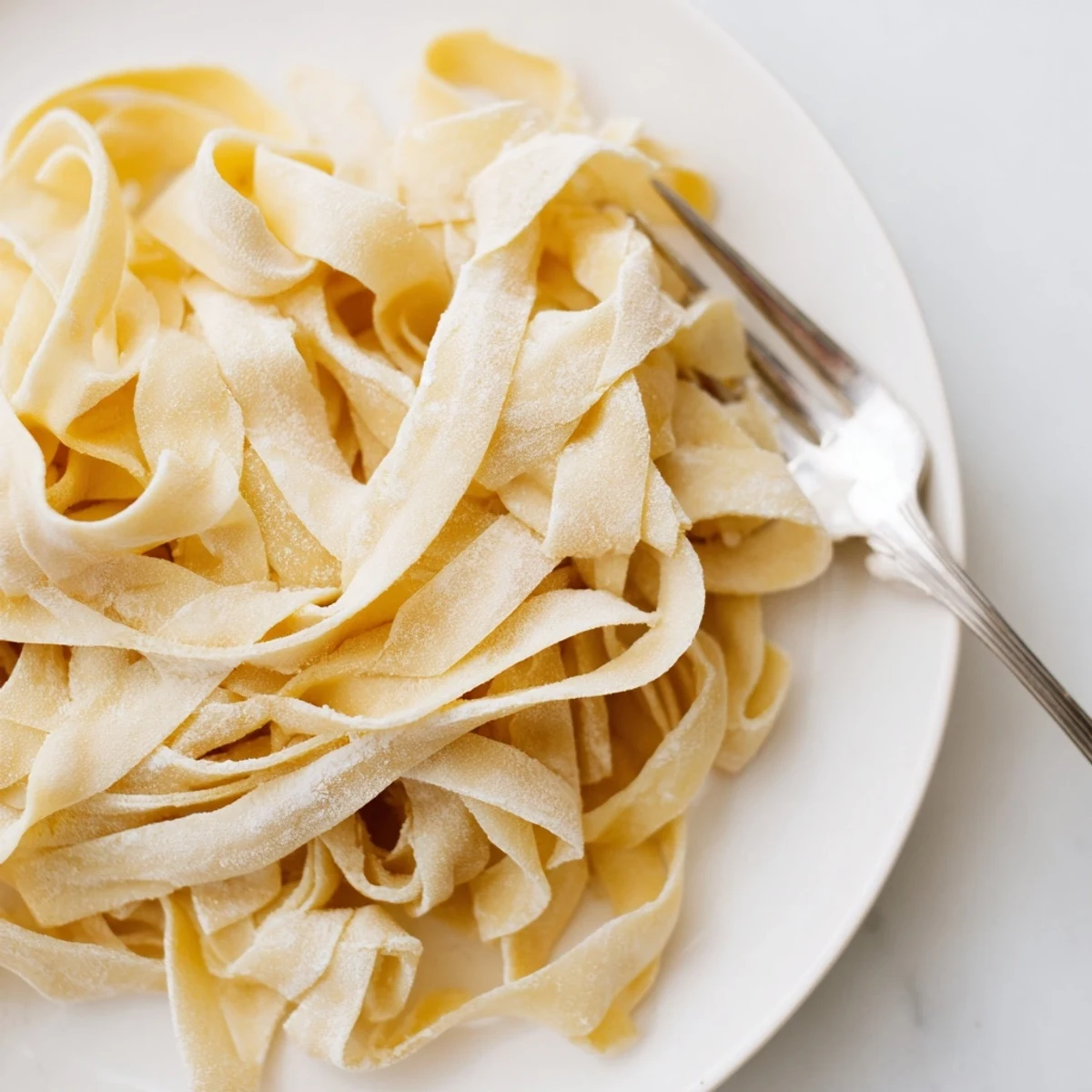
Save Create authentic Italian-style pasta with the distinctive tang of sourdough starter. This handcrafted dough develops wonderful complexity through fermentation, resulting in noodles that hold sauces beautifully and offer satisfying texture. The active starter adds subtle depth while keeping the dough workable and supple.
Plan for a leisurely preparation with resting time that allows gluten to develop fully. Roll into your preferred shape—wide ribbons for hearty sauces or delicate sheets for stuffed pasta. The slight acidity balances rich toppings like browned butter, cream sauces, or fresh pesto.
Batch-cook friendly and freezer-ready, this versatile dough elevates weeknight meals or dinner gatherings. The characteristic chew and nuanced flavor showcase artisan techniques while remaining approachable for home cooks.
My grandmother kept her sourdough starter in a ceramic crock with a chip on the rim, fed faithfully every Tuesday like a pet. The day she showed me how to work some of that bubbling culture into fresh pasta dough changed everything about my understanding of simple carbohydrates. There is something magical about watching those pale strands take on a subtle tang that you just cannot get from flour and water alone.
Last winter during a snowed-in weekend, I made batch after batch of this pasta while my partner spun old jazz records on the turntable. We ate pappardelle with a simple sage butter sauce for three consecutive meals, the house filled with flour dust and the promise of something special emerging from the most basic ingredients.
Ingredients
- All-purpose flour: Creates the ideal structure for hand-rolled pasta, thoughTipo 00 flour will yield an even more delicate texture
- Active sourdough starter: Use bubbly, recently fed starter for the best rise and flavor development
- Eggs: Room temperature eggs incorporate more evenly into the dough
- Fine sea salt: Enhances the natural wheat flavor without overpowering the subtle sourdough notes
- Olive oil: Adds suppleness and makes the dough more forgiving if you are new to pasta making
Instructions
- Mix the foundation:
- Mound the flour on your work surface and create a deep well in the center like a little crater. Crack the eggs into the hollow, add your sourdough starter and olive oil, then gradually whisk the flour into the wet ingredients with a fork until a rough, shaggy mass forms.
- Knead until transformed:
- Turn the dough onto a lightly floured surface and knead for 8 to 10 minutes, pushing forward with the heel of your hand and folding back over itself. The dough will start ragged and stubborn but gradually becomes smooth, elastic, and almost satiny to the touch.
- Let it rest:
- Wrap the dough tightly in plastic wrap and let it rest at room temperature for a full hour. This relaxation period is crucial because it allows the gluten network to settle, making the dough much more cooperative when you start rolling.
- Roll and shape:
- Cut the dough into two portions and keep one covered while you work. Roll the dough through your pasta machine or with a rolling pin until thin enough to see your fingers through slightly, then cut into your preferred shape using a knife or pasta cutter.
- Cook to perfection:
- Bring a large pot of generously salted water to a rolling boil. Drop the fresh pasta in and cook for just 2 to 3 minutes, testing frequently until the pasta is tender with a slight bite that gives way pleasantly.
 Save
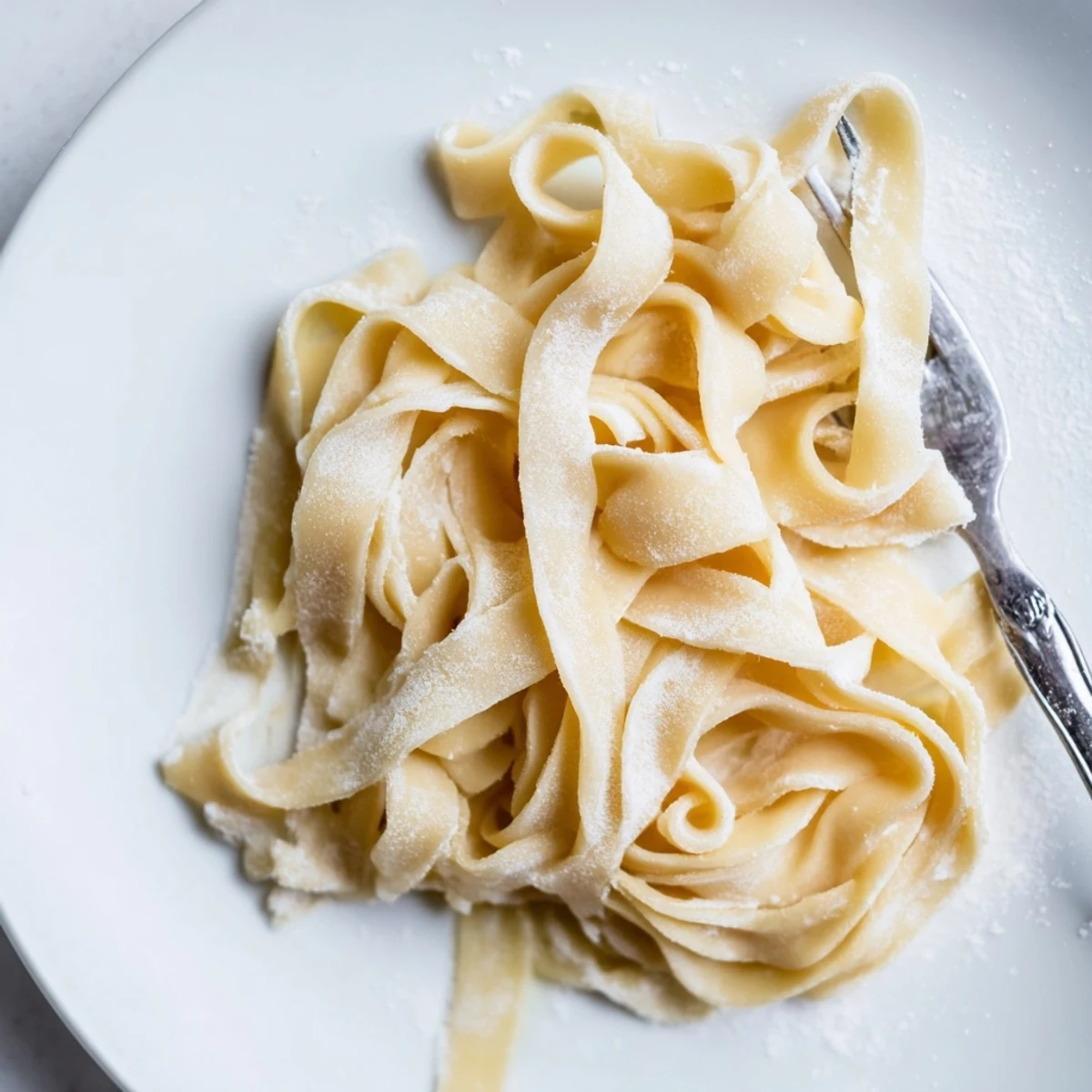
Save This pasta has become my go-to for dinner parties because people cannot quite put their finger on what makes it taste so extraordinary. I love watching guests take that first curious bite, their expressions shifting from polite interest to genuine surprise at the complex, almost wine-like flavor profile.
Making Ahead
The dough benefits from a slow rest in the refrigerator, developing a slightly more pronounced tang. I often make the dough the night before and let it come to room temperature while I prepare sauce, which actually makes the rolling process even easier.
Sauce Pairings
Because this pasta carries its own subtle acidity, it plays beautifully with cream-based sauces that might otherwise feel too heavy. I also love it with pesto where the slight sourdough brightness cuts through the rich basil and pine nut flavors.
Shaping Variations
Thickness matters more than you might expect. Thinner shapes shine with delicate butter sauces, while broader noodles like pappardelle can stand up to heartier meat sauces without being overwhelmed. Do not be afraid to experiment with rustic, hand-cut shapes.
- Dust cut shapes generously with semolina flour to prevent sticking
- Hang long noodles over a clean broom handle or pasta drying rack
- Freeze uncooked portions on a baking sheet, then transfer to bags for later
 Save
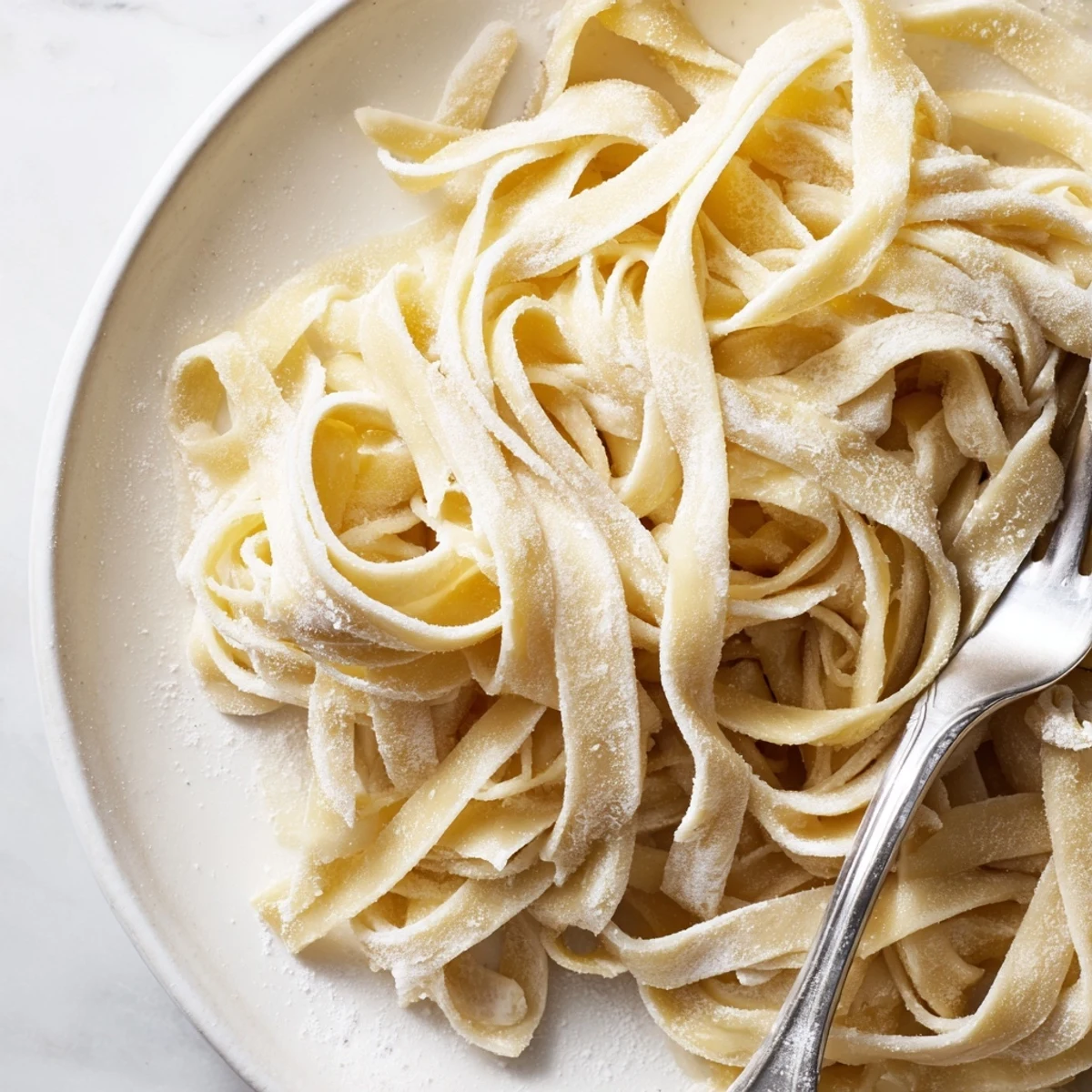
Save There is something deeply satisfying about transforming a living culture into something so comfortingly familiar. Once you taste pasta with this depth of character, ordinary noodles might feel a little incomplete.
Recipe Q&A
- → What makes sourdough pasta different from regular pasta?
-
The active starter adds subtle tanginess and complex fermentation notes while creating a more tender, chewy texture. The slight acidity also helps the dough develop better structure and hold sauces more effectively than traditional egg pasta.
- → Can I use discard starter instead of active?
-
Active starter works best because it provides the right balance of acidity and gluten development. Discard lacks the same fermentation power and may result in denser, less flavorful noodles. Feed your starter 4-8 hours before making dough for optimal results.
- → Why does the dough need to rest for an hour?
-
Resting allows gluten strands to relax after kneading, making the dough more pliable and easier to roll thinly without springing back. This crucial step ensures smooth, even pasta that cooks consistently and maintains its shape during boiling.
- → What sauces work best with sourdough pasta?
-
The tangy flavor pairs beautifully with rich sauces like browned butter sage, cream-based toppings, or hearty meat ragù. Fresh pesto, olive oil with garlic and herbs, or tomato sauces also complement the slight acidity. Avoid overly sweet sauces that might clash with the fermented notes.
- → Can I freeze this pasta dough?
-
Yes, wrap the rested dough tightly in plastic and freeze for up to 3 months. Thaw overnight in the refrigerator before rolling. Alternatively, cut fresh pasta into shapes, dust with flour, freeze in single layers, then transfer to bags for storage. Cook frozen pasta directly—add 1-2 minutes to boiling time.
- → How thin should I roll the pasta?
-
For tagliatelle and fettuccine, aim for setting 6-7 on a pasta machine (about 1/16 inch thick). Pappardelle can be slightly thicker at setting 5. Lasagna sheets work well at setting 7-8. The dough should be translucent enough to see your hand shadow through it but not paper-thin.