 Save
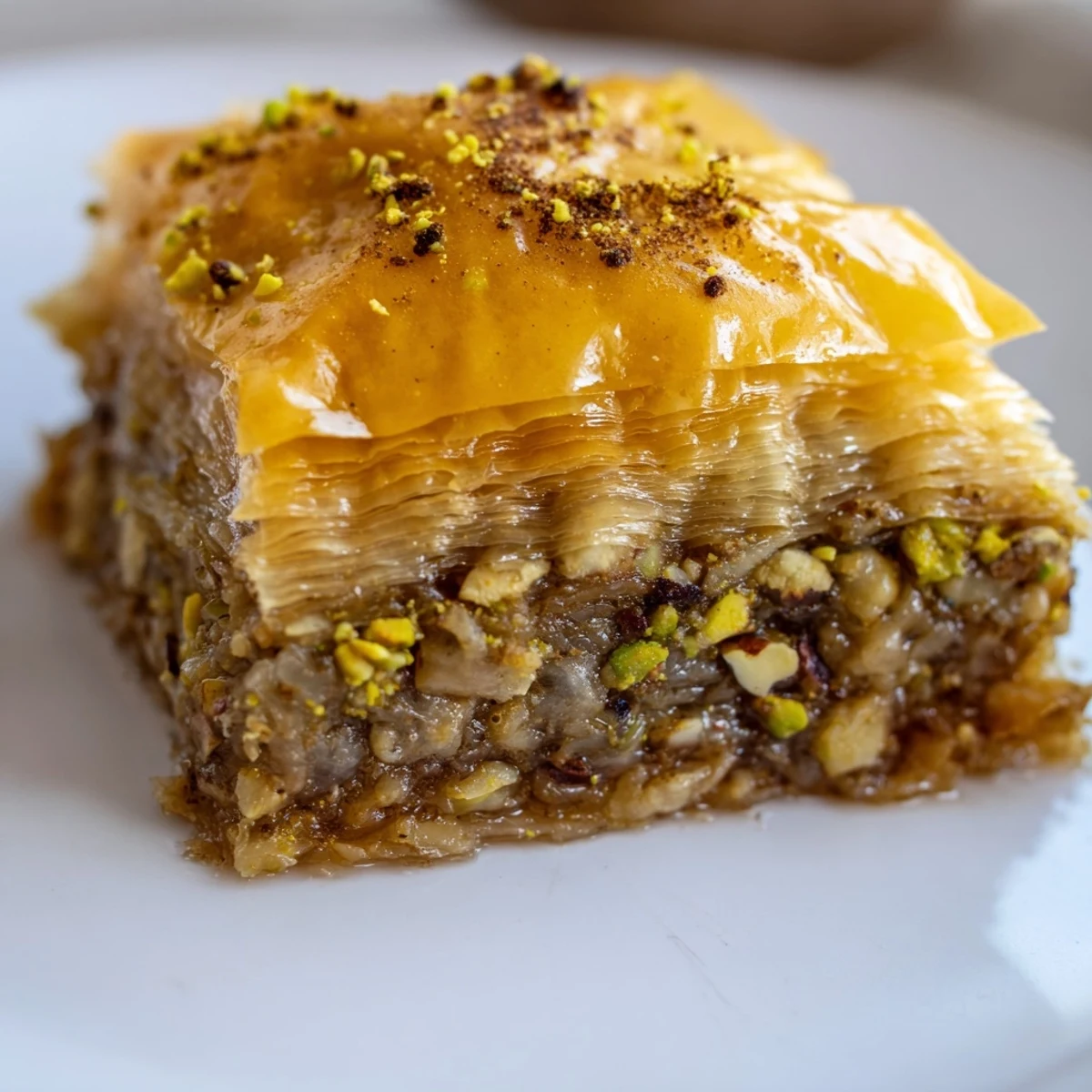
Save This authentic Greek baklava features delicate layers of buttery phyllo pastry alternated with a aromatic mixture of walnuts, pistachios, and almonds seasoned with warm cinnamon and cloves. The assembled pastry is baked until golden crisp, then drenched in a fragrant honey syrup infused with cinnamon and fresh lemon peel.
The key to perfect baklava lies in brushing each phyllo sheet thoroughly with melted butter and pouring warm syrup over hot pastry for optimal absorption. Best served after cooling completely, allowing flavors to meld overnight for enhanced richness and texture.
My yiayia never measured anything when she made baklava, her hands moving between bowls of nuts and stacks of phyllo with practiced ease. I watched her butter those translucent sheets one Sunday afternoon, the kitchen thick with the scent of toasted walnuts and melting butter. She told me the secret was patience, not precision, though I suspect her decades of experience had something to do with it too. Now whenever I work with phyllo, I can still hear her reminding me to keep it covered or it will turn into parchment paper.
I brought this to a neighborhood potluck last summer, still slightly warm from the oven, and watched it disappear in under fifteen minutes. My neighbor Maria, whose mother was from Thessaloniki, took one bite and quietly asked for the recipe. That might have been the biggest compliment I have ever received in the kitchen. Now it is my go to dessert when I need something that feels special but can be made ahead of time.
Ingredients
- Walnuts: These provide the classic earthy base and stay crunchy even after soaking in syrup
- Pistachios: Add beautiful green specks and a slightly sweet, floral note that pairs beautifully with honey
- Almonds: Round out the nut blend with a subtle sweetness and extra texture
- Ground cinnamon: The warm spice backbone that makes everything taste like a Greek bakery
- Ground cloves: Just a quarter teaspoon adds deep, aromatic complexity without overpowering
- Granulated sugar: A couple tablespoons in the filling helps the nuts caramelize slightly as they bake
- Phyllo dough: Those tissue thin sheets are what create the legendary flaky texture, thaw frozen packages completely overnight
- Unsalted butter: Melted and brushed between every single layer, this is not the time to be stingy
- More granulated sugar: Dissolves in the syrup to create that signature sticky sweetness
- Water: The base for your simple syrup that will eventually soak into the baked layers
- Honey: Greek honey if you can find it, adds floral notes that sugar alone cannot provide
- Cinnamon stick: Infuses the syrup with gentle spice while it simmers
- Lemon peel: Brightens the syrup and cuts through the richness of all that butter
Instructions
- Preheat and prep your pan:
- Set your oven to 170°C and brush a 23x33 cm baking dish with melted butter
- Mix the nut filling:
- Combine walnuts, pistachios, almonds, cinnamon, cloves, and sugar in a large bowl
- Protect your phyllo:
- Unroll the dough and cover immediately with a lightly damp towel or it will dry out and crack
- Layer the base:
- Place one sheet in the dish, brush with butter, repeat until you have 8 buttered sheets
- Add the first nut layer:
- Sprinkle one third of your nut mixture evenly across the phyllo
- Build the middle layers:
- Add 4 more buttered phyllo sheets, another third of nuts, then 4 more buttered sheets and remaining nuts
- Finish the top:
- Layer the final 4 phyllo sheets with butter between each, then give the top an especially generous brushing
- Score before baking:
- Use a sharp knife to cut diamonds or squares all the way through, this makes cutting later much easier
- Bake until golden:
- Bake for 45 to 50 minutes until deeply golden and crisp
- Make the syrup while it bakes:
- Combine sugar, water, honey, cinnamon stick, and lemon peel in a saucepan
- Simmer the syrup:
- Bring to a boil then reduce heat and simmer for 10 minutes, let cool slightly and strain out the aromatics
- The crucial moment:
- Pour the warm syrup slowly over the hot baklava the moment it comes out of the oven
- Patience pays off:
- Let it cool completely in the pan so the syrup can work its way into every layer
 Save
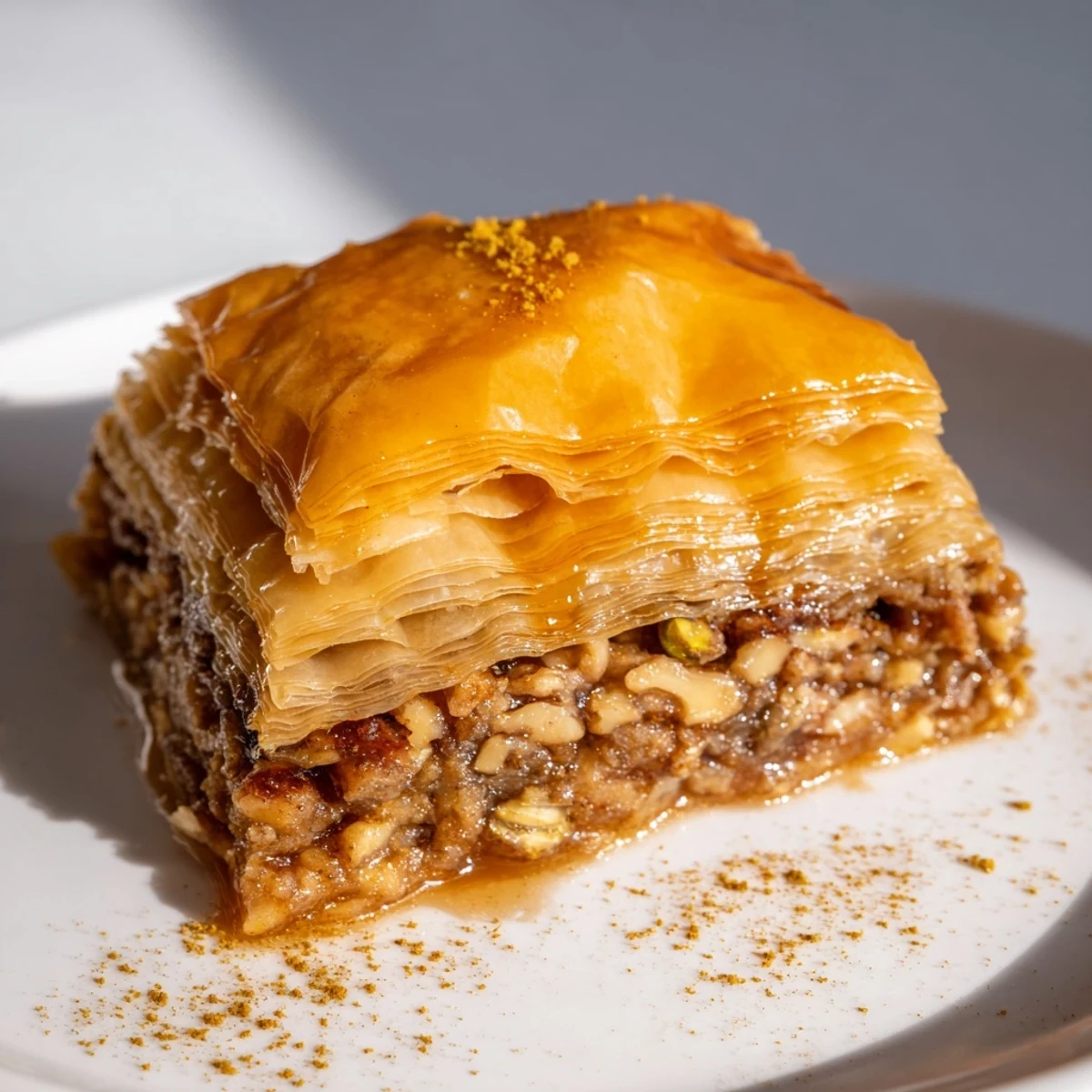
Save This is the dessert that finally taught me to respect the process rather than rushing toward the result. There is something meditative about brushing layer after layer of phyllo, watching the stacks grow taller and more impossibly delicate. I have learned that the best things in life really do require a bit of patience and a lot of butter.
Making It Your Own
Sometimes I add a pinch of cardamom to the nut mixture when I want to channel Persian spice bazaars instead of Greek villages. A splash of orange blossom water or rose water in the syrup transports the whole thing to a completely different region, though I keep it subtle so it does not overpower the honey. The basic technique remains the same, but these little tweaks make each batch feel like a new discovery.
The Phyllo Learning Curve
My first attempt at baklava ended with shriveled, cracked phyllo that refused to cooperate because I left it uncovered for too long. Now I treat phyllo like a diva that needs constant attention, keeping it covered and working quickly but gently. If a sheet tears, do not panic, just patch it with another buttered piece and keep going, the syrup will hide all imperfections.
Serving and Storing
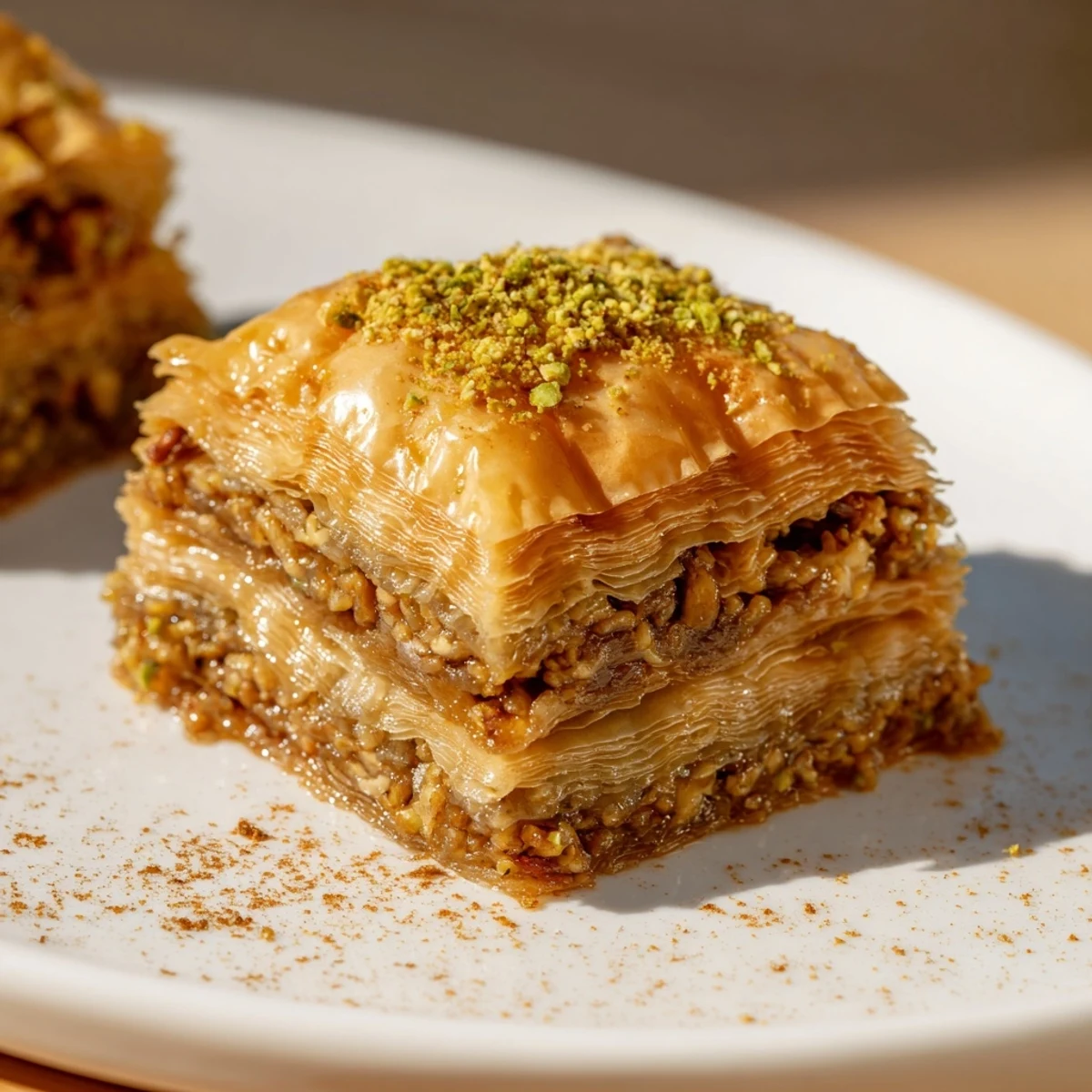
Baklava needs to rest at least a few hours before serving, but I promise it is even better the next day when the syrup has fully permeated every layer. Store it at room temperature covered with a clean kitchen towel, never in the refrigerator where the phyllo will lose its signature shatter. These little squares freeze beautifully too, layered between parchment paper in an airtight container.
- Serve small pieces because this is intensely rich and sweet
- A cup of strong Greek coffee or mint tea balances all that honey perfectly
- The pieces cut more cleanly if you run your knife under hot water first
 Save
Save Share this with people who appreciate food made with time and intention, they will taste the difference in every buttery, honey soaked bite.
Recipe Q&A
- → How do I keep phyllo dough from drying out?
-
Cover unused phyllo sheets with a lightly damp kitchen towel while working. This prevents the delicate pastry from becoming brittle and cracking during assembly.
- → Can I make baklava ahead of time?
-
Yes, baklava actually improves after sitting for 1-2 days as the syrup fully penetrates the layers. Store at room temperature covered tightly for up to 5 days.
- → Should the syrup be hot or cold when pouring?
-
Pour warm syrup over hot baklava immediately after baking. This temperature difference ensures proper absorption and creates that signature moist, tender texture throughout every layer.
- → What nuts work best in baklava?
-
The classic combination includes walnuts for earthiness, pistachios for vibrant color and subtle sweetness, and almonds for delicate crunch. Adjust ratios based on personal preference.
- → Why add lemon peel to the syrup?
-
Fresh lemon peel provides bright citrus notes that balance the intense sweetness of honey and sugar, cutting through richness while adding aromatic complexity to the finished pastry.