
 Save
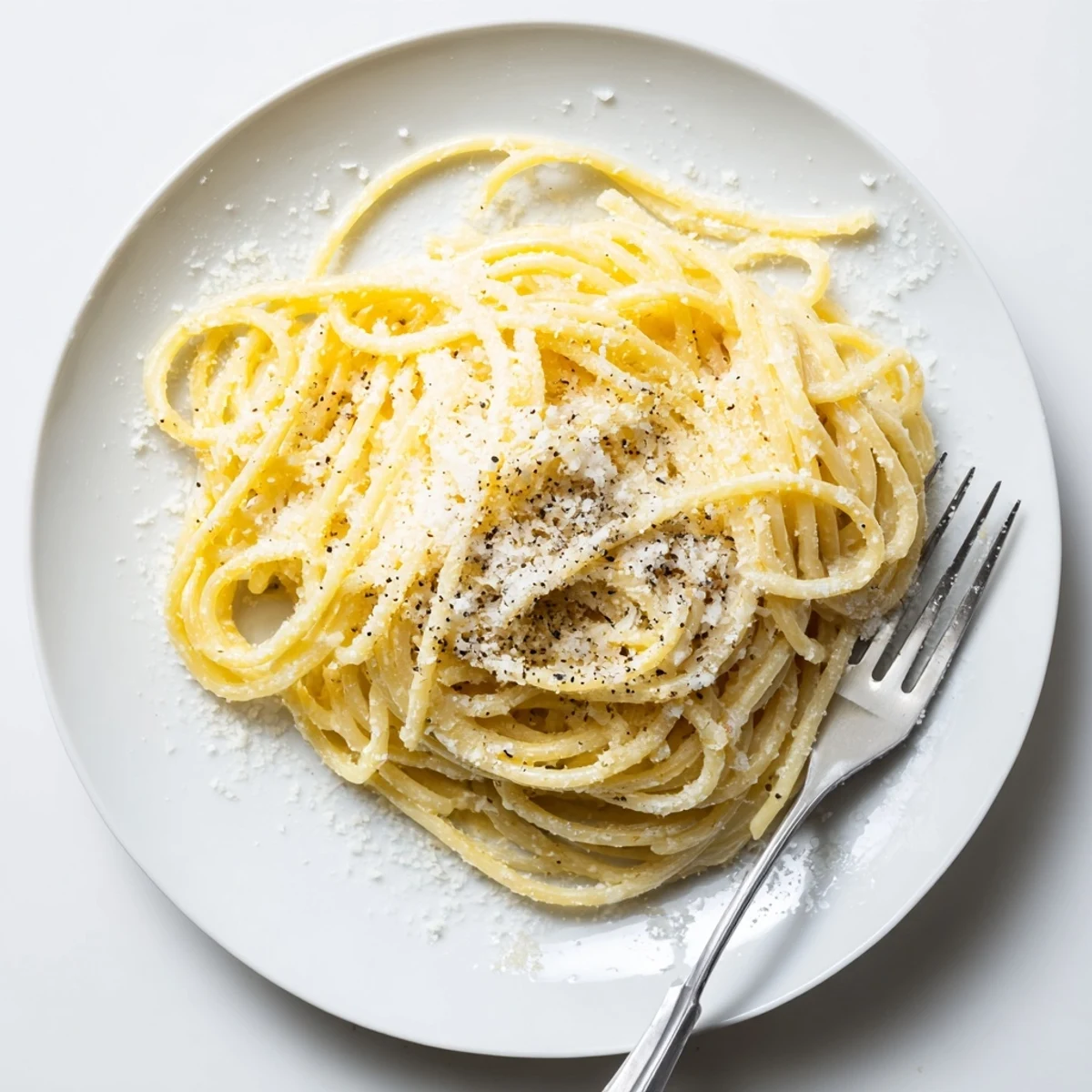
Save This beloved Roman dish transforms simple ingredients—spaghetti, aged Pecorino Romano, and freshly cracked black pepper—into an incredibly creamy, luxurious pasta. The secret lies in creating an emulsion with hot starchy pasta water that binds the cheese into a silky coating. Toast the pepper first to awaken its aromatic oils, then work quickly off the heat to achieve that signature glossy sauce that clings beautifully to every strand.
The first time I attempted Cacio e Pepe in my tiny apartment kitchen, I ended up with a clumpy, separated mess that looked nothing like the silky Roman classic I'd dreamed about. My Italian neighbor Rosa caught me stirring frantically and told me the secret was never rushing the cheese paste. That evening changed everything I thought I knew about pasta sauce.
Last winter, during a particularly bleak February, I made this for friends who'd just moved into a new apartment with boxes everywhere. We ate standing up around the kitchen island, and someone joked that this pasta was basically fancy mac and cheese for adults. Now they request it every single time they visit, boxes unpacked or not.
Ingredients
- 200 g spaghetti or tonnarelli: I've tried every shape under the sun and nothing beats how the sauce clings to long strands, though tonnarelli will give you that authentic Roman texture
- 80 g Pecorino Romano: This sharp, salty cheese is nonnegotiable, and freshly grating it yourself makes the difference between sauce that actually works and sauce that separates into a sad puddle
- 2 tsp freshly ground black pepper: Do not even think about using preground pepper, you want those coarse cracks that release their floral heat as they toast
- 1 liter water: Using less water than usual creates a starchy cooking liquid that becomes the backbone of your emulsion
Instructions
- Boil your pasta water:
- Bring your liter of water to a rolling boil and add your salt, then drop in the spaghetti and cook until it's just barely al dente
- Toast your pepper:
- While the pasta cooks, toast your black pepper in a large skillet over medium heat for about a minute until it smells incredibly fragrant and almost spicy
- Make the cheese paste:
- In a mixing bowl, whisk your grated Pecorino with a few tablespoons of hot pasta water until it forms a thick, creamy paste
- Create the emulsion:
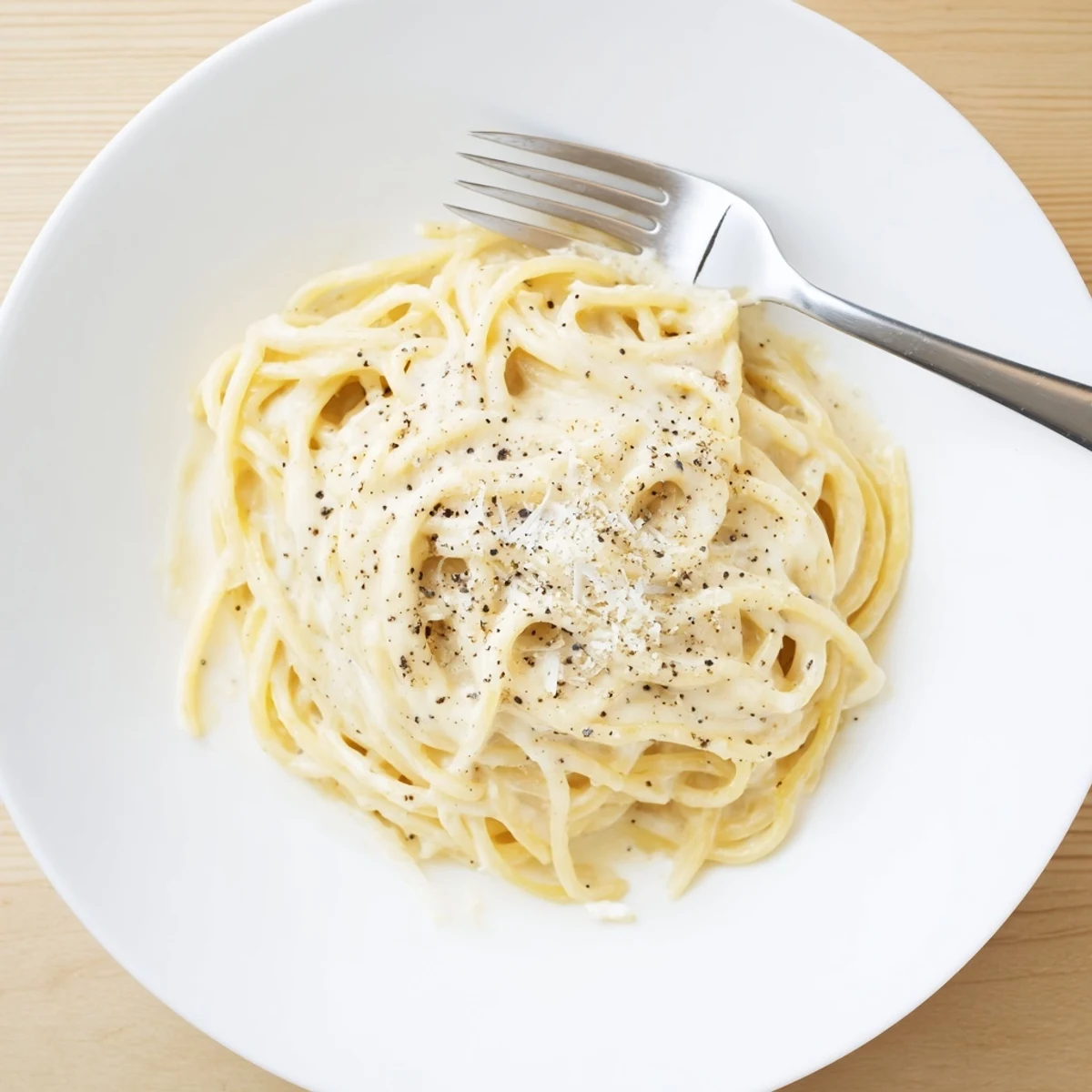
- Add your drained pasta to the skillet with the pepper and about half cup of pasta water, toss like your life depends on it, then work in that cheese paste gradually, adding more pasta water until everything transforms into silk
 Save
Save This recipe has become my go-to when I need to remind myself that simple does not mean easy, and that technique often matters more than ingredients. There's something almost meditative about getting that emulsion right, like solving a delicious puzzle every single time.
Getting The Sauce Right
The magic happens when the starch from your pasta water meets the fat in the cheese, creating an emulsion that's practically scientific. I failed at this at least a dozen times before I understood that the temperature of both components matters as much as the ratio.
Pasta Shape Wisdom
While spaghetti is perfectly wonderful, I've become slightly obsessed with tonnarelli after finding it at a specialty Italian market. The square cut gives the sauce even more surface area to grab onto, and the slight chewiness feels somehow more honest to the dish's humble roots.
Serving Suggestions
This pasta wants to be eaten the moment it hits the bowl, while it's still impossibly creamy and almost too hot to eat comfortably. I like to serve it with a simple green salad dressed with nothing but lemon and olive oil, plus maybe some crusty bread to mop up any sauce that escapes.
- Have your cheese grated and pepper ground before you even turn on the stove
- Warm your serving bowls in the oven while the pasta cooks
- Grate extra cheese at the table because everyone always wants more
 Save
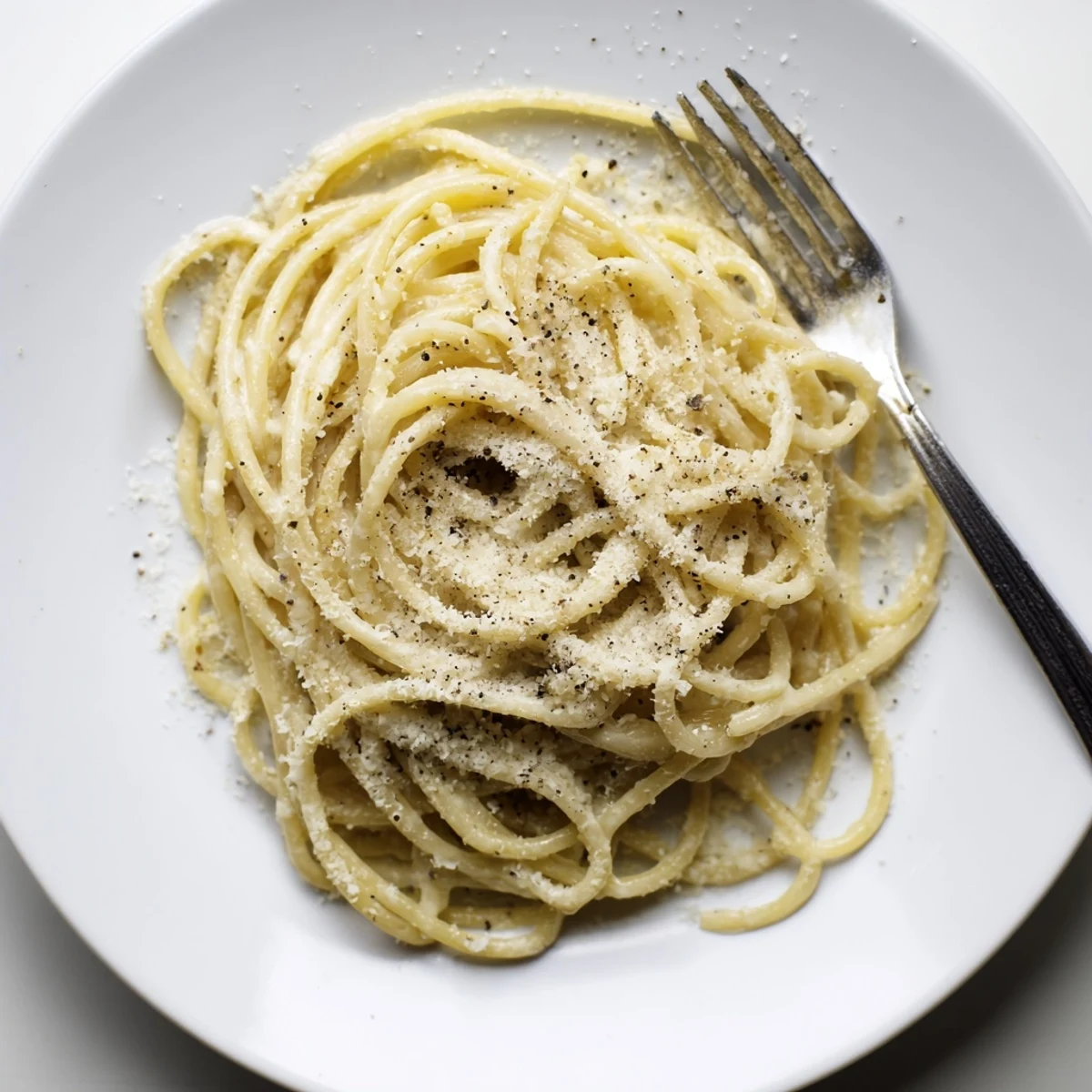
Save Sometimes the most simple recipes teach us the most profound lessons about patience and attention. There's nothing quite like standing over a steaming bowl of this pasta, realizing you've just created something extraordinary from almost nothing.
Recipe Q&A
- → What does cacio e pepe mean?
-
Cacio e pepe translates to 'cheese and pepper' in Italian, referring to the two primary ingredients that define this classic Roman pasta dish.
- → Why is my sauce grainy?
-
Grainy sauce usually occurs when cheese is added over high heat or melted too quickly. Always remove pasta from heat before incorporating the cheese paste, and toss vigorously with pasta water to create a smooth emulsion.
- → Can I use Parmesan instead of Pecorino?
-
While Parmesan works in a pinch, authentic cacio e pepe requires Pecorino Romano for its sharp, salty flavor that's essential to the traditional taste profile.
- → What pasta shape is best?
-
Long thin noodles like spaghetti, tonnarelli, or bucatini work best as they allow the creamy sauce to coat evenly. Bucatini's hollow center catches extra sauce for even more flavor.
- → Why use less water for boiling?
-
Using less water creates a starchier pasta water, which is crucial for forming the silky emulsion that binds the cheese sauce together perfectly.