
 Save
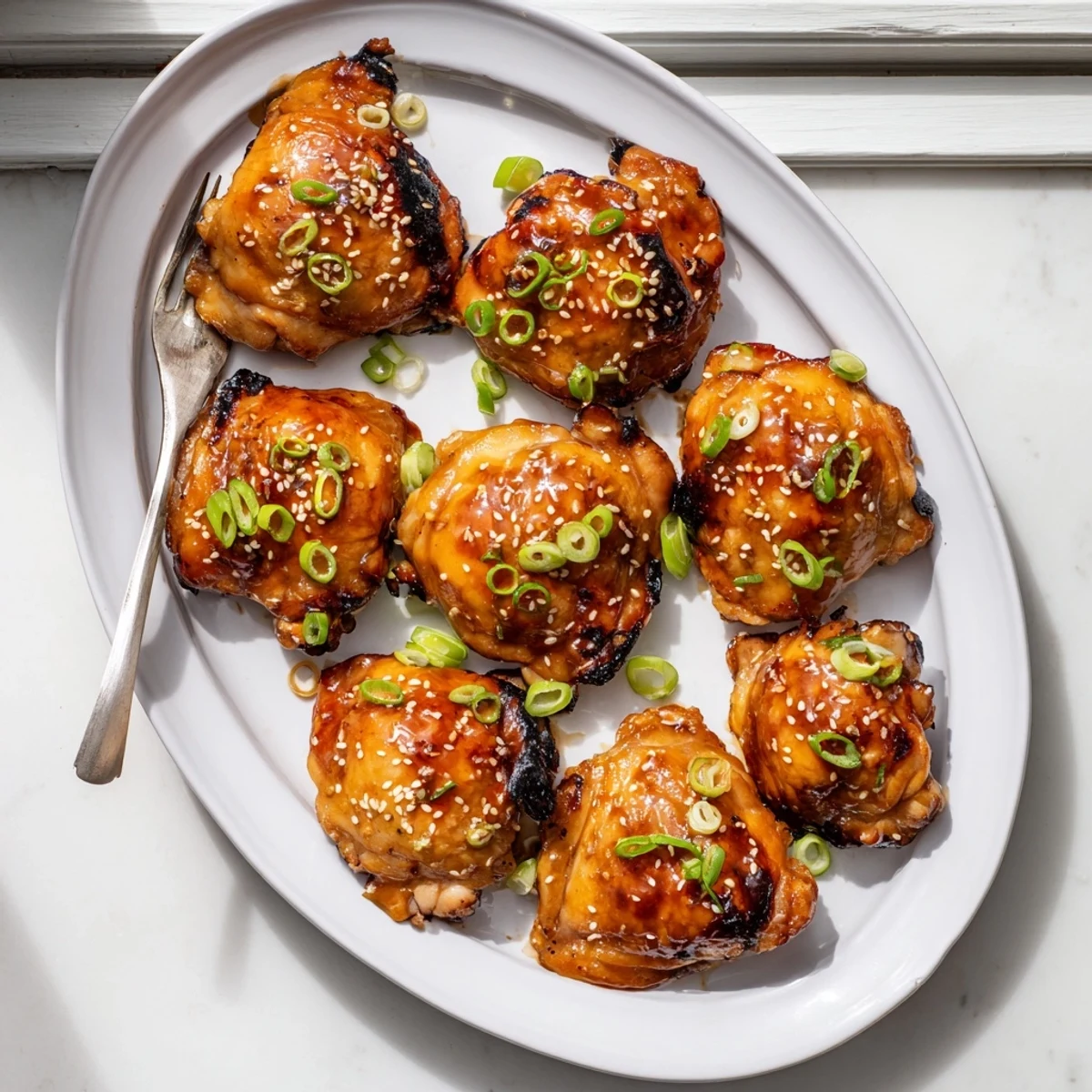
Save These bone-in chicken thighs deliver incredible flavor and moisture. The combination of soy sauce, mirin, honey, and fresh aromatics creates an authentic teriyaki glaze that caramelizes beautifully in the oven. Marinating overnight deepens the flavor profile, while the bone-in cooking method ensures the meat stays succulent throughout roasting.
The skin becomes wonderfully crispy, and the meat remains juicy. The homemade sauce strikes that perfect balance between savory and sweet, with ginger and garlic adding depth. Leftovers reheat beautifully for lunch the next day.
The sizzle of chicken skin hitting a hot oven tray is one of those sounds that pulls everyone into the kitchen before dinner is even close to ready. My neighbor once knocked on my door asking what I was cooking because the smell of caramelized teriyaki had drifted through the open window and straight into her apartment. That was a Tuesday, nothing special, just hungry and craving something that felt like takeout without the wait. These bone in teriyaki chicken thighs have been my reliable weeknight crowd pleaser ever since.
I made a double batch for a friend's birthday picnic once and forgot the serving platter, so I just carried the entire baking tray to the park wrapped in a towel. People ate straight off it with chopsticks and nobody cared about presentation. The chicken disappeared in under ten minutes and someone actually licked the leftover sauce off the foil.
Ingredients
- Bone in skin on chicken thighs: Eight pieces around one and a half kilograms total, the skin is critical here because it protects the meat and creates that beautiful roasted crust.
- Soy sauce: A third of a cup builds the salty umami backbone, use a Japanese brand if you can find one for the most authentic flavor.
- Mirin: A quarter cup adds the characteristic sweetness and glaze, if your grocery store does not carry it dry sherry with a squeeze of honey works in a pinch.
- Honey and brown sugar: Two tablespoons of each work together to create that sticky caramelized finish that makes teriyaki irresistible.
- Rice vinegar: Two tablespoons brighten the sauce and cut through the richness of the chicken skin.
- Garlic and ginger: Two cloves minced and one tablespoon grated respectively, fresh is non negotiable here for real depth.
- Sesame oil: One tablespoon adds a nutty warm note that ties everything to its Japanese roots.
- Cornstarch and water: One tablespoon cornstarch mixed with two tablespoons water, optional but highly recommended for a sauce that clings rather than runs.
- Green onions and sesame seeds: For garnish, two sliced green onions and one tablespoon toasted sesame seeds add color and a fresh crunch at the end.
Instructions
- Build the marinade:
- Whisk together soy sauce, mirin, honey, brown sugar, rice vinegar, garlic, ginger, and sesame oil in a large bowl until the honey dissolves and everything smells like a Japanese market aisle. Taste it with your finger, it should be salty, sweet, and slightly sharp all at once.
- Coat the chicken:
- Drop the chicken thighs into the bowl and turn them over and over until every piece is swimming and glossy. Cover and slide into the refrigerator for at least thirty minutes though overnight is where the magic truly happens.
- Set up the oven:
- Preheat to 200 degrees Celsius or 400 degrees Fahrenheit and line a baking tray with parchment paper or foil because that caramelized sauce will stick like glue otherwise. Arrange the chicken skin side up with space between each piece so they roast rather than steam.
- Roast and baste:
- Slide the tray into the oven and roast for thirty five to forty minutes, pulling it out after twenty minutes to spoon the reserved marinade over every piece. The skin should puff and turn a deep amber color and the internal temperature should reach 75 degrees Celsius or 165 degrees Fahrenheit.
- Reduce the sauce:
- While the chicken roasts pour the remaining marinade into a small saucepan and bring it to a rolling boil. Stir in the cornstarch slurry if using and simmer for three to five minutes until it coats the back of a spoon like warm syrup.
- Finish and serve:
- Arrange the chicken on a platter, drizzle generously with the thickened sauce, and scatter green onions and sesame seeds over the top. Serve immediately while the skin is still crackling and the sauce is warm.
 Save
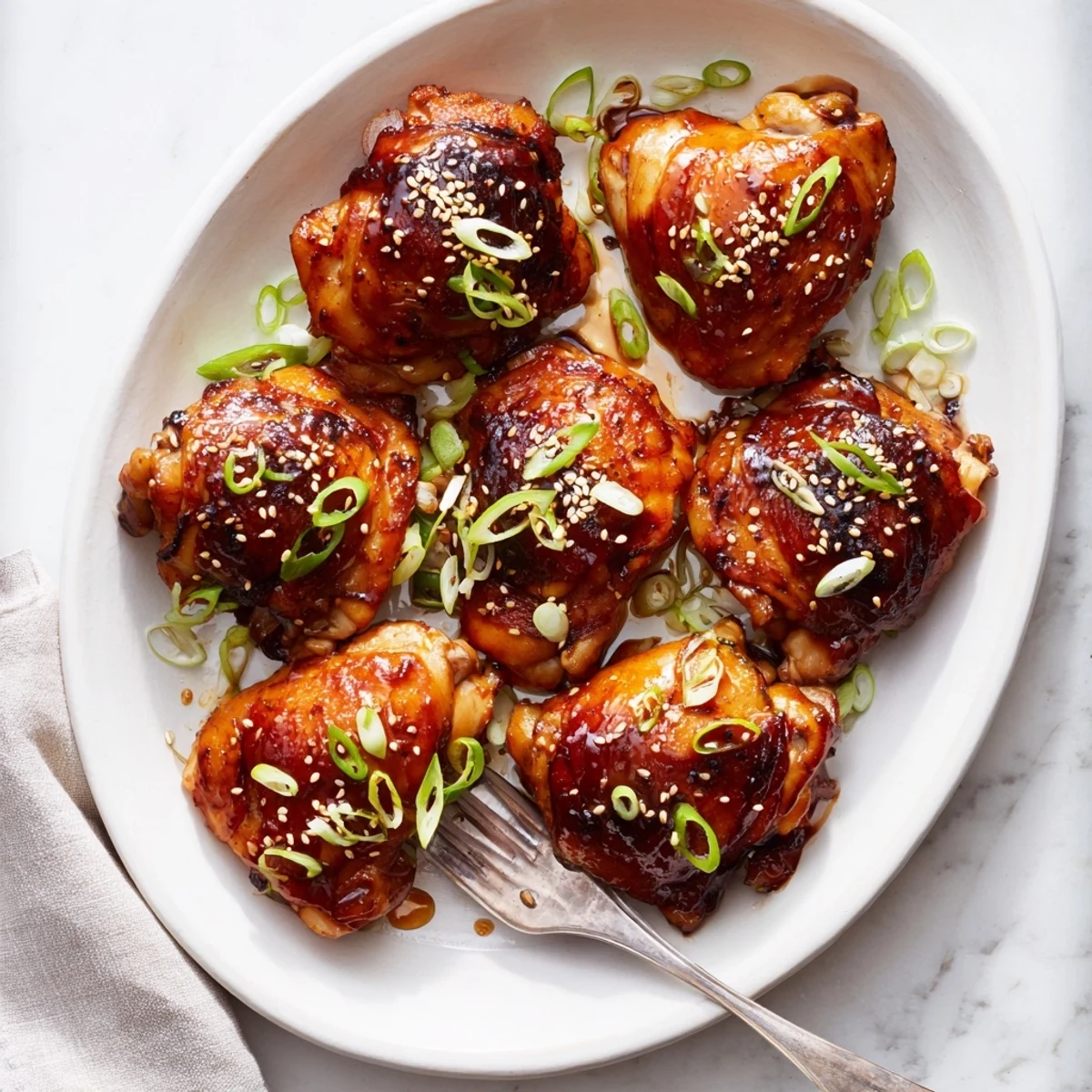
Save There is something deeply satisfying about pulling a tray of glistening lacquered chicken from the oven and watching everyone hover around the kitchen island waiting for permission to eat. It transforms an ordinary evening into something that feels intentional and celebratory without any extra effort.
What to Serve Alongside
Steamed white rice is the obvious partner here because it soaks up every drop of that extra sauce, but a pile of quickly sauteed bok choy or snap peas adds crunch and balances the sweetness. I have also served this over cold soba noodles on hot summer nights when standing near the stove felt unbearable.
Making It Your Own
A pinch of chili flakes stirred into the marinade gives the whole dish a slow warming heat that sneaks up on you by the third bite. My brother adds a tablespoon of sriracha and calls it fusion, and honestly it works. You could also swap the honey for maple syrup if you want a slightly earthier sweetness.
Getting Ahead and Storing Leftovers
The marinade can be mixed up to three days in advance and kept in a jar in the refrigerator, which makes the actual cooking night feel almost effortless.
- Leftover chicken reheats beautifully in a 180 degree Celsius oven for about ten minutes and the skin stays surprisingly crisp.
- You can freeze the marinated raw chicken thighs in a sealed bag for up to three months and thaw them overnight before roasting.
- Always check your soy sauce label if cooking for someone gluten sensitive and swap to tamari without any other changes needed.
 Save
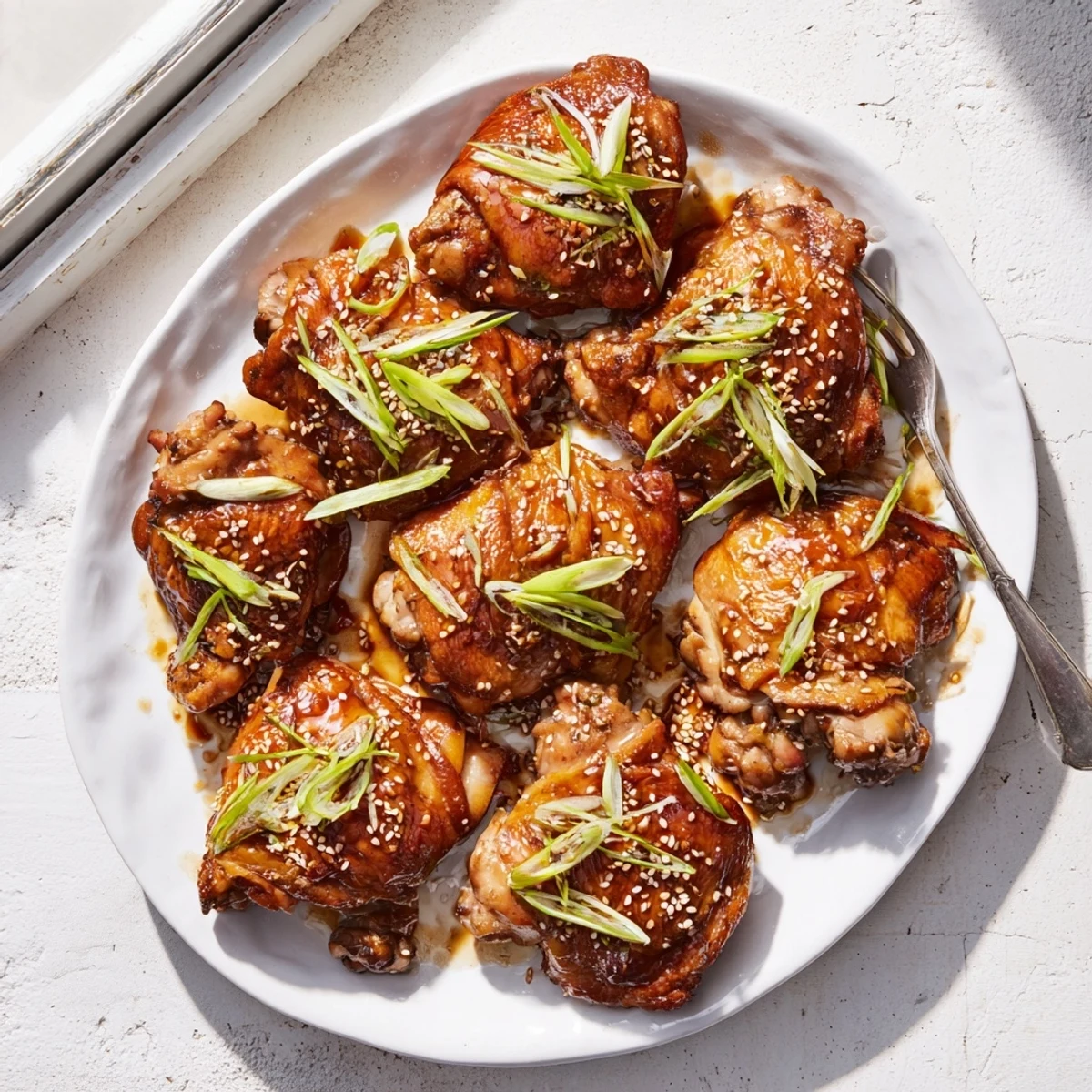
Save This is the kind of recipe that earns a permanent spot in your rotation because it asks almost nothing of you and gives back everything. Make it once and you will never order takeout teriyaki again.
Recipe Q&A
- → How long should I marinate the chicken?
-
Marinate for at least 30 minutes, but overnight marinating yields the deepest flavor penetration. The longer the chicken sits in the mixture, the more pronounced the teriyaki taste becomes.
- → Can I use boneless chicken thighs instead?
-
Boneless thighs work but require adjusting cooking time to 20-25 minutes. Bone-in versions provide better flavor and moisture retention during roasting, resulting in more succulent meat.
- → What can I substitute for mirin?
-
Dry sherry combined with extra honey makes an excellent alternative. The sweetness level may need slight adjustment, so taste as you go. Chinese cooking wine also works in a pinch.
- → How do I know when the chicken is done?
-
Use a meat thermometer to check for an internal temperature of 75°C (165°F). The juices should run clear when pierced, and the skin should appear golden and slightly crisped.
- → Can I make this gluten-free?
-
Simply replace regular soy sauce with tamari or certified gluten-free soy sauce. All other ingredients including mirin and rice vinegar are naturally gluten-free.
- → Should I remove the skin before cooking?
-
Keeping the skin on adds flavor and protects the meat during roasting. For a lighter version, remove before serving or discard after cooking to enjoy the glazed meat without the extra fat.