
 Save
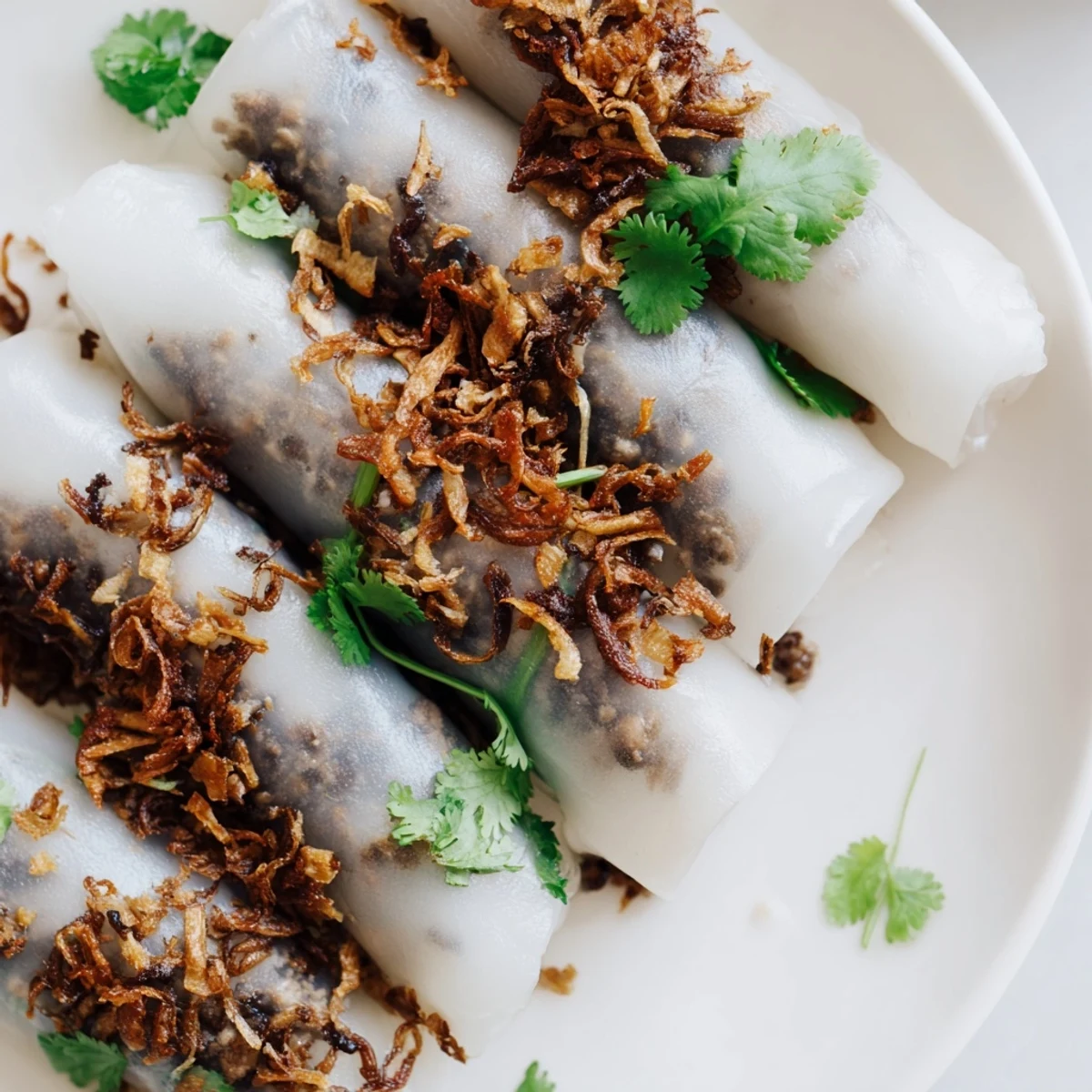
Save Experience the delicate art of Banh Cuon, a beloved Vietnamese breakfast featuring silky steamed rice rolls filled with seasoned pork and wood ear mushrooms. These translucent, pillow-soft rolls achieve their signature texture through a carefully balanced rice batter and precise steaming technique.
The process involves creating a thin batter from rice flour, tapioca, and cornstarch, then steaming each layer until set and slightly translucent. A savory filling of ground pork, rehydrated wood ear mushrooms, and aromatics provides depth and umami richness.
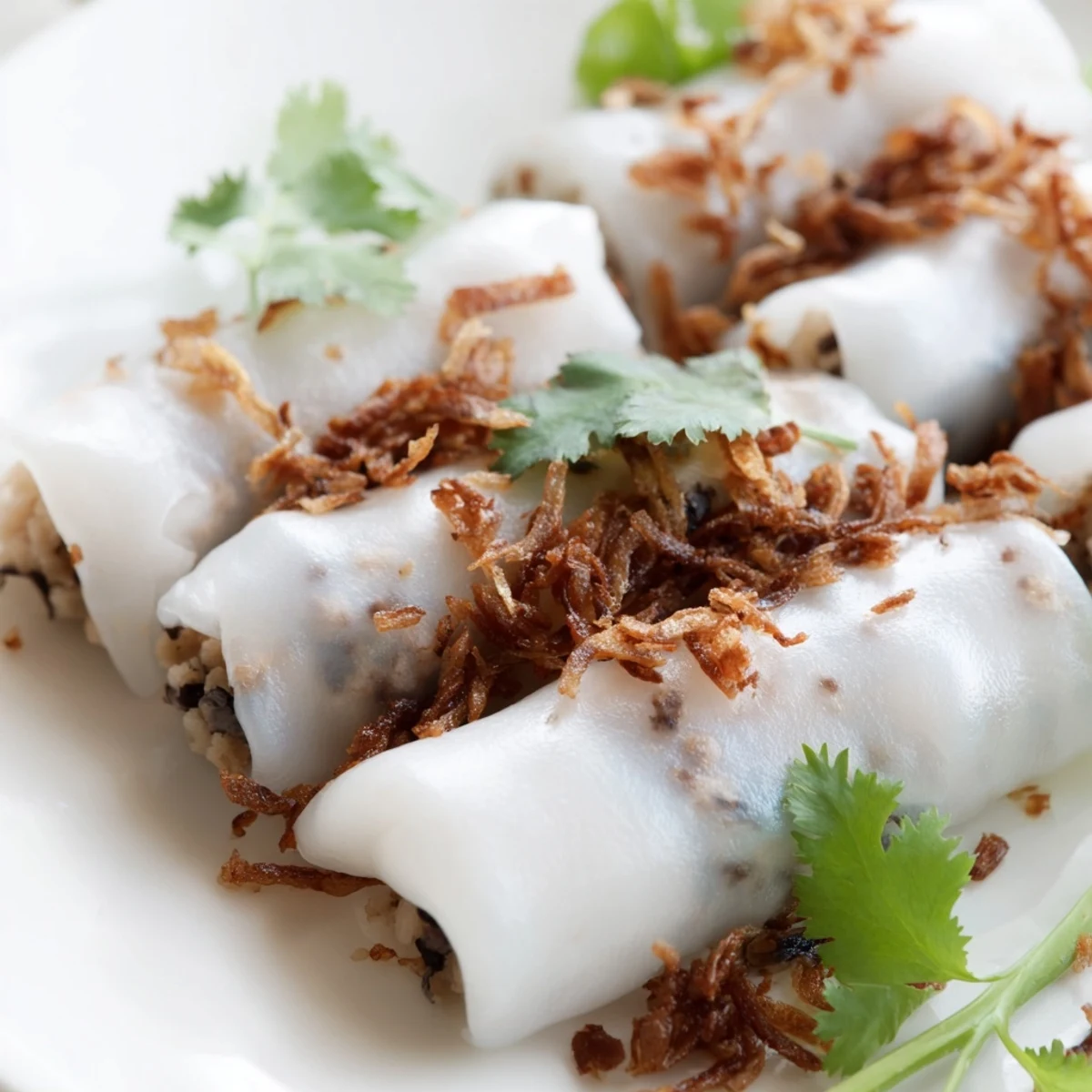
Each roll is generously garnished with crispy fried shallots, fresh cilantro, bean sprouts, and cucumber, then served alongside a classic nuoc cham dipping sauce. The interplay of textures—silky rolls, tender filling, crisp vegetables, and tangy sauce—creates a harmonious Vietnamese breakfast or light meal.
Perfect for weekend cooking, Banh Cuon rewards patience and practice with restaurant-quality results that bring the authentic flavors of Vietnam to your kitchen.
The steam rising from my grandmother's kitchen always meant something special was happening. On those lazy weekend mornings, I'd watch her hands move with practiced grace, pouring thin rice batter onto a stretched cloth over boiling water. The transformation from liquid to delicate, translucent sheets seemed like magic. Those first bites of Banh Cuon, with its silky texture and savory filling, became the benchmark for comfort food.
Last winter, I decided to attempt Banh Cuon for a small gathering of friends who had never tried Vietnamese street food. My first few attempts ripped and tore, leaving me frustrated and questioning my abilities. Then I remembered to let the batter rest and adjust the consistency. Serving those perfectly rolled, glistening rice sheets to my friends, watching their eyes light up with the first taste, reminded me why I fell in love with cooking.
Ingredients
- Rice flour: The foundation of Banh Cuon, giving the rolls their signature silky texture
- Tapioca starch: Essential for that perfect stretchy, pliable quality
- Cornstarch: Helps create the delicate, translucent appearance
- Water: The right amount creates that crepe-like consistency
- Salt: A pinch that brings out the subtle rice flavor
- Vegetable oil: Prevents sticking and adds slight richness
- Ground pork: Traditional filling that provides savory depth
- Wood ear mushrooms: Add a wonderful crunch and earthy flavor
- Yellow onion: Sweet aromatic base for the filling
- Garlic: Essential Vietnamese aromatic
- Fish sauce: The umami backbone of both filling and sauce
- Black pepper: Adds gentle warmth and complexity
- Fried shallots: Crispy topping that adds irresistible crunch
- Fresh cilantro: Bright herbal contrast to rich components
- Bean sprouts: Fresh crunch that lightens each bite
- Cucumber: Cool, refreshing element to balance flavors
- Lime juice: Essential acid in the dipping sauce
- Sugar: Balances the salty fish sauce perfectly
Instructions
- Make your silky rice batter:
- Whisk rice flour, tapioca starch, cornstarch, salt, water, and oil until completely smooth. The consistency should resemble thin crepe batter. Let it rest for 20 minutes to fully hydrate.
- Cook the savory filling:
- Heat oil in a skillet over medium heat. Sauté onions and garlic until fragrant, then add ground pork. Cook until browned before stirring in wood ear mushrooms, fish sauce, and pepper for 2-3 minutes.
- Prepare the tangy sauce:
- Mix fish sauce, lime juice, sugar, and warm water until sugar dissolves completely. Add minced garlic and sliced chili for that authentic kick.
- Steam the delicate sheets:
- Bring water to boil in your steamer or pan with a lightly oiled cloth. Ladle batter onto the surface, swirling to create a thin even layer. Cover and steam for 1-2 minutes until translucent and set.
- Roll with care:
- Gently lift the cooked sheet onto an oiled plate using a thin spatula. Place filling along one edge and roll tightly but gently. Repeat until all components are used.
- Gather and garnish:
- Arrange rolls on a platter with fried shallots, cilantro, bean sprouts, cucumber, and pork sausage. Serve immediately with the dipping sauce on the side.
 Save
Save There is something deeply satisfying about mastering a technique that requires patience and practice. Each perfect roll feels like a small victory, a connection to generations of cooks who have stood over steam, perfecting this craft. The moment you serve these to someone who takes that first bite and their face lights up, you understand why this dish has endured.
The Art of Steaming
The steaming setup is crucial for success. A traditional stretched cloth over boiling water works beautifully, but a nonstick pan with a tight lid can also work. The key is maintaining consistent steam and having a surface that releases the cooked sheet easily. Practice makes perfect with the swirling motion to achieve that desired thinness.
Filling Variations
While pork and mushrooms are classic, the filling can be adapted. Crumbled tofu works wonderfully for vegetarians, and shrimp offers a sweet alternative. Some regions add wood ear mushrooms for texture, while others keep it simple with just seasoned ground meat. The technique remains the same regardless of filling.
Perfecting Your Dipping Sauce
The Nuoc Cham is what ties everything together. Taste as you go, adjusting the balance of salty, sweet, and sour to your preference. Some like more garlic, others add extra chili for heat. The sauce should complement, not overpower, the delicate rice rolls.
- Prepare the sauce ahead to let flavors meld
- Room temperature sauce tastes best with warm rolls
- Make extra because it works with many Vietnamese dishes
 Save
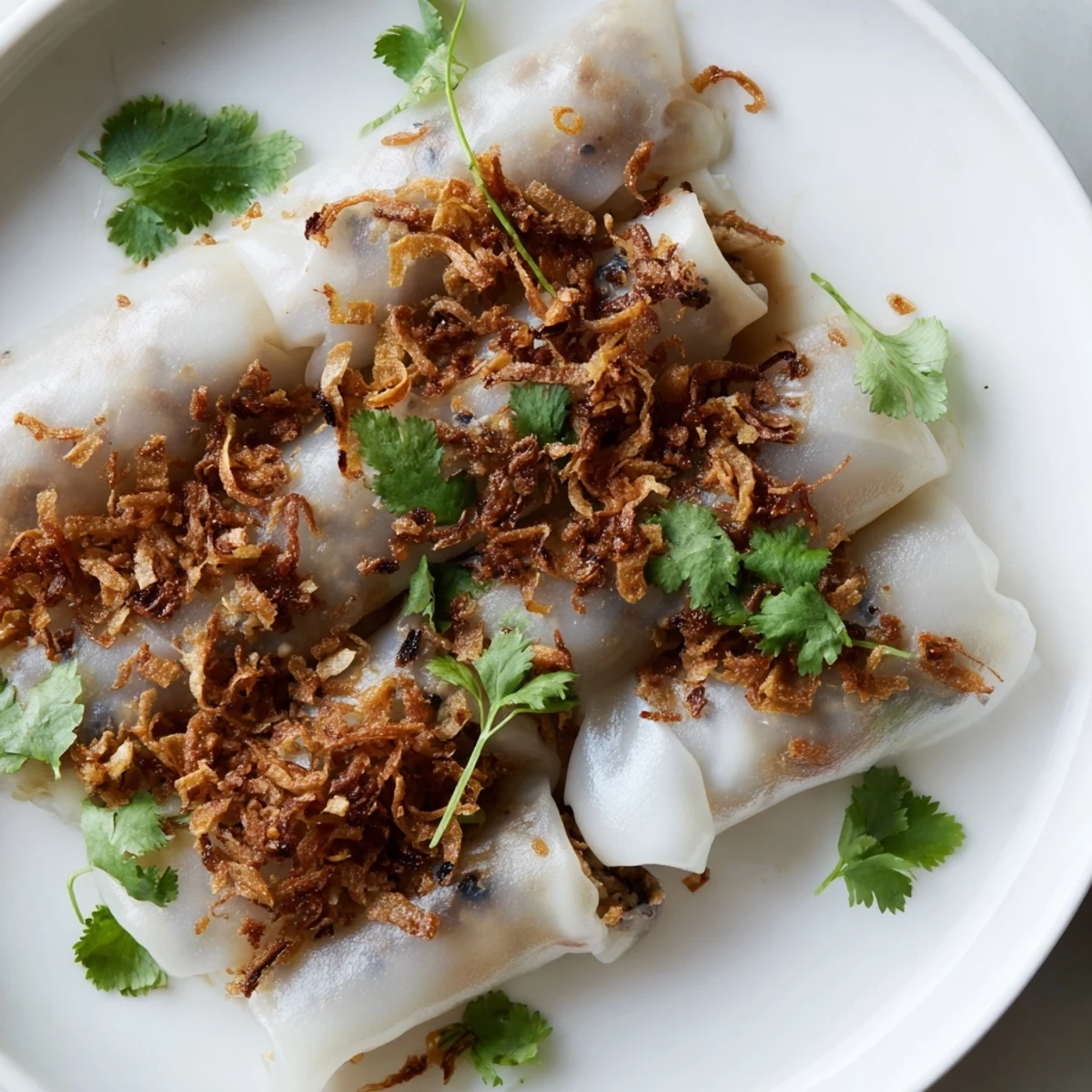
Save These delicate rice rolls represent the perfect balance of texture and flavor that makes Vietnamese cuisine so special. May your kitchen be filled with steam and the joy of creating something truly beautiful.
Recipe Q&A
- → What makes Banh Cuon different from other rice rolls?
-
Banh Cuon stands apart due to its exceptionally thin, delicate steamed rice sheets that become slightly translucent when cooked. Unlike other rice noodles, these rolls require no boiling—just a quick steam over a cloth-covered surface. The batter's unique combination of rice flour, tapioca starch, and cornstarch creates that signature silky texture while maintaining enough structure to hold the savory filling.
- → Can I make Banh Cuon without a traditional steamer setup?
-
Absolutely. While traditional Vietnamese kitchens use a wide steamer with a stretched cloth, you can achieve excellent results with a nonstick skillet and lid. Simply oil the pan lightly, pour a thin layer of batter, swirl to coat, cover, and cook for 1-2 minutes. The key is maintaining low heat and working quickly to transfer each sheet once set.
- → Why does my batter need to rest before cooking?
-
Resting the batter for at least 20 minutes allows the flour to fully hydrate and any air bubbles to dissipate. This crucial step prevents lumps and ensures ultra-smooth, delicate rice sheets. A well-rested batter produces consistent, tear-free rolls that are easier to handle during assembly.
- → How do I store and reheat leftover Banh Cuon?
-
Banh Cuon is best enjoyed immediately while the rice sheets retain their delicate texture. To store leftovers, place rolls in an airtight container with parchment paper between layers to prevent sticking. Refrigerate for up to 2 days. Reheat by steaming for 1-2 minutes—microwaving may toughen the rice sheets. Garnishes and sauce should be stored separately and added fresh before serving.
- → Can I prepare the filling ahead of time?
-
Yes, the pork and mushroom filling can be prepared up to 2 days in advance and stored refrigerated. In fact, many cooks find the flavors develop and improve after a day in the refrigerator. Simply reheat the filling gently before assembling rolls, and ensure it's not piping hot to avoid wilting the delicate rice sheets during assembly.
- → What can I substitute for wood ear mushrooms?
-
Wood ear mushrooms provide a unique crunchy texture and earthy flavor. If unavailable, shiitake mushrooms offer similar umami notes though with a softer texture. Dried black fungus or fresh button mushrooms can work, but adjust cooking time as needed. For an extra crunch, consider adding finely chopped jicama or water chestnuts along with your mushroom substitute.